
Newsletter Subscribe
Enter your email address below and subscribe to our newsletter

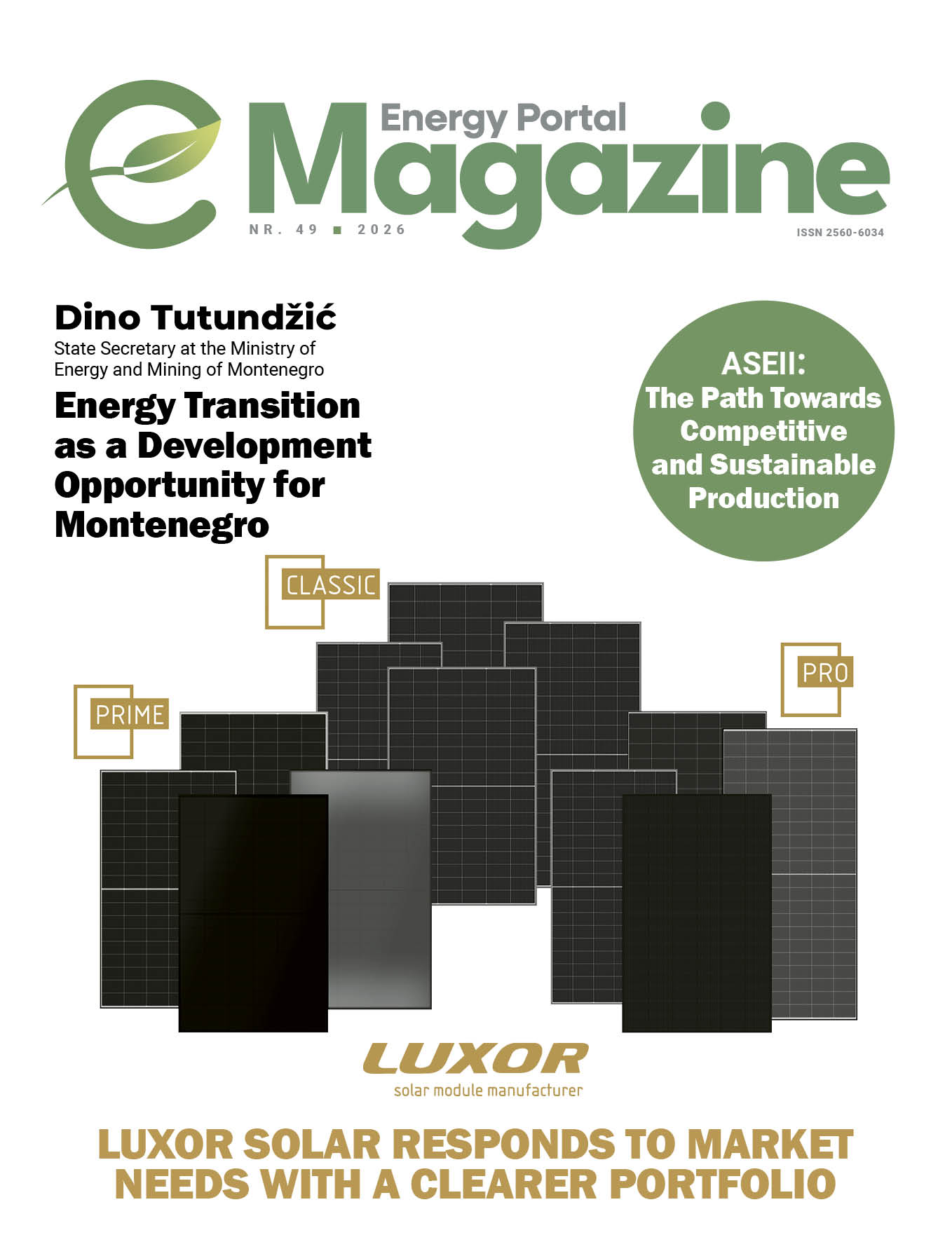
The region’s energy sector is entering a period of major change, with Western Balkan countries facing stringent requirements arising from European energy policy and the market — from reducing emissions and increasing the share of renewable energy sources to adapting market and regulatory frameworks.
To respond to these demands, companies must invest in new technologies, modernize their operations, and adapt to the changes brought about by the energy transition. We discussed changes in energy policies and institutions with Dino Tutundžić, State Secretary at the Ministry of Energy and Mining of Montenegro. Our conversation covered reforms already implemented, the challenges ahead, and the direction of Montenegro’s energy sector through 2030.
We are also witnessing how the growing share of solar and wind energy in the region is bringing new patterns of generation and consumption, as well as the need for different approaches to trading and system management. Zoran Đorđievski, CEO of the North Macedonian National Electricity Market Operator – MEMO, speaks to us about the introduction of intraday trading, negative electricity prices, and the development of the guarantees of origin market.
As the energy system changes, so do the roles of the technologies themselves. Solar panels are no longer merely a means of generating electricity, but part of a broader response to climate and economic challenges. We spoke with Igor Todorović, Regional Director for Southeast Serbia at MT-KOMEX, about how solar energy can help address the challenges posed by droughts, climate change, and growing energy uncertainty.
All these topics will also be part of the discussions at upcoming events. In this issue, we preview Energy Week Western Balkans, which we discussed with Inesa Shahnazarova, as well as this year’s SEE ENERGY, presented to us by Jelena Bunčić. Such gatherings are becoming increasingly important, as exchanging experience and connections among companies, institutions, and experts provides an opportunity to address the questions of what the region’s energy sector will look like in the years ahead.
We believe the discussions and stories in this issue will help us view the energy system’s transformation from different perspectives and better understand the direction the region is heading.
