


Fighting Drought with Sunshine: How Solar Power Plants Take Over When Rivers Run Dry
Share
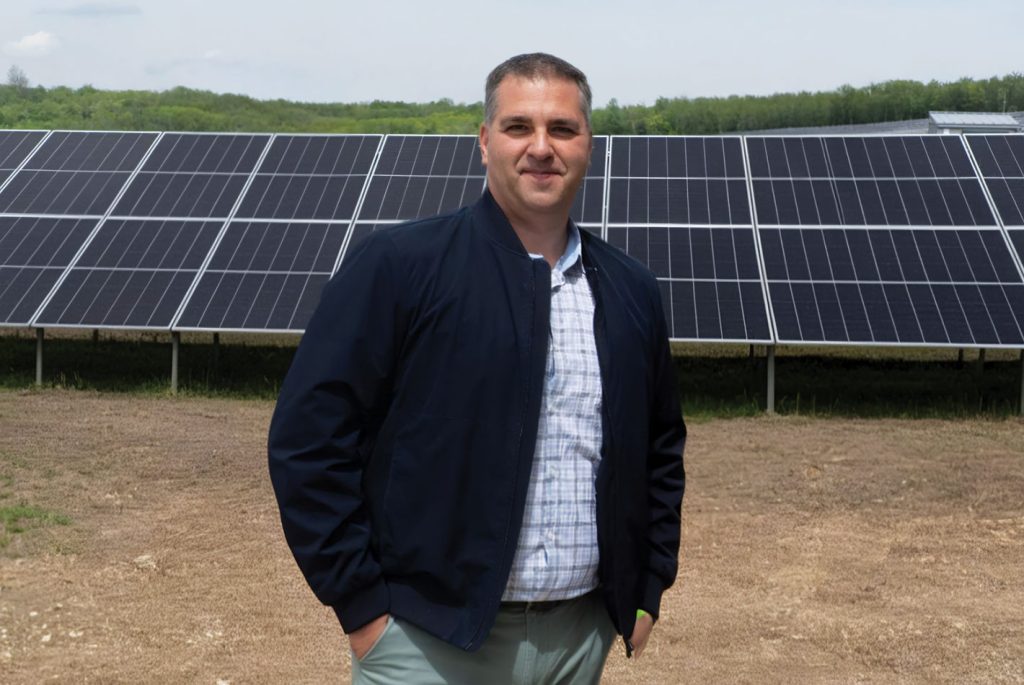
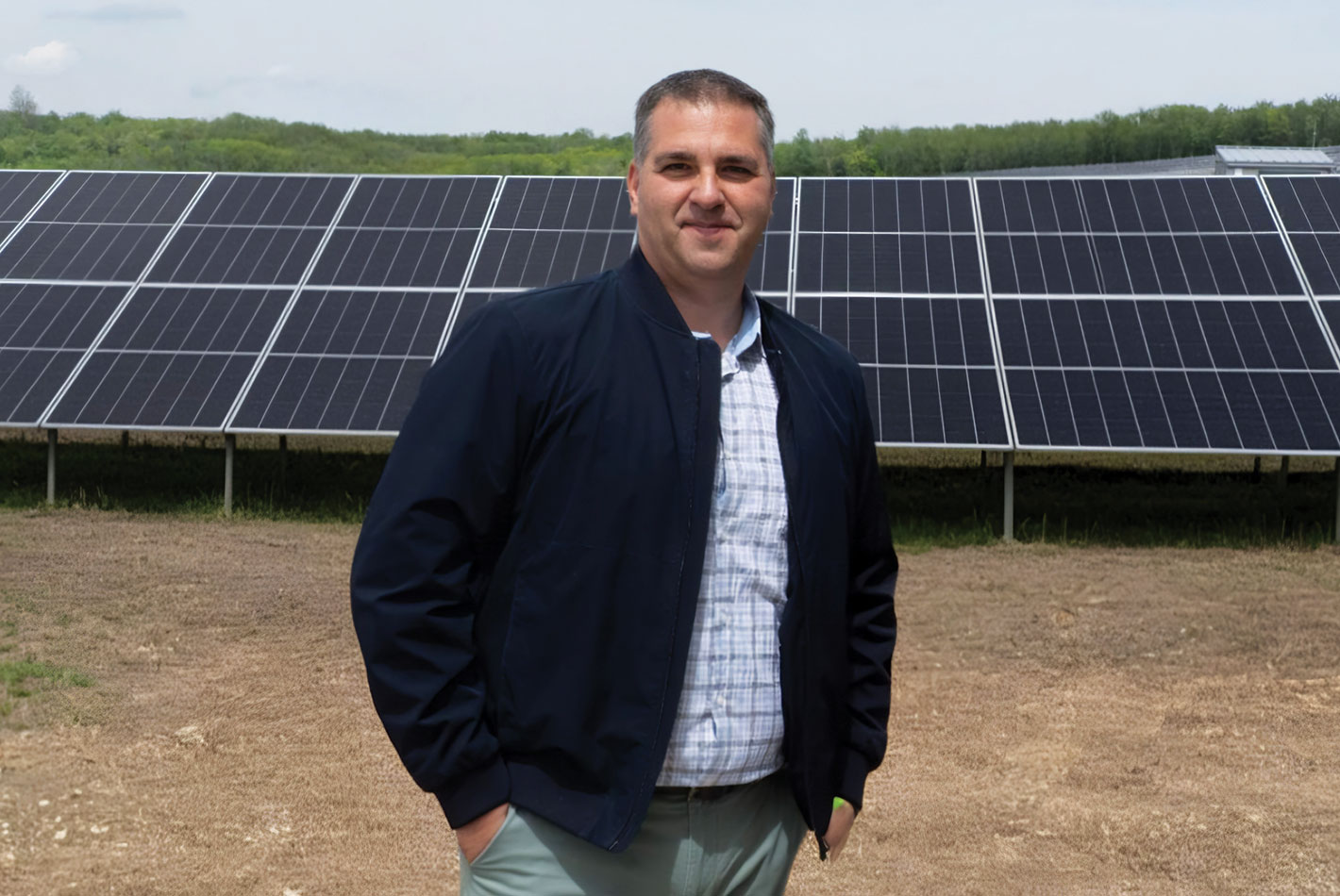
During hot summer days, energy systems face a major challenge: river levels fall, hydropower plants generate less electricity, and the cooling systems of thermal and nuclear power plants are left without sufficient water. Fortunately, one energy source has proven considerably more resilient to harsh summer conditions – solar energy. We spoke with Igor Todorović, Regional Director for Southeastern Serbia at MT-KOMEX, about why extreme heat is nevertheless not an ally of solar panels, how power plants are designed to withstand decades of heatwaves, and why southern Serbia, despite abundant sunshine, is still waiting for its solar energy sector to gain real momentum.
Q: We are increasingly facing prolonged periods of drought, when hydropower plants cannot generate sufficient electricity due to low water levels, while nuclear power plants may also face restrictions because of the availability of water for reactor cooling. How important can solar power plants be in such situations?
A: Climate change is making it increasingly clear that the energy system must be diversified and adapted to different weather conditions. During prolonged droughts, hydropower plants often see reduced output because of low water levels, while some thermal and nuclear power plants may face restrictions due to insufficient cooling water or excessively high watercourse temperatures.

Under such circumstances, solar power plants play an extremely important role. What is particularly significant is that periods of the highest solar irradiation often coincide with drought and increased electricity consumption from cooling systems. In this way, solar power plants can help stabilize the electricity system precisely when certain traditional energy sources are under the greatest pressure. It should be noted here that Serbia currently has around 235 MW of installed solar power capacity, while neighboring countries have more than 30 times as much – Romania, for example, has 8,500 MW and Bulgaria 6,800 MW. The situation in Serbia is not the result of weak interest from individual and corporate investors, but rather of the slow and complicated process of obtaining the necessary permits.
Of course, solar energy alone cannot replace all other energy sources, but it represents an important part of the energy mix that increases system resilience. Combined with battery energy storage, flexible generation capacity, and appropriate grid infrastructure, solar energy becomes a key tool for maintaining energy security under changing climate conditions.
Q: How Do Extremely High Temperatures Affect the Performance of Solar Panels?
A: It is often intuitively assumed that more sunshine and higher temperatures mean greater electricity generation, but how do solar panels actually perform when air temperatures exceed 35°C or 40°C? What temperature is most favorable for their operation, and by how much can output decrease during extremely hot days?
– This is one of the most common misconceptions when we talk about solar power plants. Solar panels generate electricity thanks to solar radiation, not high temperatures. In fact, higher panel temperatures reduce efficiency.
Standard testing conditions specify a cell temperature of 25°C. However, on summer days when air temperatures reach 35°C or 40°C, the panel temperature can exceed 60°C or even 70°C. Under these conditions, cell voltage decreases, reducing overall output.
For modern photovoltaic modules, the power temperature coefficient is most commonly between -0.3 percent and -0.4 percent per degree Celsius above the reference temperature. This means that on very hot days, instantaneous power output can be 10 to 15 percent lower compared with ideal temperature conditions.
On the other hand, solar radiation remains high precisely on such days, meaning that total daily output remains significant. Therefore, we can say that solar power plants still achieve very good results during the summer, but not because of high temperatures – rather, because of the intensity of solar radiation.
IN FOCUS:
Q: When designing a solar power plant for an area that will increasingly be exposed to heatwaves, which parameters do you pay particular attention to? Does the design of solar power plants today differ from the way they were designed when extreme temperatures were not as frequent?
A: Yes, the design approach today differs significantly from that of ten or fifteen years ago. Climate data used for site analysis no longer rely solely on historical averages, but also include assessments of increasingly frequent extreme weather events.
When designing a plant, we pay particular attention to the site’s temperature profiles, selecting modules with more favorable temperature coefficients, spacing rows of panels appropriately, and ensuring good natural ventilation to support cooling.
In addition, we carefully size inverters, substations, cable systems, and other equipment whose operation may be sensitive to high temperatures. We also analyze scenarios involving prolonged heatwaves to ensure the power plant maintains its planned performance throughout its service life.
In other words, climate resilience has become an important criterion in modern energy facility design.
Q: An increasing number of large-scale solar power plants are being combined with battery energy storage systems (BESS). How do battery systems perform during prolonged periods of high temperatures, and how much can heat affect their performance, available capacity, and service life?
A: Battery energy storage systems represent a key technology for the further development of renewable energy sources, but at the same time, they are highly sensitive to operating temperature conditions.
High temperatures can temporarily increase electrochemical activity in battery cells, but in the long term they accelerate aging and degradation. If batteries operate for extended periods at temperatures significantly above their designed operating values, this can lead to reduced available capacity, faster performance degradation, and a shortened system lifespan.
For this reason, modern BESS systems are equipped with advanced management and active cooling systems that maintain temperatures within the optimal operating range. In large-scale projects today, considerable attention is paid specifically to thermal management, as it directly affects the economic viability and long-term reliability of the investment.
We can say that a battery system’s successful operation during periods of extreme heat largely depends on design quality, the cooling system, and battery management.
Q: Southern Serbia is among the sunniest parts of the country. From a designer’s perspective, what is the potential of southern Serbia for the development of large-scale solar power plants, and what are the main advantages and limitations of the area today?

A: Southern Serbia is certainly one of the most promising areas for the development of large-scale solar power plants. The region benefits from much higher solar radiation than most of the country, which directly contributes to higher annual electricity generation and better project economics.
Solar power plant development in southern Serbia also faces certain limitations. This part of the country is characterized by a high degree of land fragmentation, which often represents a significant challenge during the early stages of project development. Acquiring or consolidating land can be lengthy and administratively demanding, particularly when property and legal matters must be resolved with many owners. In addition, obtaining the necessary documentation and meeting all regulatory requirements often requires additional time and resources. Nevertheless, with thorough project preparation and good cooperation with local communities, these challenges can be overcome, and they do not change the fact that southern Serbia is one of the most promising areas for solar energy development in the region.
However, the biggest challenges today are not primarily related to project development and construction, but rather to the possibilities for connection to the electricity grid. As in many European countries, the development of renewable energy sources increasingly depends on grid capacity, the ability to balance the system, and how quickly necessary infrastructure investments can be implemented.
That is why future development will depend not only on the number of new solar power plants, but also on the parallel development of the transmission and distribution grids, as well as energy storage systems.
Interview by Milena Maglovski
The interview was published in Energy portal Magazine SUSTAINABLE ARCHITECTURE