

Newsletter Subscribe
Enter your email address below and subscribe to our newsletter

Bacardi, the world’s largest privately-owned spirits company, and Lonely Whale, the innovative oceans nonprofit helping Alaska Airlines reduce plastic use, have teamed up with the goal of removing one billion plastic straws from circulation by 2020. The pair announced their…
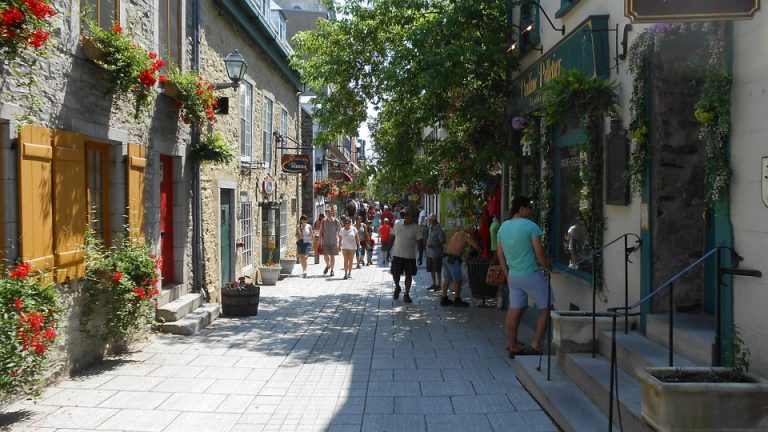
The death toll in Quebec’s heat wave last week may have reached as many as 70, officials said Tuesday, as temperatures exceeded 100 degrees F. Thirty-four of those deaths were in Montreal, where temperatures soared 20 degrees above normal and…
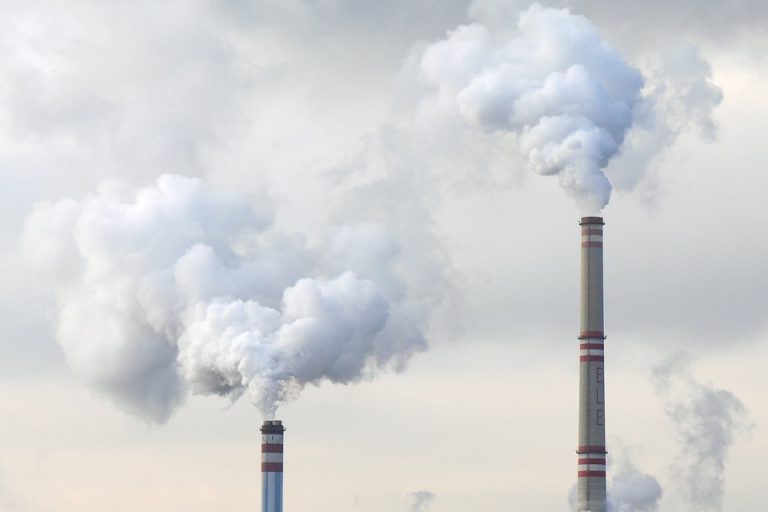
The Republic of Ireland will become the world’s first country to sell off its investments in fossil fuel companies, after a bill was passed with all-party support in the lower house of parliament. The state’s €8bn national investment fund will…
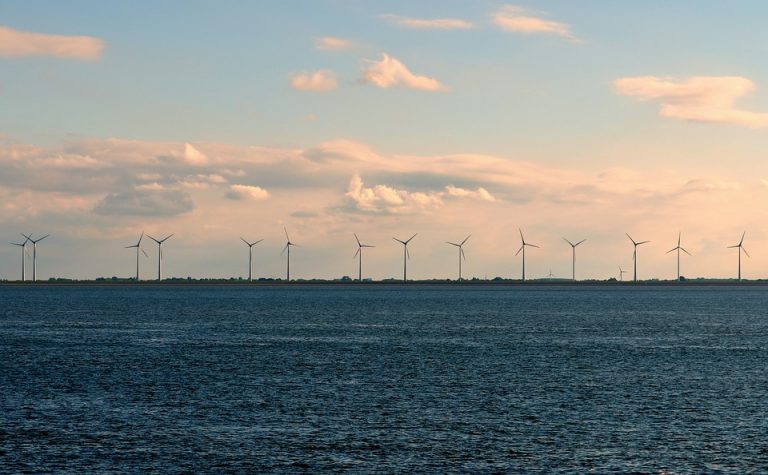
New York State has announced a plan to procure around 800MW of offshore wind power by 2019. Governor Andrew M. Cuomo said the move would support its goals of owning 2,400MW of new offshore wind generation by 2030, enough to…

The UK’s historic churches are at serious risk from the impact of climate change, including higher levels of rainfall and invasive pests such as termites, according to the National Churches Trust. Roofs, towers and spires are threatened by strong winds…
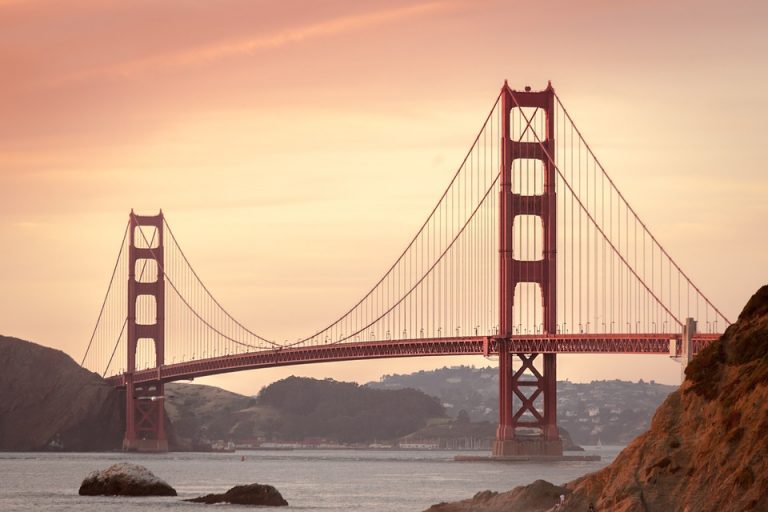
Ocean waters are rising because of global warming. They are rising for two reasons. First, and perhaps most obvious, ice is melting. There is a tremendous amount of ice locked away in Greenland, Antarctica, and in glaciers. As the world…
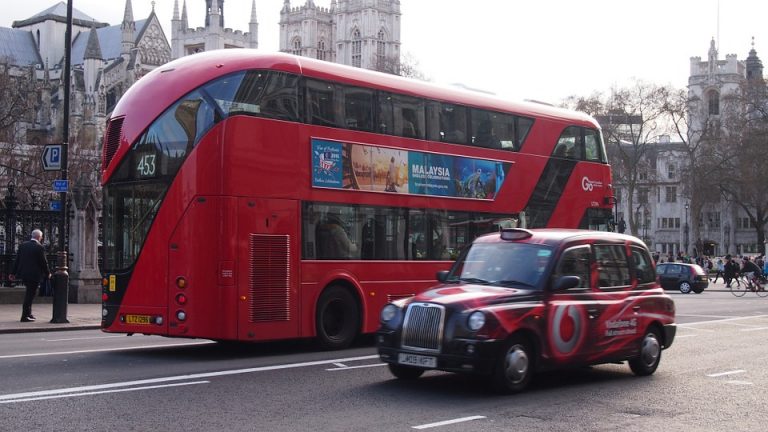
The majority of Londoners say they would choose to get into an electric taxi over a traditional diesel model. That’s according to new research from ESB EV Solutions, which found 50% of the public would actively choose to ride in…