Newsletter Subscribe
Enter your email address below and subscribe to our newsletter
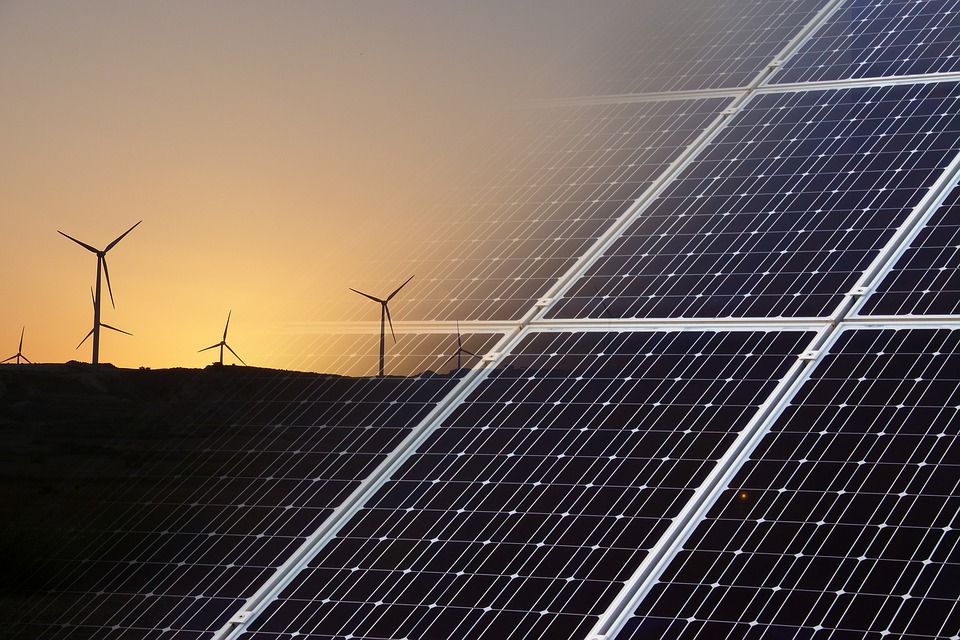
Did you know that in the Western Balkans, carbon intensity is more than five times higher than in the EU, and that most households still rely on coal, oil, or even traditional firewood for heating? This dependence not only makes the region one of the most carbon-intensive in Europe, but also increases vulnerability to energy poverty, health risks, and economic instability. To tackle this, the Green Agenda for the Western Balkans, launched in 2020, set a clear direction: cut CO₂ emissions, reduce fossil fuel dependence, and move towards renewable energy. But there is a catch – without skilled workers and modern education systems, this transition cannot succeed.
This is where the RESET – Renewable Energy Services in Education and Training project comes in. Implemented by the Education Reform Initiative of South Eastern Europe (ERI SEE), with the support of the Deutsche Gesellschaft für Internationale Zusammenarbeit (GIZ) and commissioned by the German Federal Ministry for Economic Cooperation and Development (BMZ) under the Regional Climate Partnership framework, RESET served as the education and skills dimension of the broader regional project Green Agenda: Decarbonisation of the Electricity Sector in the Western Balkans.
While the Green Agenda for WB set the overall direction and long-term goals of the energy transition, RESET project focused on making these ambitions tangible in the vocational education and training sector. By developing teaching materials, strengthening vocational education and training (VET) systems, and supporting schools, teachers, and learners, RESET project helped ensure that the transition to renewable energy is not only about new technologies and infrastructure, but also about people and the skills that will shape the region’s energy future.
Over two years (2023–2025), RESET project team worked across six Western Balkan economies – Albania, Bosnia and Herzegovina, Kosovo*, Montenegro, North Macedonia, and Serbia – and delivered concrete, lasting results:
From its start in Budva in November 2023 to the final Action Plan in September 2025, RESET has shown what regional cooperation can achieve: new teaching and learning tools, joint set of proposed actions, and stronger bridges between schools and the labour market.
But the story does not end here. The sustainability of the RESET project depends on how its results are carried forward: by teachers who bring renewable energy into classrooms, by students who turn new skills into future careers, and by policymakers who create the frameworks that will support the workforce of tomorrow.
The next step is to build on the foundation laid. That means staying connected across the region, encouraging stronger partnerships between schools, businesses, and governments, ensuring that funding continues to support green education, and keeping the transition inclusive so that no one is left behind.
With these steps, the Western Balkans can move faster towards a clean, competitive, and fair energy future and everyone has a role to play in that journey.
Find out more about the project and its results on the project page.
Source: ERI SEE
* This designation is without prejudice to positions on status and is in line with UNCSCR 1244 and the ICJ Opinion on the Kosovo* declaration of independence.