
Newsletter Subscribe
Enter your email address below and subscribe to our newsletter

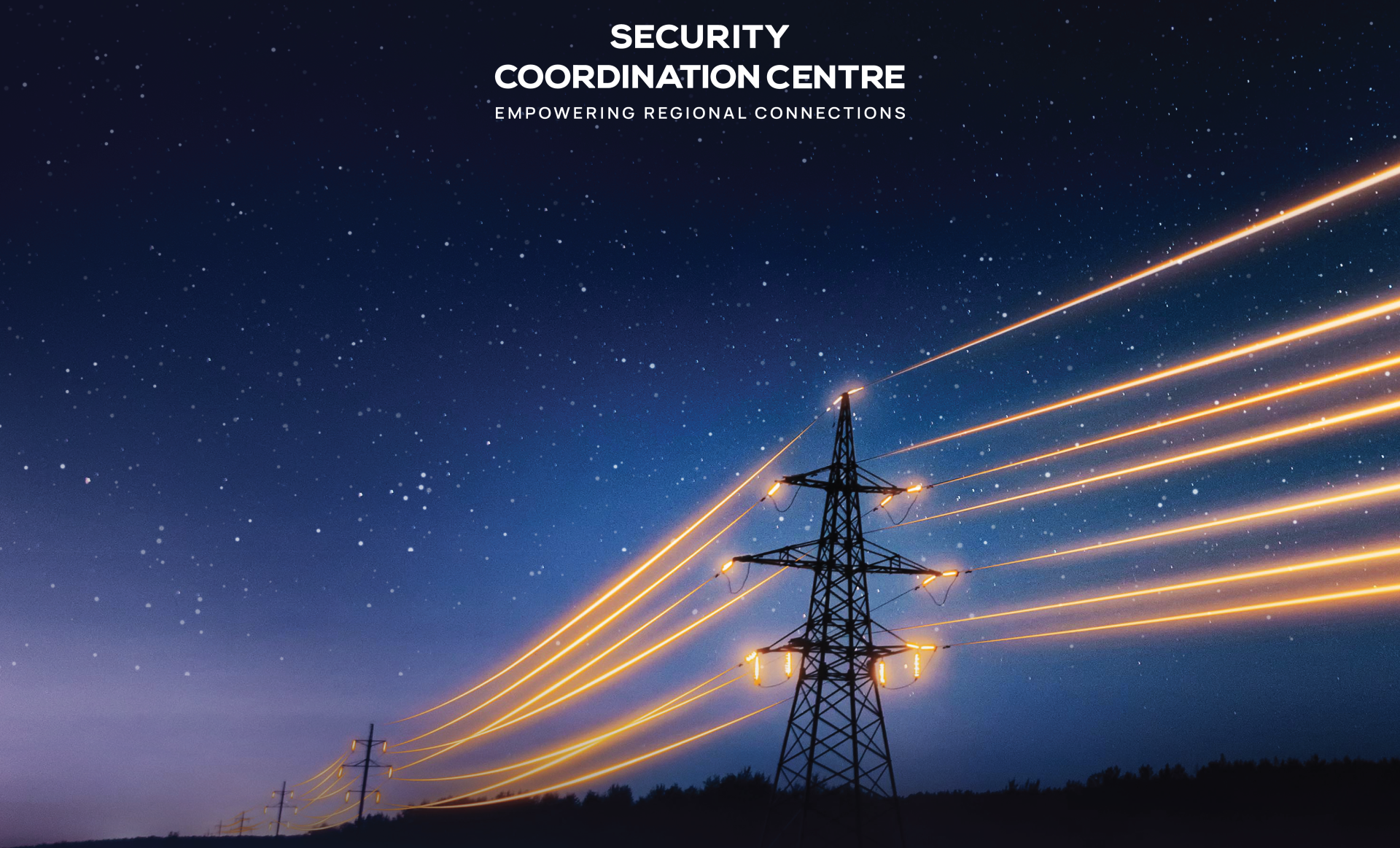
As energy systems develop rapidly and their interdependence becomes increasingly complex, network stability takes on strategic importance. In this game of precise coordination and technical reliability, regional coordination centers play a key role. One of them, SCC – Security Coordination Centre SCC Belgrade, has been connecting transmission system operators from several South-East European countries for ten years, contributing to the safe and efficient operation of the network.
We spoke with Luka Okuka, Director of SCC, about how this centre operates, its daily responsibilities, and why coordination between countries is crucial for a stable electricity supply.
Q: Mr Okuka, to begin with, could you briefly introduce SCC Belgrade? Who are your founders, and where precisely do you position yourselves in the power sector?
A: SCC – Security Coordination Centre Belgrade is a regional centre for security coordination in power systems, founded in 2015. It was established as an initiative by transmission system operators from the region, following the practice of developed European countries, to set up a joint centre that would contribute to greater security and efficiency in the operation of the transmission network. Our primary role is to ensure, through daily work and analyses, the stable and coordinated operation of transmission systems in the region, in line with the standards of the European Network of Transmission System Operators for Electricity (ENTSO-E).
SCC is the result of a shared commitment by regional transmission system operators to pool their knowledge, tools, and resources to ensure reliability and interoperability of systems in an increasingly complex energy environment.
The founders of the company are EMS from Serbia, CGES from Montenegro, and NOSBiH from Bosnia and Herzegovina – operators who recognized the need for a regional approach and coordinated security. Over the years, SCC has expanded its range of services, with OST from Albania, MEPSO from North Macedonia, and TEIAS from Turkey joining as service users, further strengthening the centre’s regional significance as well as its technical capacity.
Today, with ten years of successful operation behind it, SCC is recognized as one of six European Regional Coordination Centers (RCCs), in line with the European Union’s legislative framework and ENTSO-E standards. Our role is to provide technical and operational support to transmission system operators through security analyses, risk assessments, coordination of planned works, and other key activities that contribute to the stable and safe operation of the power system – both at the regional level and within the European framework.
Q: What are the specific responsibilities and daily activities of SCC?
A: SCC has clearly defined responsibilities arising from the European regulatory framework, and our main role is to provide operational and technical support to transmission system operators to maintain the safety, stability, and efficiency of the power system.
Specifically, SCC’s responsibilities cover the following areas:
Our activities are highly technical and require expert teams, sophisticated software, and constant real-time communication with TSOs and RCCs. It is precisely SCC’s position, situated between operational planning and real-time decision-making, that makes us a key element in the security of the South-East European power system.
Q: How would you explain the difference between the role of SCC, the transmission system operators (TSO), and the power exchanges? Where exactly does your role fit within this network of actors?
A: In the power system, each institution has a clearly defined role: the transmission system operators (TSOs), the power exchanges, and the regional coordination centers, such as SCC. Our role lies precisely at the intersection of technical coordination and support for the safe operation of the system, both in the regional and European contexts.
Here is how these roles differ:
Our position is neutral, technical, and coordinative, and it is precisely in this role that we enable the safe operation of the entire system, support the energy market, and facilitate cooperation between different actors.
Interview by Milena Maglovski
The interview was published in Energy portal Magazine CLIMATE CHANGE