


Newsletter Subscribe
Enter your email address below and subscribe to our newsletter


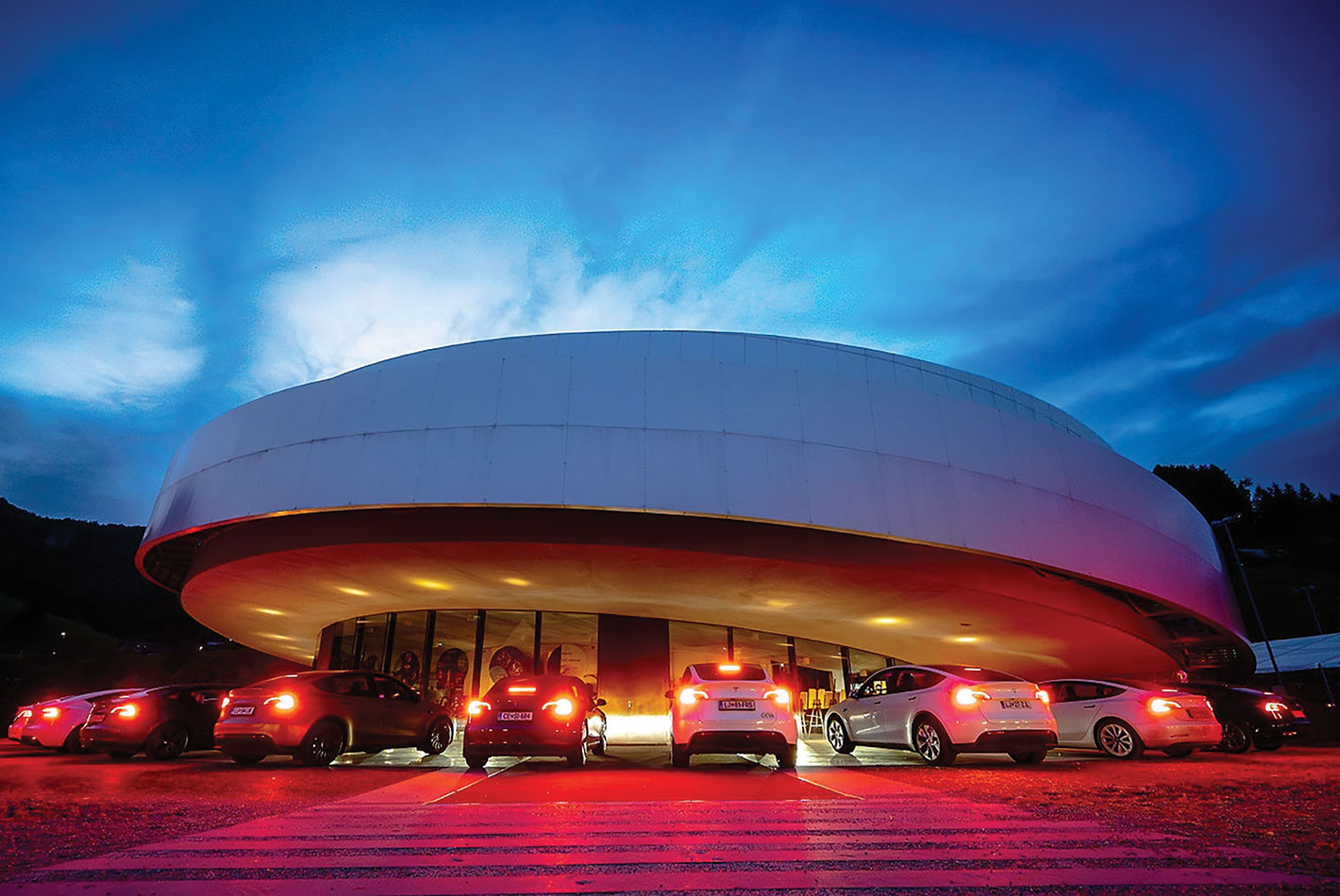
E-mobility in Slovenia has recorded strong growth in recent years, but the key questions today are no longer related solely to the number of vehicles on the road. The focus has shifted to infrastructure quality, user experience, and public trust in the system. While statistics indicate progress, everyday practice reveals challenges that will determine the pace of future transition. Issues such as public and home charging, price transparency, and service accessibility for all users stand out in particular. At the same time, sustainable mobility involves much more than electrification alone. To better understand where Slovenia stands today and what is needed for the next step, we spoke with Ignac Završnik, President of the e-Mobility Slovenia Association (DeMS).
Q: How would you describe the current state of e-mobility in Slovenia, and how much progress has been made in recent years?
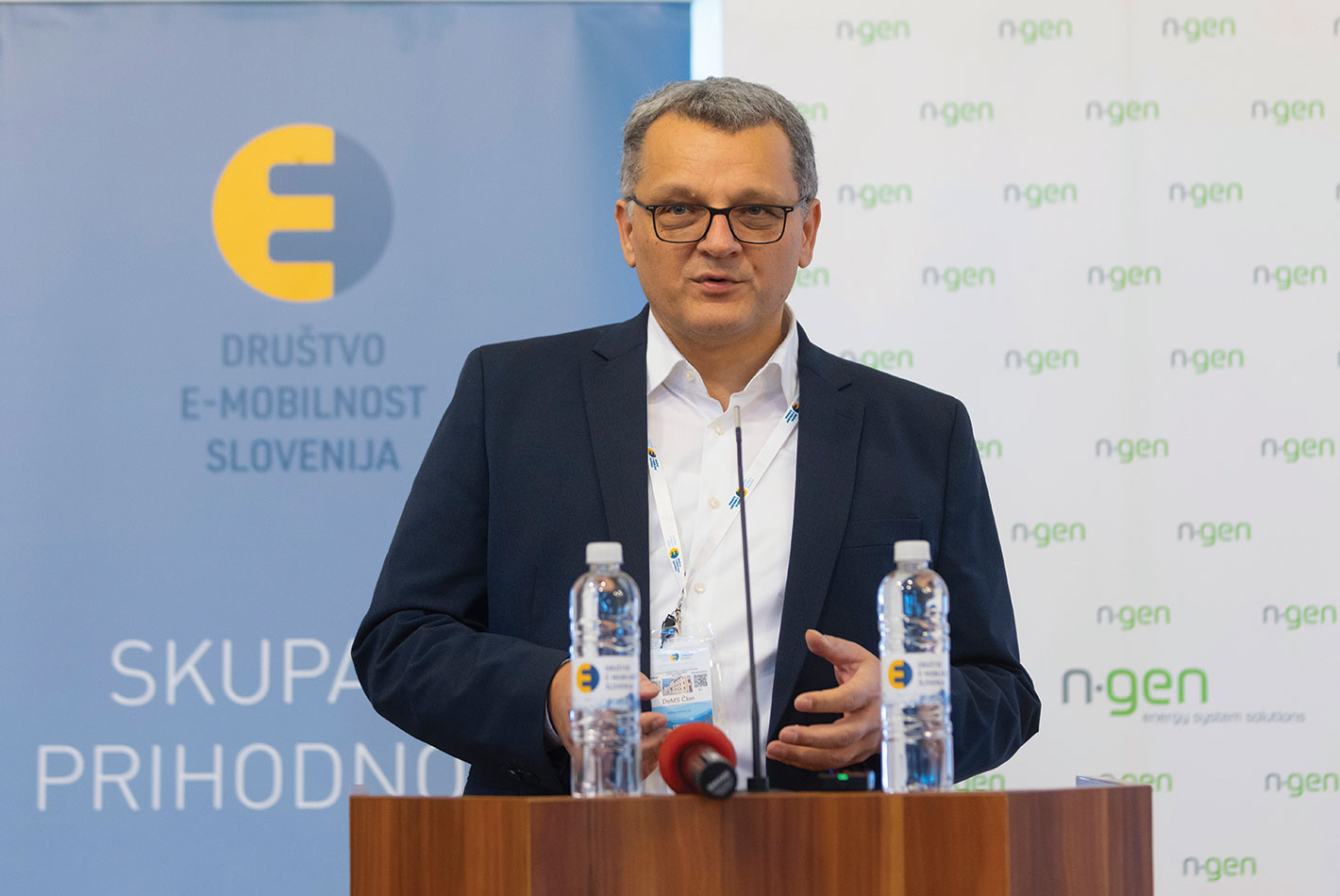
A: In recent years, e-mobility in Slovenia has made a very noticeable step forward. Until recently, it was primarily a topic for enthusiasts, companies, and early adopters, but today it is becoming part of the broader automotive market and everyday mobility. According to data reported by DeMS, 6,419 new battery electric vehicles were registered in Slovenia in 2025, representing more than 100 percent growth compared to the previous year. The share of fully electric vehicles among new registrations reached around 11.2 percent. This is significant progress, although Slovenia still remains below the European Union average.
Developments in 2026 are also very encouraging. In March, for the first time in history, the best-selling car in Slovenia was electric. The Tesla Model 3 ranked first with 352 registrations, ahead of the Nissan Qashqai with 241 and the Škoda Octavia with 199 registrations. In the same month, a total of 6,535 new passenger cars were registered in Slovenia, which is 23.7 percent more than in March last year, while fully electric vehicles accounted for 1,162 units, representing an impressive 242 percent increase compared to March 2025. This is no longer a glimpse of the future, but a clear signal that electric mobility has become part of the present of the Slovenian automotive market.
Q: What are the biggest challenges today when it comes to sustainable mobility in Slovenia?
A: The biggest challenge today is no longer whether electric vehicles work, but whether the entire ecosystem functions well enough for people to trust it. Users still face uncertainty regarding public charging, different activation methods, unclear pricing, and inconsistent user experiences. A particular challenge remains home charging in multi-apartment buildings, as this is where it will be decided whether e-mobility will be accessible to the wider population or primarily to those living in houses. DeMS has long emphasized that the next phase of development must focus on reliability, transparency, and inclusive accessibility—not just on growth in numbers.
Sustainable mobility, of course, is not only about the powertrain. It also involves integrating public transport, cycling, walking, car sharing, and better spatial planning. Electrification of passenger transport is an important part of the transition, but it cannot be the only solution. Therefore, measures must be broader—across energy, transport, and social dimensions.
Q: Within public policies, what role do the principles of sustainable mobility play in the strategic planning of transport in Slovenia, and what changes do you expect in the coming years?
A: At the level of strategies and public documents, the principles of sustainable mobility are already strongly present. In practice, however, what will be decisive in the coming years is how successfully they are translated into implementation. Slovenia will need to connect transport policy, energy, spatial planning, and housing policy more systematically. DeMS particularly emphasizes that the development of charging infrastructure must not be viewed solely as a technical issue, but as part of a broader public interest and the overall quality of mobility.
A stronger focus can be expected on requirements stemming from European public charging regulations, especially regarding simpler payment methods, better user information, and greater network reliability. It will also be necessary to develop effective charging solutions for residential buildings, as without them, the transition will not be sufficiently widespread. The key shift in the coming period will be moving from promotion to systemic regulation.
Q: How does DeMS contribute through its activities and projects to the promotion of e-mobility and raising awareness of sustainable transport in Slovenia?
A: DeMS contributes primarily through very concrete on-the-ground work, public information, and by creating space for professional discussion. Particularly important is the multi-year evaluation of public charging infrastructure, through which the association monitors real user experience at charging locations across Slovenia. During 2024, the team visited 56 locations, and a year later, 81 locations, with more than 200 hours of fieldwork. In cooperation with the Slovenian Consumers Association and with the participation of ministry representatives, DeMS helped develop a methodology to evaluate not only technical functionality but also user accessibility, transparency, and availability.
In addition, the association organizes events such as “Connecting e-Slovenia,” publishes market analyses, vehicle tests, and content on infrastructure, legislation, and practical user challenges. In this way, it acts as a bridge between users, industry, policymakers, and the wider public. This is crucial, as in practice, e-mobility expands not only through vehicle sales but also through trust, knowledge, and the sense that the system works.
Q: According to a recent analysis of ultra-fast chargers in Slovenia, nearly 35 percent of DC chargers fall into the ultra-fast category. How does this affect the perception of electric vehicles and the overall development of the network?
A: This is a very encouraging figure. According to DeMS analysis, Slovenia has 231 ultra-fast charging points across 44 locations, representing about 34.9 percent of all DC chargers. This means the network is developing toward fast, transit charging, which significantly improves the sense of security during longer trips and reduces hesitation when purchasing an electric vehicle.
However, the share of ultra-fast chargers alone is not sufficient. For users, the most important factor is not just how powerful a charger is “on paper,” but whether it works, whether it is available, clearly marked, easy to pay for, and priced transparently. This is why DeMS emphasizes that infrastructure growth must be accompanied by improvements in the overall quality of service. When these two aspects are aligned, the perception of electric vehicles will become even more positive.
Interview by Jasna Dragojević
Read the whole interview in Energy portal Magazine ECOMOBILITY