


Newsletter Subscribe
Enter your email address below and subscribe to our newsletter
Enter your email address below and subscribe to our newsletter


As the world turns to electric vehicles to cut greenhouse gas emissions, a finnish study reveals a surprising paradox: EV owners fave a larger carbon footprint than the average consumer. How is that possible? Electric vehicles (EVs) are presented as…
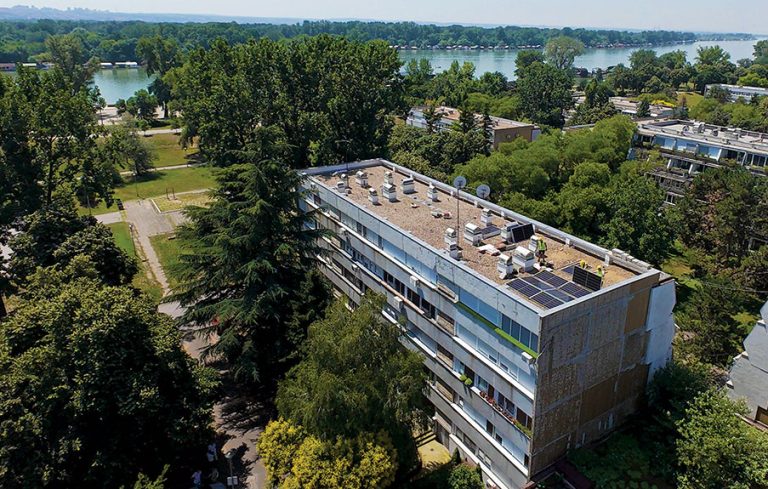
The energy transition, which involves shifting from fossil fuels to clean and renewable energy sources, entails the democratization and decentralization of electricity production and consumption. Residential buildings, especially in larger cities where they comprise most of the housing facilities, play…
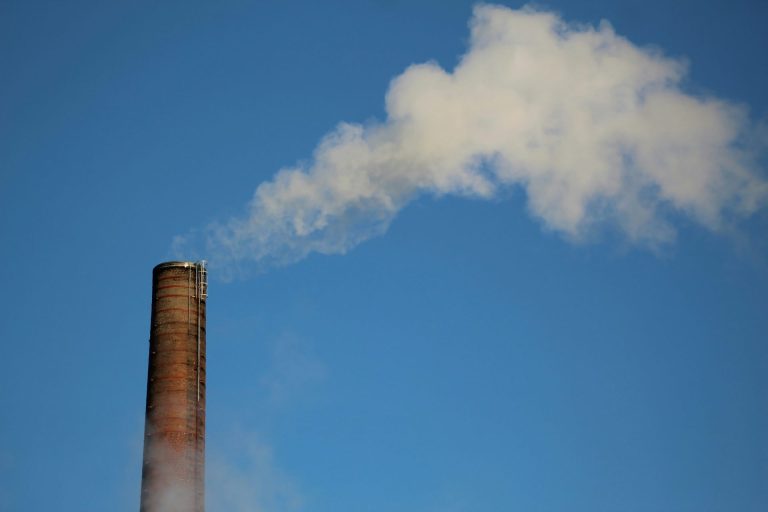
The UK government has announced investments of nearly £22 billion to develop carbon capture and storage (CCS) projects aimed at reducing carbon dioxide (CO₂) emissions from industrial sources, supporting economic growth, and creating new jobs over the next two and…

Cities, as major centers of population growth and dynamic urban development, often stand out as particularly vulnerable areas to the impacts of climate change. In this regard, Podgorica, the capital where nearly a third of Montenegro’s population resides and which,…
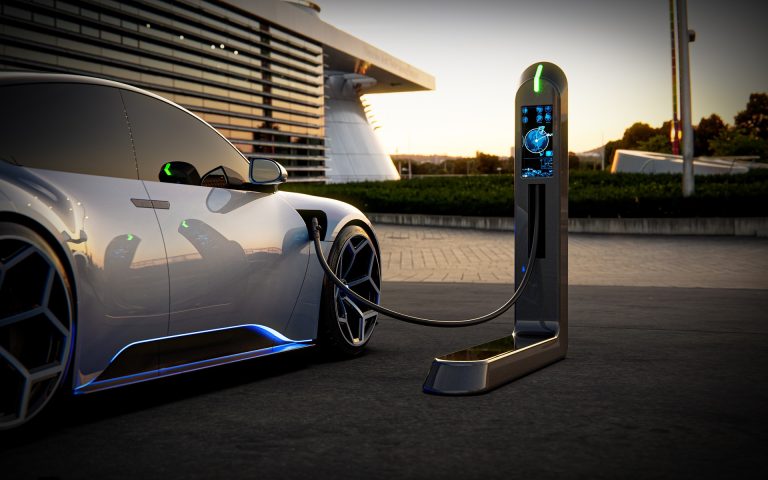
1. Why is it important for the climate, the economy and jobs in Europe? Economy and jobs Maintaining the ambition of the EU car CO2 standards, including the 2035 100 percent zero emission target is crucial for providing carmakers and…

Forming a unified European energy market is crucial for the Energy Community (EC), which includes European Union members and nine other signatory countries. Although significant progress has been made over the past two years, there are still considerable obstacles. The…
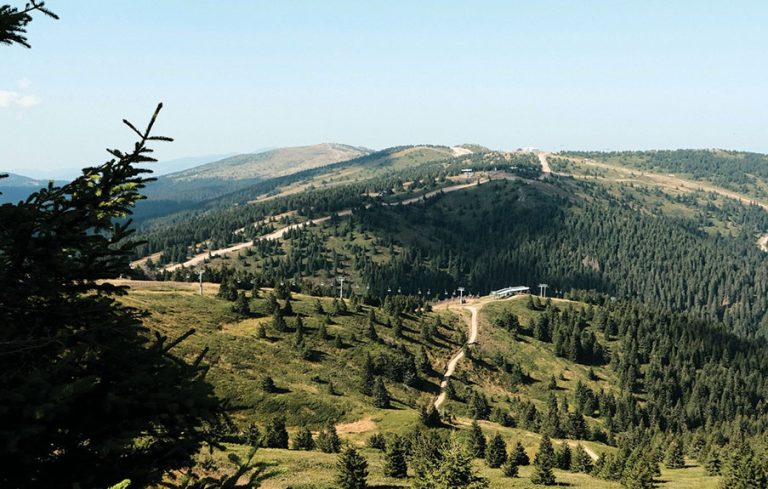
The Integrated National Energy and Climate Plan (INECP) of the Republic of Serbia is a key strategic document that defines ambitious yet achievable goals for the country’s energy transition. This plan is designed to guide Serbia toward a sustainable energy…