

Newsletter Subscribe
Enter your email address below and subscribe to our newsletter

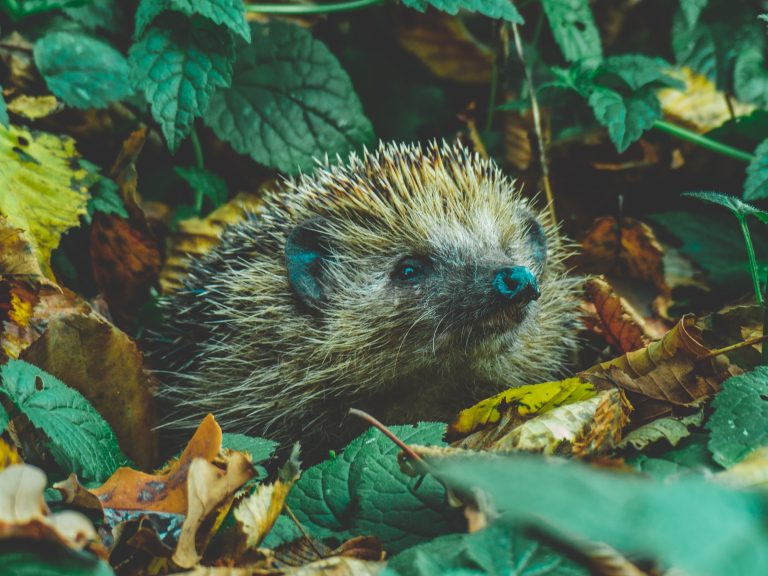
Populations of the UK’s most important wildlife have plummeted by an average of 60% since 1970, according to the most comprehensive analysis to date. The State of Nature report also found that the area inhabited by officially designated “priority species”…
Circular material use can minimise waste and resource extraction, improve resource efficiency, reduce greenhouse gas emissions, and contribute to conserving biodiversity. However, according to a European Environment Agency (EEA) report, published today, circular economy initiatives in Europe are still at…
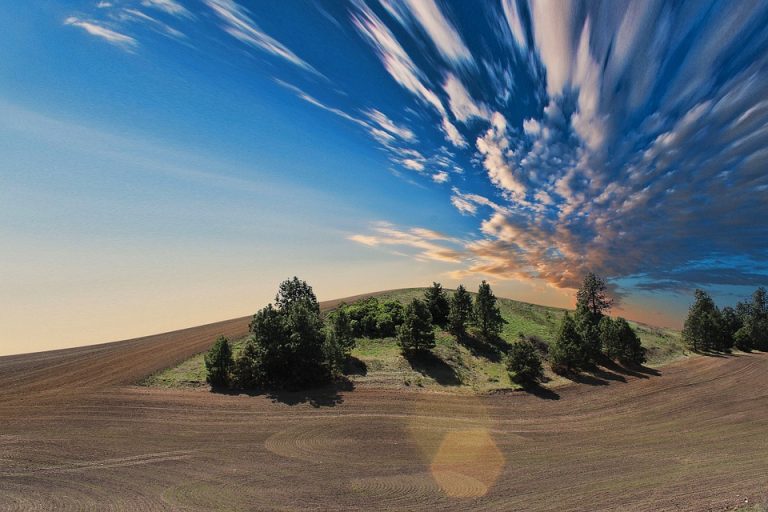
Land and soil underpin life on our planet. The way we currently use these vital and finite resources in Europe is not sustainable. Human activities — growing cities and infrastructure networks, intensive agriculture, pollutants and greenhouse gases released to the…
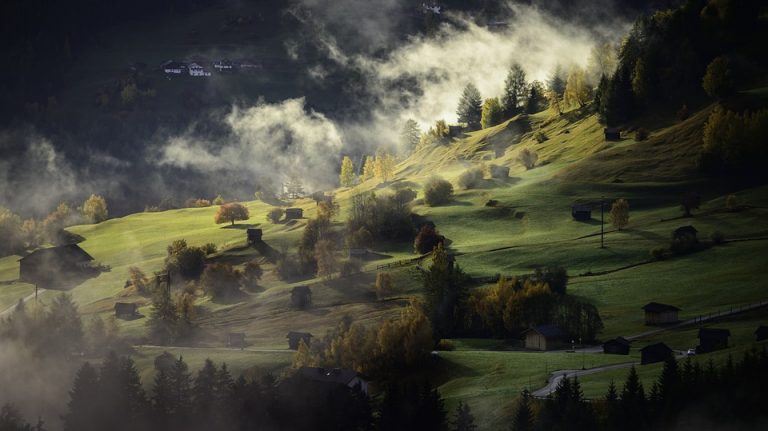
More than half of Europe’s endemic trees are threatened with extinction as invasive diseases, pests, pollution and urban development take a growing toll on the landscape, according to a study. Ash, elm and rowan trees are among those in decline,…

More than 7.7m hectares of habitat have been cleared since the introduction of Australia’s national environment act, according to new research that finds 93% of land cleared was not referred to the federal government for assessment. The study, led by…

The Trump administration is scaling back the US government’s latitude to protect species nearing extinction, as world scientists warn that a biodiversity crisis will soon put humanity at risk. More than 1,600 species are considered officially at risk in the…
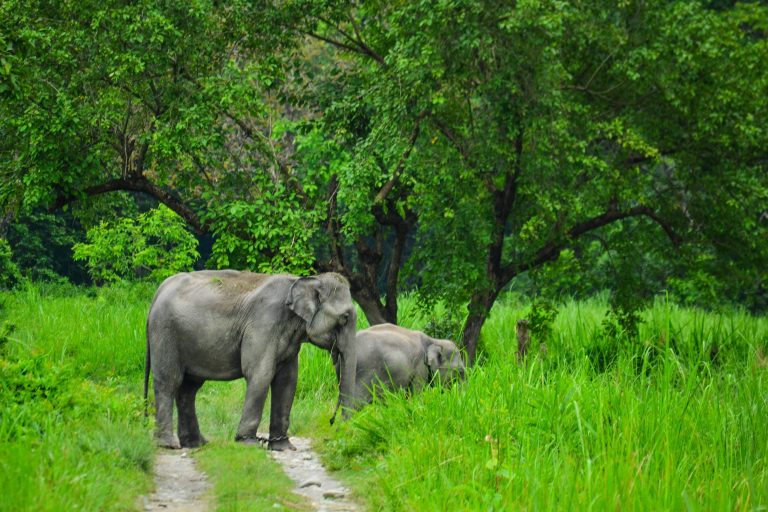
Forest elephant extinction would exacerbate climate change. That’s according to a new study in Nature Geoscience which links feeding by elephants with an increase in the amount of carbon that forests are able to store. The bad news is that…