Newsletter Subscribe
Enter your email address below and subscribe to our newsletter

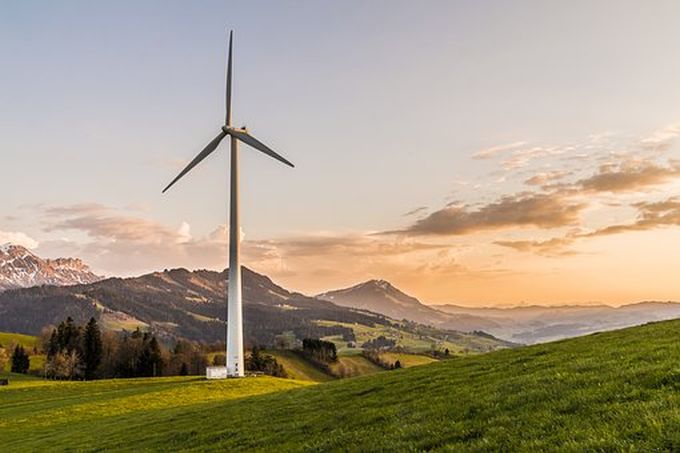
Wind turbines have increased in size and quantity to meet clean energy capacity demands Modern wind power converts the kinetic (movement) energy from wind into mechanical energy. This happens through the turning of large fiberglass blades, which then spin a…
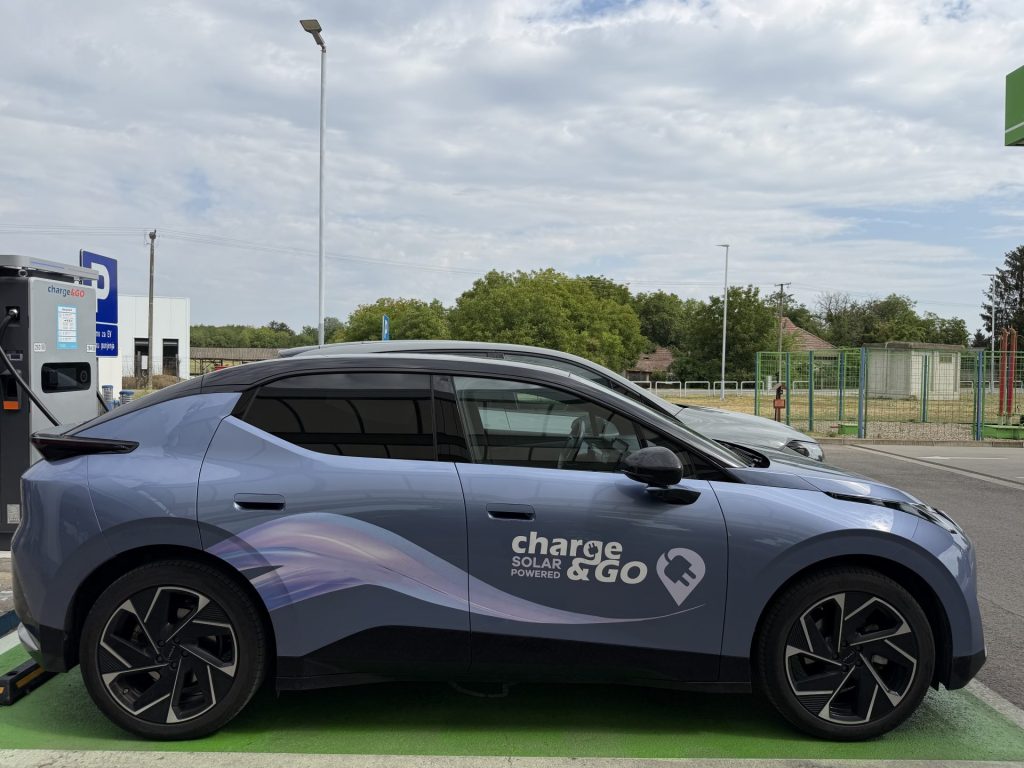
As I wrote earlier today, New Jersey has a legal requirement to cut its greenhouse gas emissions 80 percentage by 2050, based on 2006 levels. Its biggest source of emissions is transportation, accounting for more than 40 percentage of the state’s…
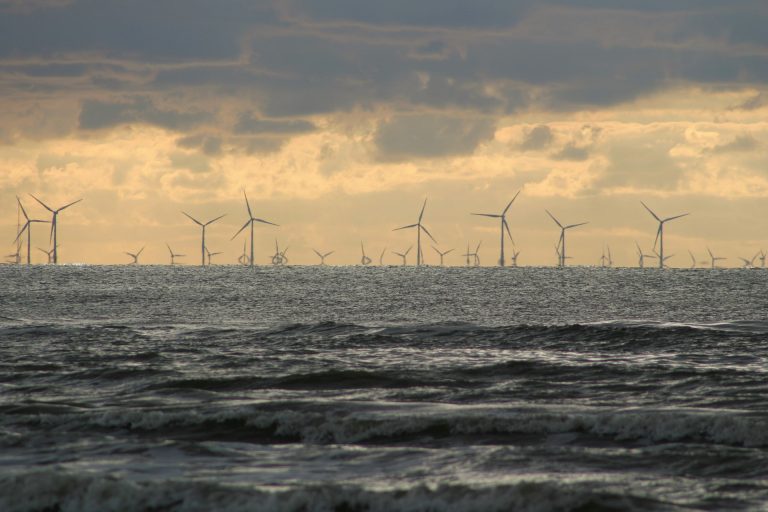
Offshore renewables, including offshore wind, wave, tidal, ocean thermal, and floating solar PV, will witness substantial growth in capacity over the next decade and play an essential role in the global energy transformation. In this context, representatives from 40 countries…
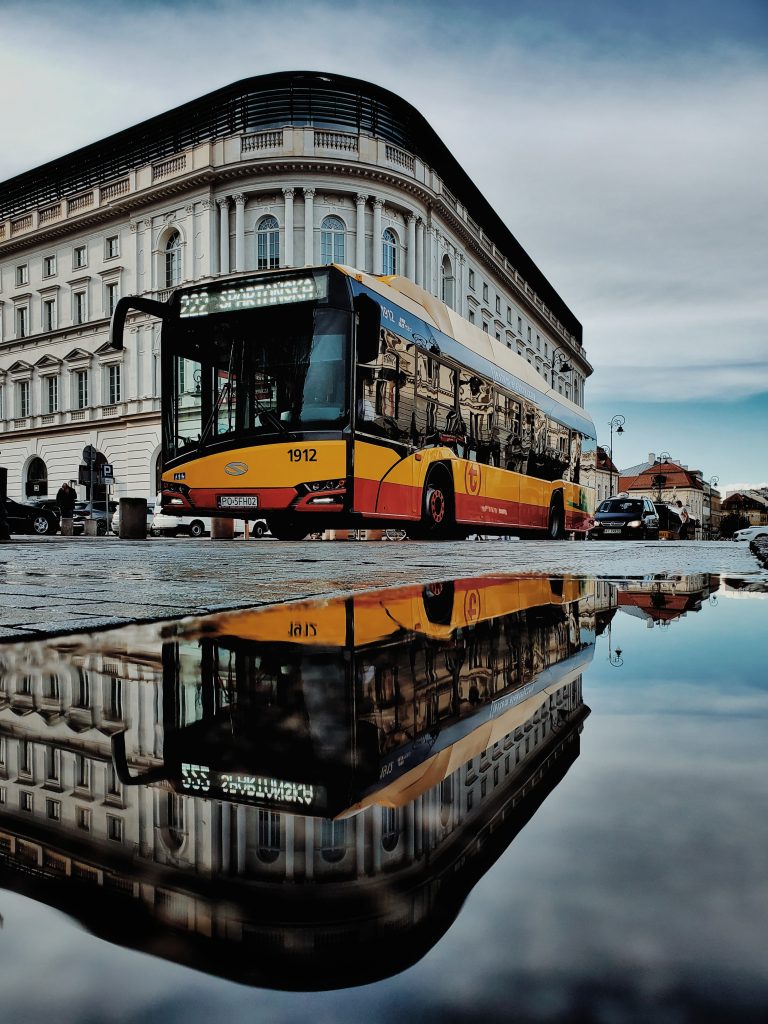
Up until recently, the majority of the US public transit system was powered by polluting fossil fuels such as diesel, which pose a serious risk to public health and contribute to global warming. Now, as cities turn to zero emission…
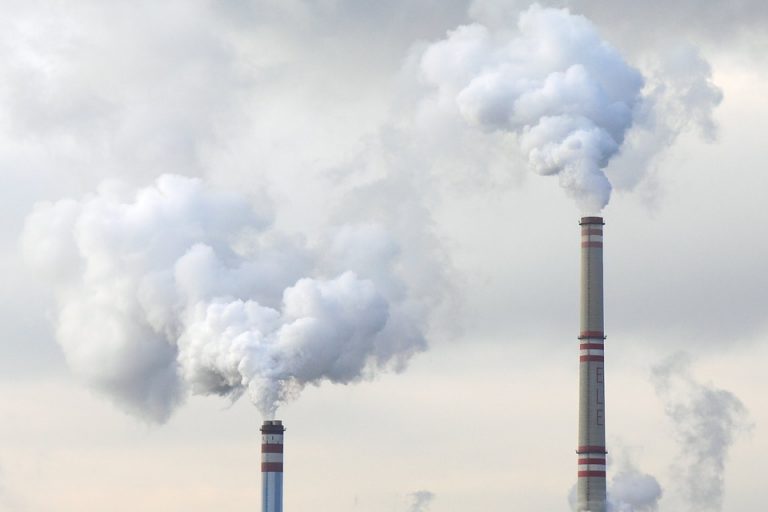
European Commission published the EU Methane Strategy to establish a harmonised framework to reduce methane emissions in the gas upstream, midstream, downstream as well as the coal sector and abandoned sites. The strategy envisages the establishment of an international methane…
IRENA’s third Innovation Week has officially started. Opened by IRENA’s Director-General Francesco La Camera and global energy leaders in a high-level event today, more than 1800 policy makers, innovators, developers and investors from 146 countries across IRENA’s diverse global membership…

There is no future for business as usual. Our current economic system, which arguably has succeeded in creating unprecedented economic output, wealth and human welfare over the past 70 years, has led to exacerbated social inequalities and loss of nature…