

Newsletter Subscribe
Enter your email address below and subscribe to our newsletter


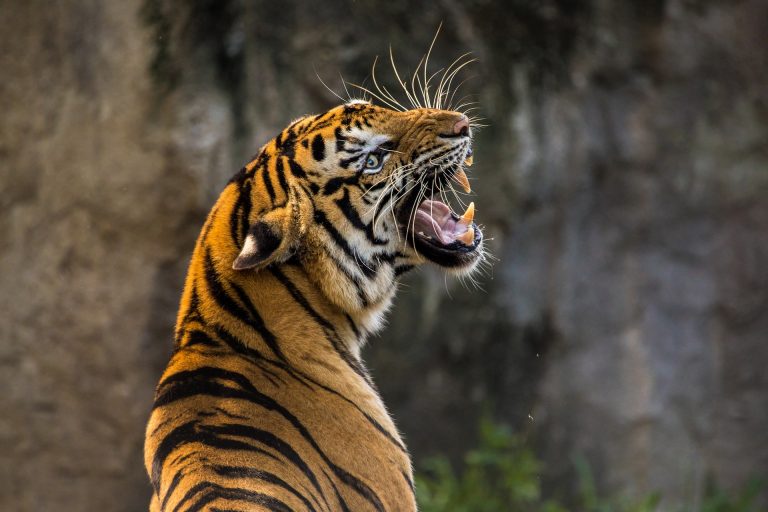
The tiger that leapt on Bhadai Tharu in the forests of Nepal took the sight from his left eye with a swipe of a paw. But it also helped the community leader understand that people must leave room for nature…
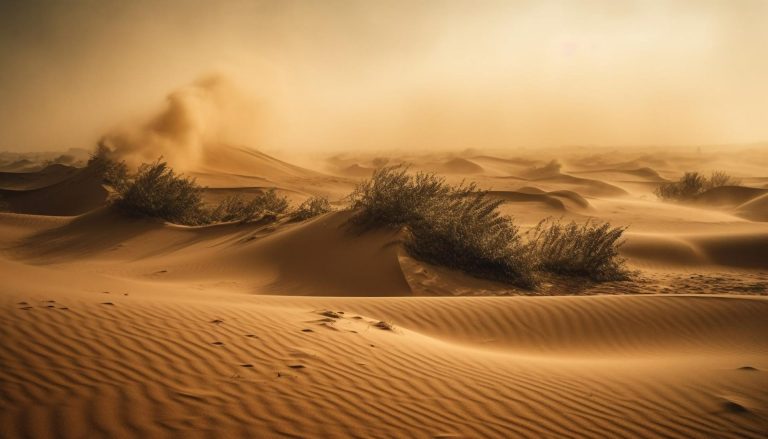
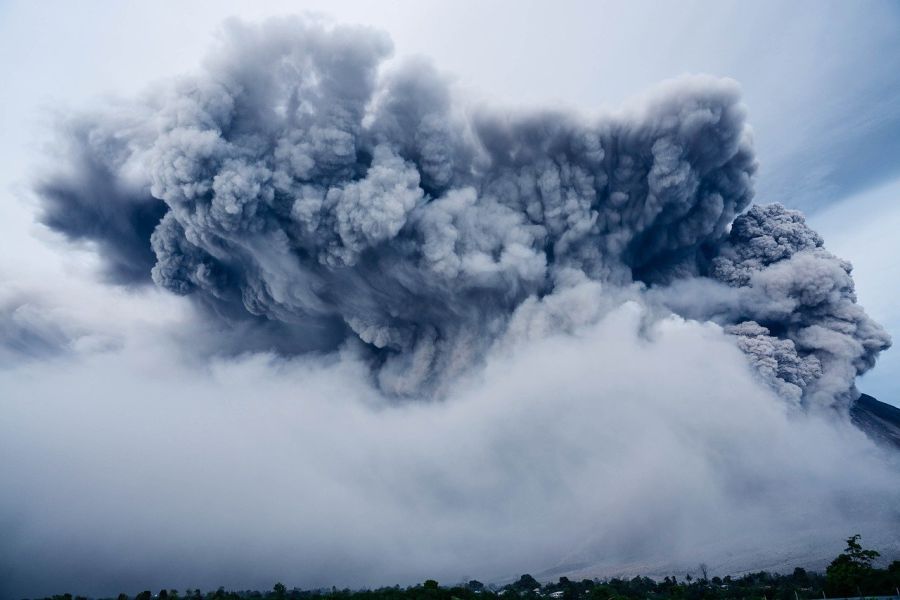
Sand and dust storms (SDS) have increased dramatically in intensity and frequency in recent years, especially in some regions, highlighting how the phenomenon damages crops and livestock, worsens desertification, and causes health problems, with an estimated 2 billion tonnes of…
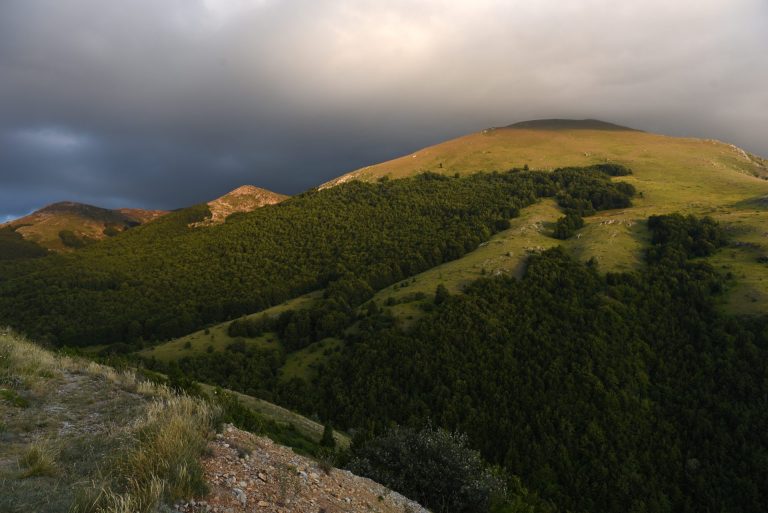
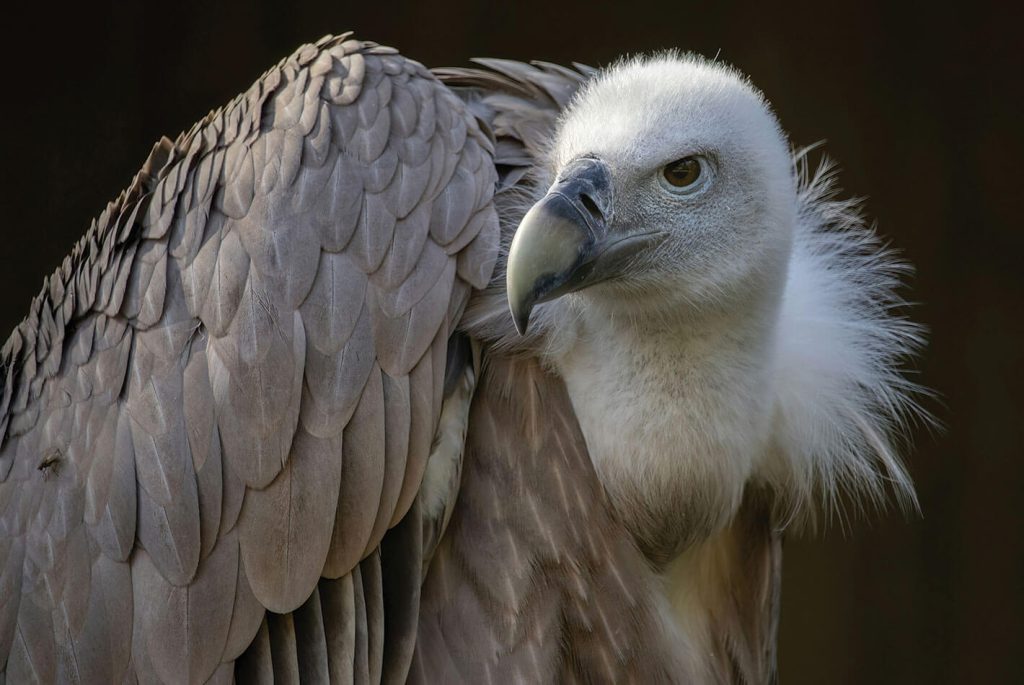
The Regional Office of the International Union for Conservation of Nature (IUCN) for Eastern Europe and Central Asia (ECARO) was founded twenty years ago. During that period, its goals have been adapted to suit climate change and the increased loss…
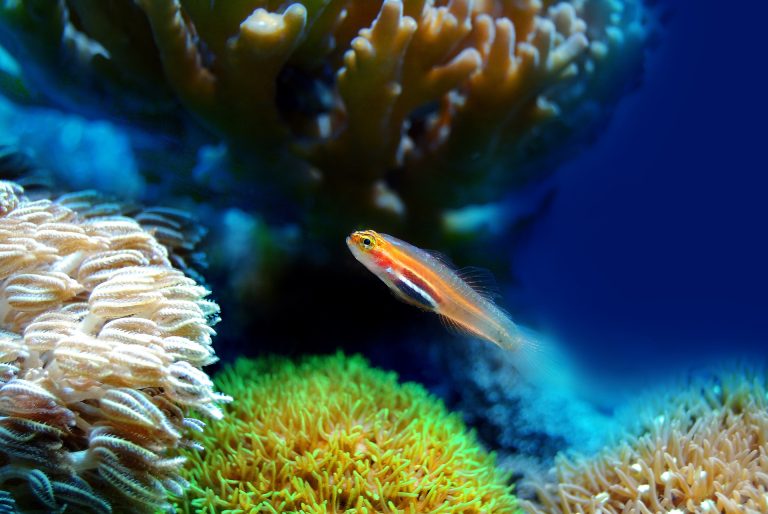
In the face of increasing threats to coral ecosystems and the recent announcement of a fourth global coral bleaching event, the Global Fund for Coral Reefs (GFCR) Executive Board has announced over 25 million USD in additional grant funding to…
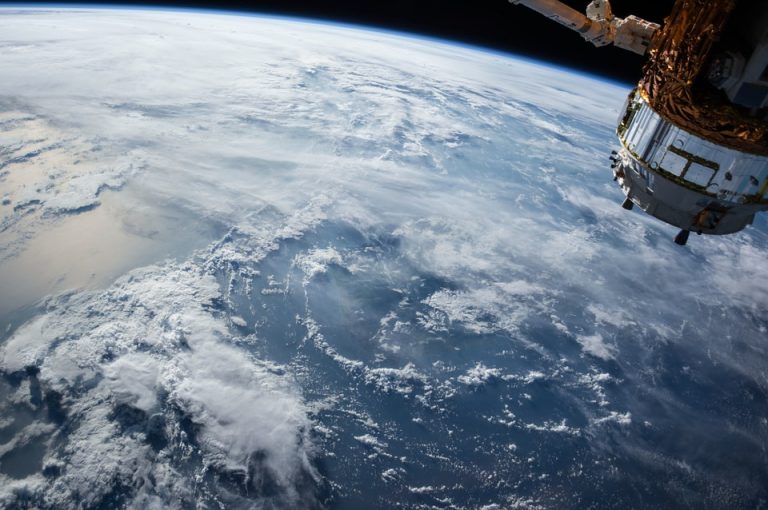
The Copernicus satellite missions currently in orbit provide invaluable data that feed a vibrant ecosystem of Earth Observation products and services across diverse application areas. Copernicus is served by a set of six dedicated satellite families, the Sentinels, which are…
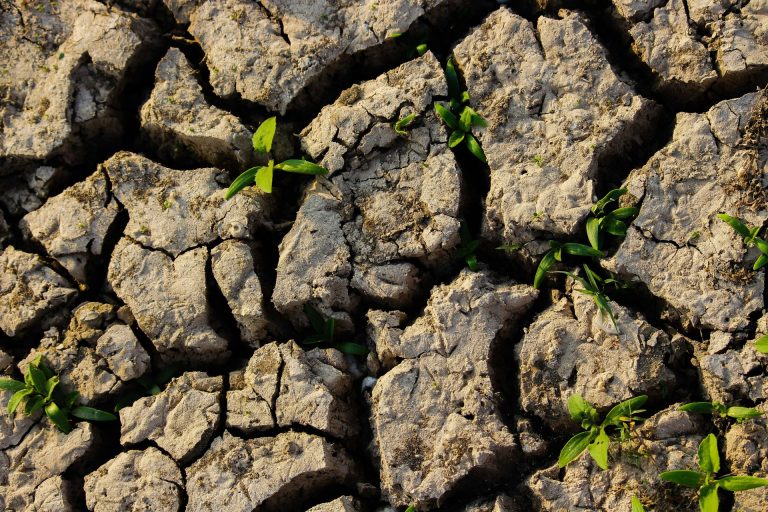
UNESCO is warning that 90 per cent of the planet’s land surface could be degraded by 2050, with major risks for biodiversity and human life. At an international conference in Agadir (Morocco), Audrey Azoulay, Director-General of UNESCO, appealed to the…
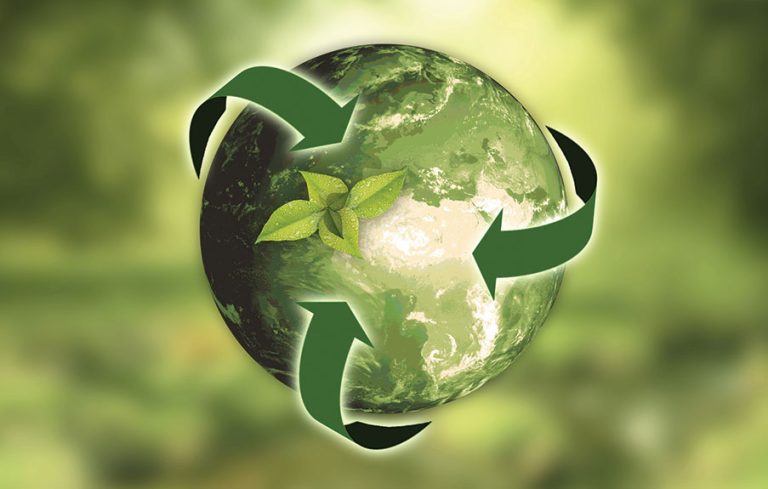
The fact remains that the stability of our planet has been irreversibly damaged and that human civilization has contributed to this state with its activities, especially in terms of energy and resource consumption. Consequently, the world has changed a lot…