


Newsletter Subscribe
Enter your email address below and subscribe to our newsletter


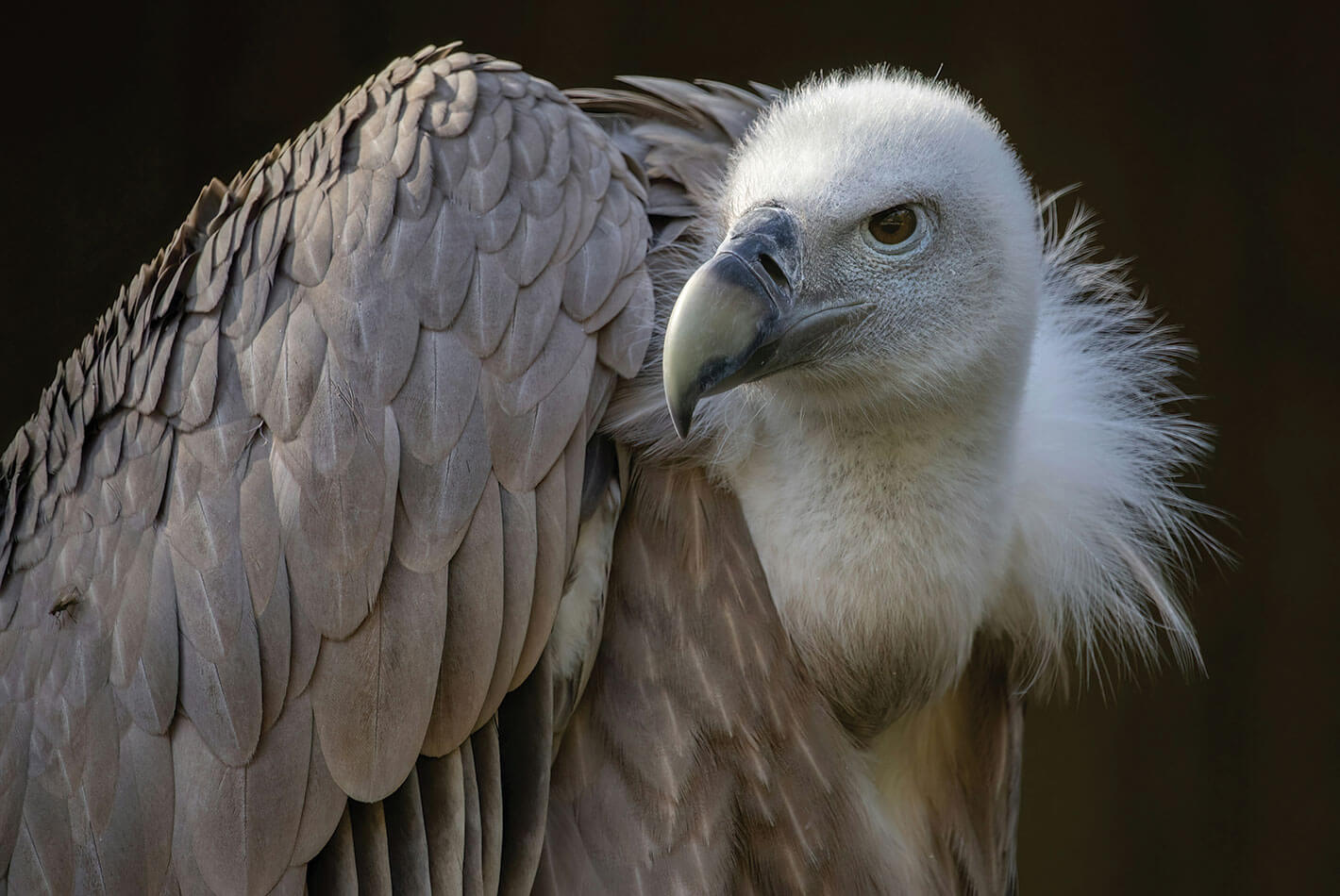
The recent poisoning of a cinereous vulture near Svrljig once again drew public attention to one of the most endangered groups of birds in Serbia. Although the suspect in this case was quickly identified and arrested, the incident raised important questions about the state of vulture populations, their importance to the ecosystem, and the measures needed to ensure these magnificent birds can once again become more numerous in our region.
We spoke with Vuk Popović, Secretary of the Foundation for the Protection of Birds of Prey, about what vulture protection in Serbia looks like today, an organization that has been actively working for decades to conserve these species.
From the Brink of Extinction to a Successful Recovery Story
One of the most important activities carried out by the Foundation is monitoring the griffon vulture population. This includes ringing chicks in nests and fitting them with modern satellite transmitters that enable detailed tracking of their movements.
Ringing is one of the basic scientific methods used in bird research. Each individual receives a unique metal ring and often also colored markings that make it easier to identify in the wild. Thanks to these data, researchers can learn how long the birds live, which routes they migrate along, and how far they travel.
Even more precise information is provided by satellite transmitters. They make it possible to track a bird’s position several times a day, as well as to record data on flight speed, temperature, and the altitude at which it is located.
The results of decades of work are also visible in the recovery of the griffon vulture population.
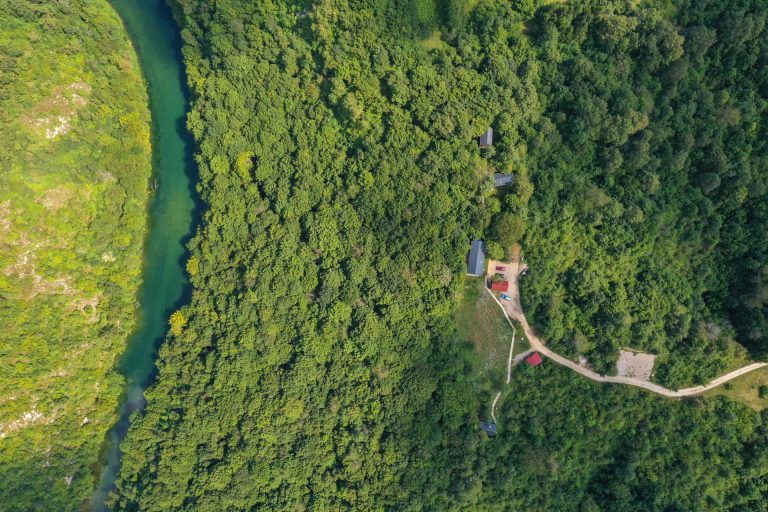
– By 1992, the number of griffon vultures had fallen to only 10 breeding pairs due to poisoning and a lack of food. After 30 years, thanks to the efforts of the members of the Foundation, the managers of the Uvac protected area, and the local population, the number of pairs has exceeded 250 – Popović points out.
Why Vultures Are So Important
Vultures are an irreplaceable part of natural ecosystems. Their primary role is to remove dead animals from the environment, thereby preventing the spread of disease and accelerating natural decomposition.
In the middle of the last century, as many as four species of vultures nested in Serbia – the cinereous vulture, the griffon vulture, the Egyptian vulture, and the bearded vulture. Each of them had a specific role in removing carcasses.
The cinereous vulture, also known as the “elder vulture”, was the first to approach a dead animal thanks to its powerful beak, which enabled it to pierce the skin. After it, griffon vultures would feed, removing soft tissue and entrails. The Egyptian vulture would extract small remains of meat from between the bones, while the bearded vulture would finish the job by taking the bones and breaking them by dropping them onto rocky slopes, the so-called bone-breaking sites.
In this way, this “fantastic four” completely removed carcasses from nature.
Today, however, the situation is significantly different. Of the four species that once nested in Serbia, only the griffon vulture has survived, while the others are seen only occasionally in passing.
Poisoning Remains the Greatest Threat
Although the griffon vulture population has successfully recovered, the dangers have not disappeared. Vultures are particularly vulnerable to poisoning because they feed in groups and are at the top of the food chain.
A single poisoned carcass can cause the death of dozens of individuals who gather to feed. This is precisely why the case near Svrljig attracted so much attention from the professional public.
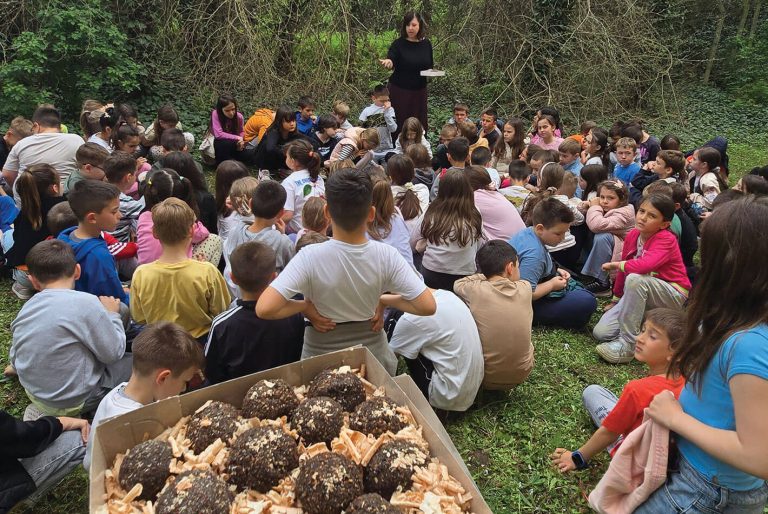
The positive news is that, thanks to many years of educating the local population in Western Serbia, no vulture poisoning has been recorded for more than two decades. However, Popović warns that it is necessary to continue raising awareness of their importance and the role they play in preserving healthy ecosystems.
Prepared by Milena Maglovski
The story was published in Energy portal Magazine CLEAN ENERGY