


Newsletter Subscribe
Enter your email address below and subscribe to our newsletter


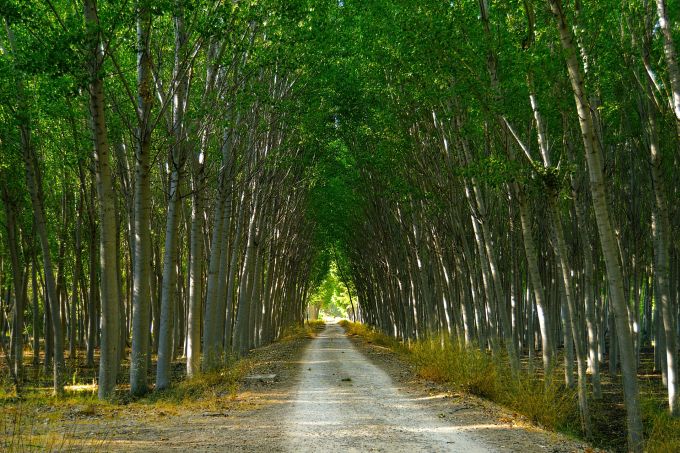
In the quest to produce affordable biofuels, poplar trees are one of the Pacific Northwest‘s best bets – the trees are abundant, fast-growing, adaptable to many terrains and their wood can be transformed into substances used in biofuel and high-value…
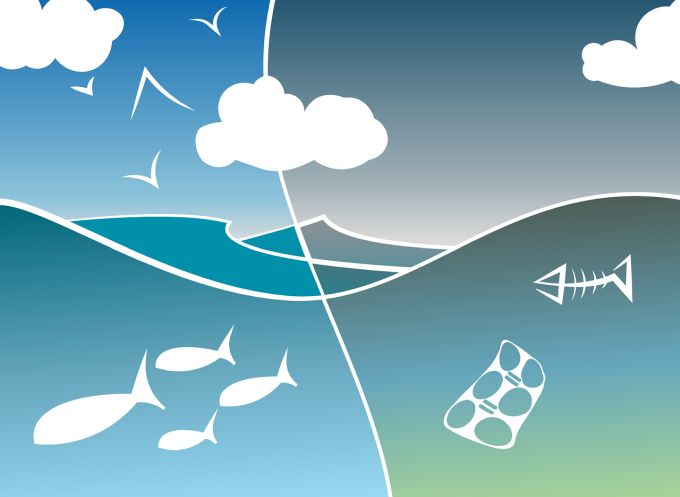
Plastic trash can really be found on all corners of the Earth—even in the stomachs of deep-sea organisms, according to a new study from Newcastle University in England. Led by Dr. Alan Jamieson, the researchers found microfibers in crustaceans from…

“For decades, pollution and its harmful effects on people’s health, the environment, and the planet have been neglected both by Governments and the international development agenda. Yet, pollution is the largest environmental cause of disease and death in the world…
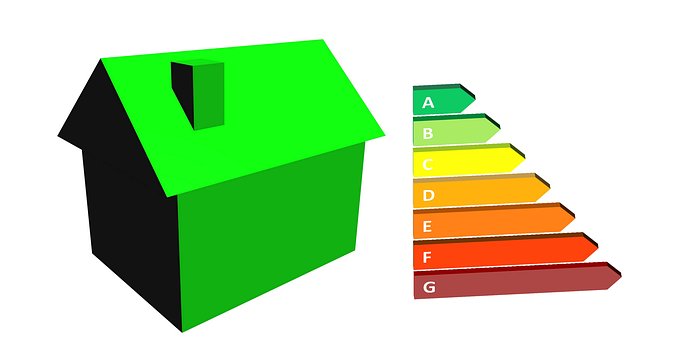
Already a global leader in building sustainability legislation and initiatives, the European market for energy efficient building technologies is expected to grow from $83.5 billion in 2017 to $111.9 billion in 2026. A new report from Navigant Research examining the…
Scientists at Dartmouth College engage in climate change research have found a way to determine what the carbon dioxide level was in the Earth’s atmosphere during the early Eocene period that began about 60 million years ago and ended about…
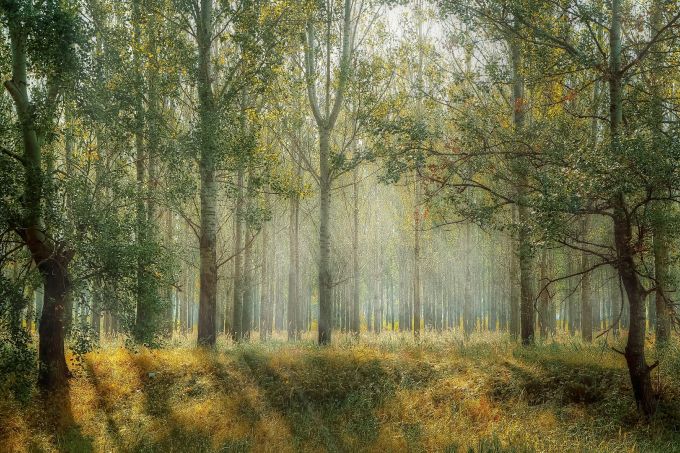
The range of the southern pine beetle could expand significantly further north than it now does within just a few decades as the result of increasingly warm winters in the regions in question, according to a new study published in…
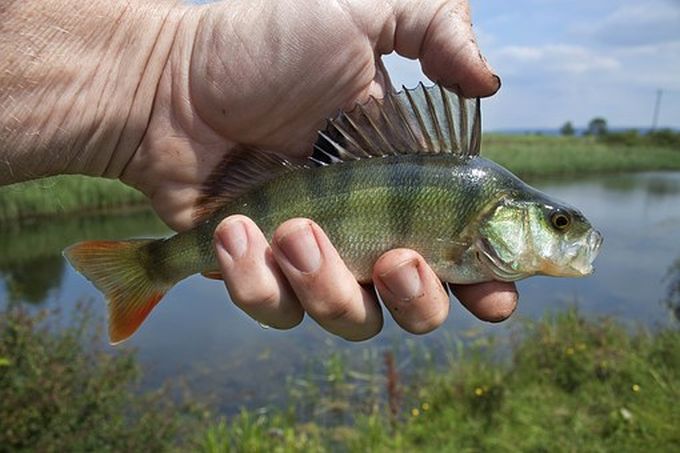
Nano-sized particles of plastic can accumulate in the brains of fish and cause damage and behavioral changes, according to a new study from Lund University. So, yes, despite earlier arguments to the contrary, it’s clear at this point that nanoplastics…