



Newsletter Subscribe
Enter your email address below and subscribe to our newsletter


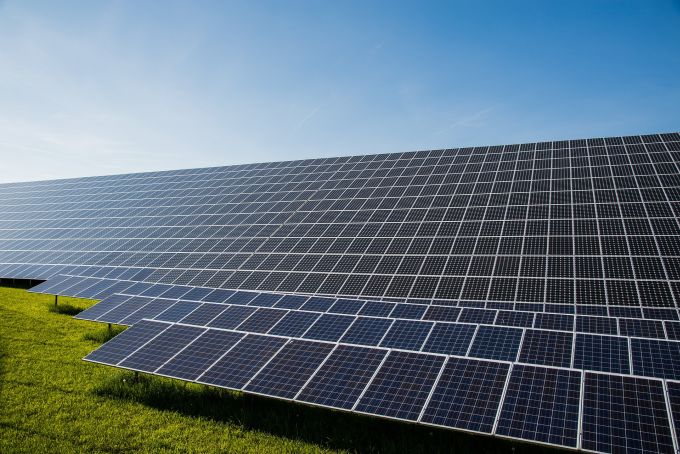
Environmental Scientists at Lancaster University and the Centre for Ecology and Hydrology monitored a large solar park, near Swindon, for a year. They found that solar parks altered the local climate, measuring cooling of as much as 5 degrees Centigrade…
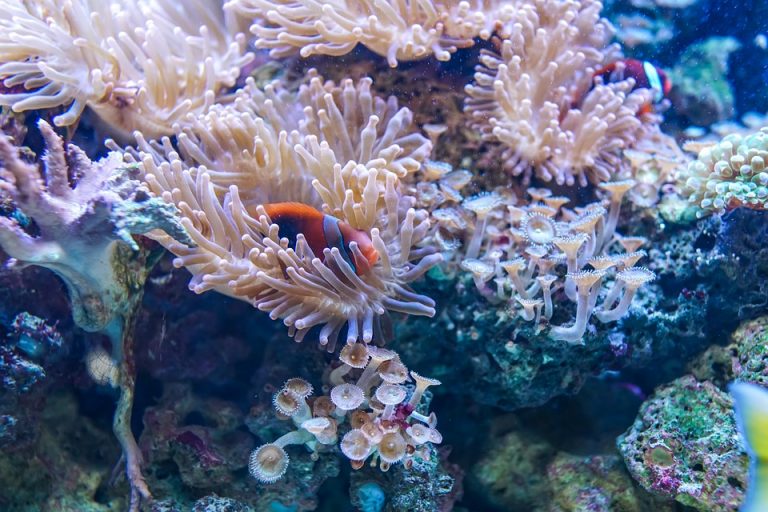
14 July 2016 – More than half of the world’s fragile coral reefs are under threat and most of our major fish stocks are now over exploited, according to the latest global assessments on the state of world’s high seas…
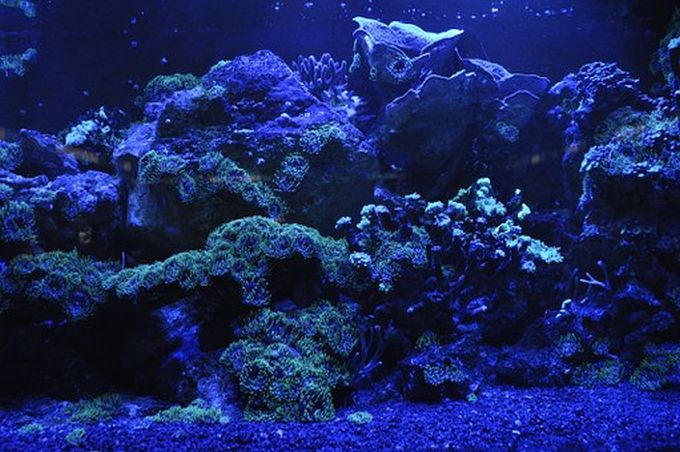
Coral reefs around the world are in a dire predicament, as warmer-than-usual waters are causing widespread bleaching and death among these crucial marine organisms. Now, more than 2,500 marine scientists and policy experts are urging the Australian government to protect…
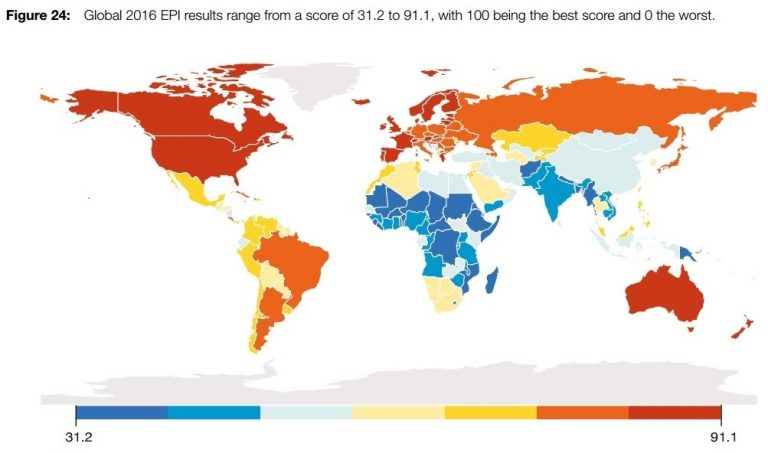
Nordic nations often appear at the top of rankings for the world’s greenest places, so the countries dominating Yale’s Environmental Performance Index (EPI) will come as no surprise – with the exception of Norway, which is lagging behind in 17th…
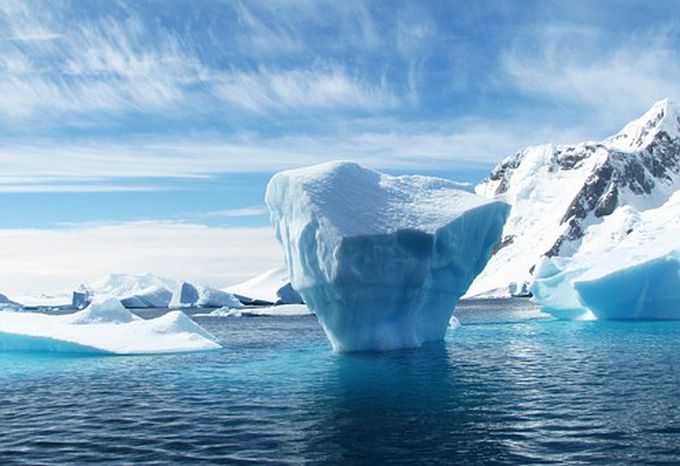
As nations meet in Bonn, Germany this week to hash out how to achieve the 2-degree Celsius goal they set in Paris, new research is providing policymakers a glimpse of what would happen if the world does nothing to curb…
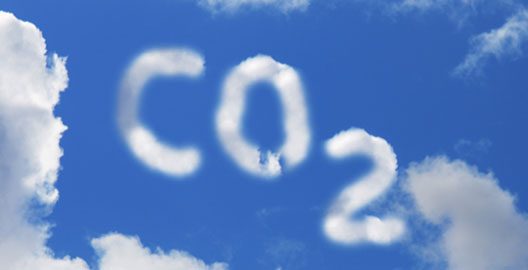
The rate of carbon emissions is higher than at any time in fossil records stretching back 66 million years to the age of the dinosaurs, according to a study on Monday that sounds an alarm about risks to nature from…
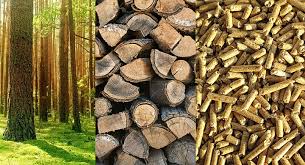
Researchers at the Energy Department’s National Renewable Energy Laboratory (NREL) and the BioEnergy Science Center (BESC) say better understanding of a bacterium could lead to cheaper production of cellulosic ethanol and other advanced biofuels. Their discovery was made during an…