



Newsletter Subscribe
Enter your email address below and subscribe to our newsletter



Ocean waters are rising because of global warming. They are rising for two reasons. First, and perhaps most obvious, ice is melting. There is a tremendous amount of ice locked away in Greenland, Antarctica, and in glaciers. As the world…
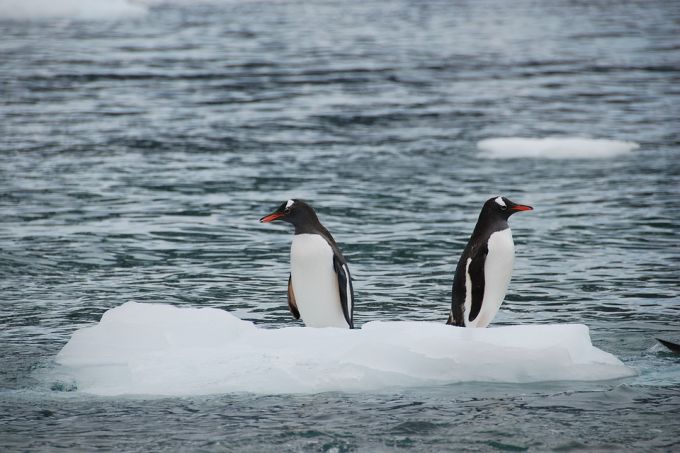
Ice in the Antarctic is melting at a record-breaking rate and the subsequent sea rises could have catastrophic consequences for cities around the world, according to two new studies. A report led by scientists in the UK and US found…
Another day, another sign of the reach of the global ocean plastics crisis. A Greenpeace expedition to Antarctica turned up microplastics in more than half of ocean water samples taken in the world’s southernmost waters. It also found chemicals dangerous…
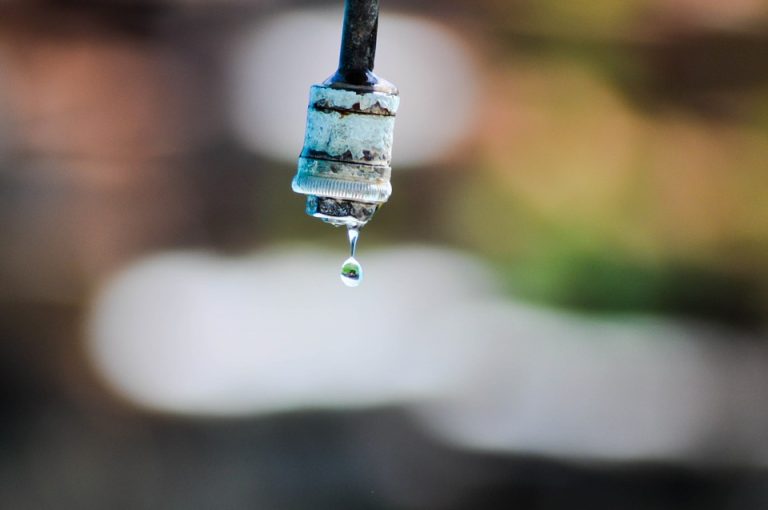
Water shortages are likely to be the key environmental challenge of this century, scientists from Nasa have warned, as new data has revealed a drying-out of swaths of the globe between the tropics and the high latitudes, with 19 hotspots…
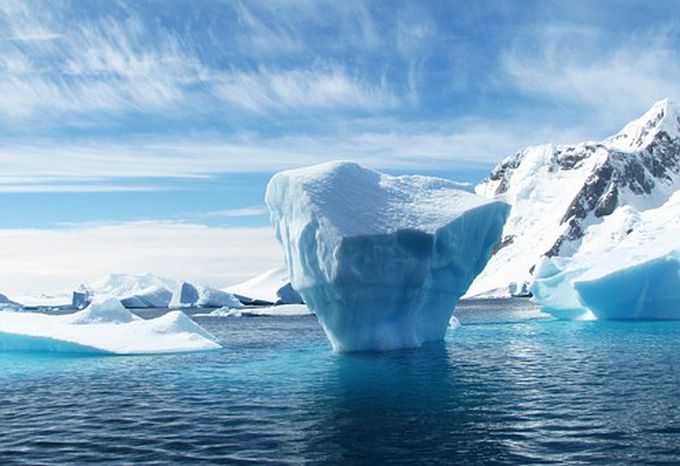
British and US scientists are to collaborate on a £20m project to examine the Thwaites glacier in west Antarctica, a major glacier that drains an area about the size of the UK. The collapse of the glacier could begin within…
Antarctica’s ice sheet is retreating due to warm ocean water circulating beneath its floating edge, researchers from the UK Centre for Polar Observation and Modelling at the University of Leeds have found. The study, published in Nature Geoscience, shows that…
Arctic sea ice has experienced its maximum extent for the year, reaching 14.48 million square kilometers (approximately 5.59 million square miles) on March 17—the second smallest in the 39-year satellite record. The provisional data from the National Snow and Ice…