


Newsletter Subscribe
Enter your email address below and subscribe to our newsletter

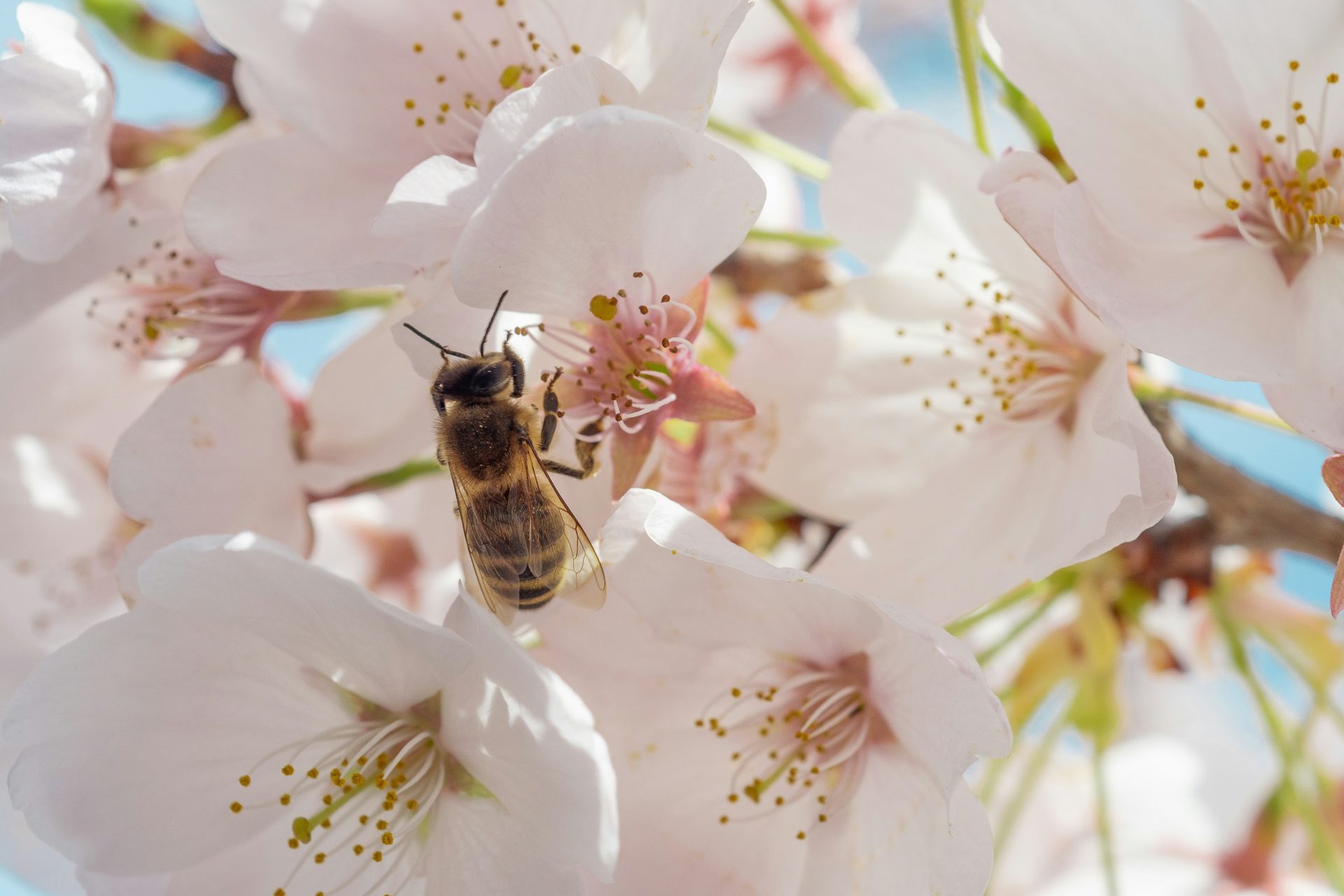
Nectar is a sweet liquid rich in sugars that plants use to attract bees and other insects. Honey is processed nectar that bees store as a reserve for periods when forage is unavailable, while pollen is a fine powder and the main source of protein and other nutrients essential for the development of young bees. Therefore, any disruption in the availability or quality of food sources can directly weaken an entire bee colony.
However, bees do not face food shortages only when flowers are absent. Problems arise even when pollen is available but does not contain all the nutrients necessary for brood development. In this gap between quantity and insufficient nutritional quality, a solution has emerged from researchers at the University of Oxford – a supplement based on a genetically modified strain of oil-producing yeast (Yarrowia lipolytica), designed to provide honeybees with an essential mix of sterols, natural compounds important for cell structure and function.
Artificial pollen substitutes have been used for decades and are not new. They are typically composed of protein flour, sugar, and oils, but so far, they have not been able to fully replace natural nutrition. Challenges increasingly faced by honeybees worldwide, such as habitat loss, reduced plant diversity, and increasingly unstable flowering periods, result in a lack of nutritionally complete pollen. This makes bees more susceptible to diseases and increases the risk of colony collapse.
However, the consequences do not affect beekeeping alone. While foraging, bees transfer pollen from flower to flower, enabling plants to produce fruit. This is particularly evident in species such as apples, pears, cherries, sour cherries, plums, raspberries, strawberries, blueberries, sunflowers, pumpkins, and zucchinis, whose yields largely depend on pollination. This means that beekeeping is directly linked to agriculture and food production, and, indirectly, to human life on the planet.
This is why the often-cited quote—commonly attributed to Albert Einstein, although never confirmed—frequently appears in discussions: “If the bee disappeared from the surface of the Earth, humanity would have no more than four years left to live.”
Nutrient-rich pollen provides bees with the substances necessary for the functioning of their hypopharyngeal glands and the stable development of brood. Poorer-quality pollen, on the other hand, may supply part of the required nutrition but not everything the colony needs in the long term. Thus, bees may have access to pollen yet remain nutritionally deprived. In some ways, humans in modern cities experience a similar phenomenon – fruits and vegetables from stores may appear fresh and healthy yet lack the taste and sweetness of those grown in natural conditions. Simply put, there is a difference between having enough food in quantity and having truly nutritious food.
This is where the yeast developed by Oxford researchers comes into play. It is a supplement based on genetically modified yeast that produces sterols, with particular focus on 24-methylenecholesterol, along with five additional sterols required in smaller quantities, as stated in the research. This sterol plays an important role in bee development during the pupal stage, and without it, brood development slows down. Unlike existing supplements, this engineered approach aims to compensate for rare yet essential and hard-to-obtain components, bringing the nutritional profile closer to the complex composition of natural foods found across diverse plant ecosystems. During trials, colonies receiving this supplement showed better brood development over a three-month period compared to those that did not receive appropriate additives.
Therefore, this story is not only about a new supplement. The strength of bee colonies determines whether there will be enough healthy brood in hives, enough worker bees, sufficient pollen and nectar collection, and ultimately enough honey. When bees weaken, it is not only the hives that suffer, but the entire natural cycle from flower to fruit, which ultimately affects agriculture, food systems, and humans.
Prepared by Milica Vučković
The story was published in Energy portal Magazine ECOMOBILITY