





Arctic
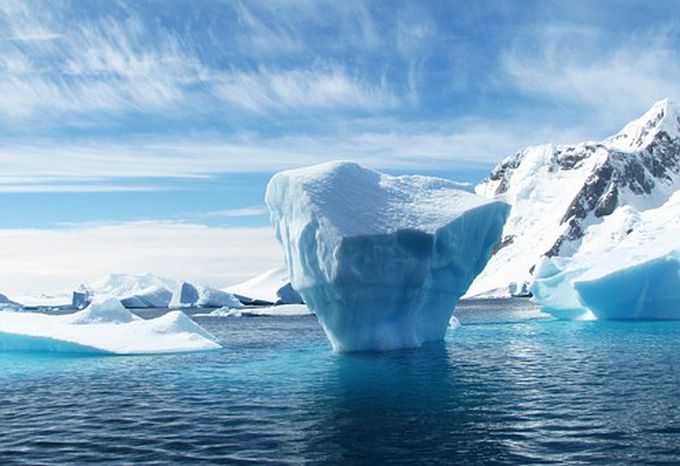
Arctic Sea Ice Hits Second-Lowest Winter Peak on Record
Arctic sea ice has experienced its maximum extent for the year, reaching 14.48 million square kilometers (approximately 5.59 million square miles) on March 17—the second smallest in the 39-year satellite record. The provisional data from the National Snow and Ice…
Methane Meltdown: Thawing Permafrost Could Release More Potent Greenhouse Gas Than Expected
A study published in Nature Climate Change Monday shows that thawing permafrost in the Arctic might produce more methane than previously thought. Methane has 28 times the Global Warming Potential (GWP) of carbon dioxide, so the findings indicate scientists might…
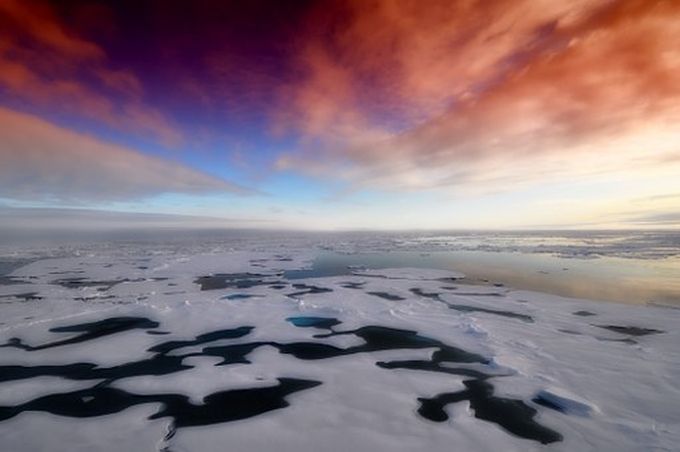
Arctic Has Warmest Winter On Record
The Arctic winter comes and goes — but ever so differently as warming trends prevail. Increasing temperatures and glacial caving continue as Mother Nature gets hotter — at the top of our world as elsewhere. James Balog has an immense…
Average Temperatures In Alaska In December Shatter Existing Record
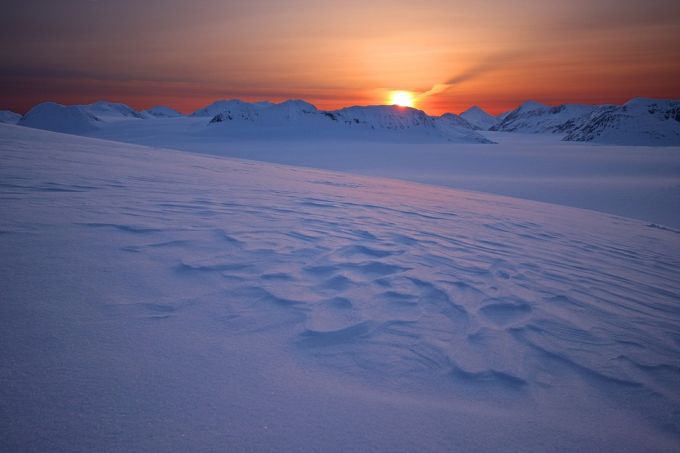
Climate scientists have been warning us for decades that global warming will affect polar regions first. If that is so — assuming those scientists are not all being paid by the Chinese to perpetrate a giant fraud on the world…
Arctic Experienced 2nd Warmest Year & Lowest Winter Sea Ice Extent On Record In 2017
The Arctic region experienced its second-warmest year (by air temperature) and its lowest winter sea ice extent on record in 2017, according to the 12th edition of NOAA’s Arctic Report Card. The peer-reviewed report — comprising the work of 85…
Greenland Ice Sheet Likely Contains High Levels Of Anthropogenic Pollutants
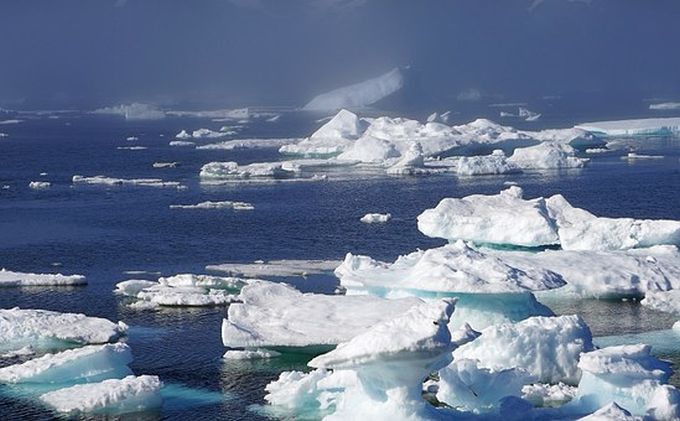
The Greenland ice sheet is likely to be heavily contaminated with various globally emitted pollutants — such as PCBs, mercury, lead, PAHs, etc. — according to new research published in the journal Environmental Research Letters. So, despite its image as…
Vast Amounts Of Toxic Mercury Accumulating In Arctic, Global Industrial Emissions To Blame
Enormous quantities of toxic mercury are now accumulating in the Arctic tundra as a result of industrial activity and emissions in the temperate parts of the globe, according to a new study from UMass Lowell. While the presence of high…