

Newsletter Subscribe
Enter your email address below and subscribe to our newsletter

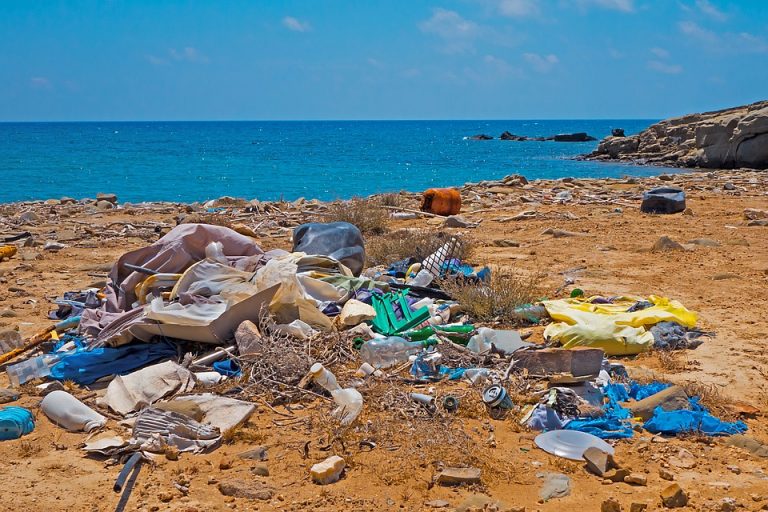
The UN Environment Programme (UNEP) and the European Investment Bank (EIB) launched the Global Environment Facility (GEF) Mediterranean Pollution Hot Spots Technical Assistance initiative, which aims to reduce pollution in the Mediterranean marine and coastal environment. As part of the…
They are certainly not the cutest creatures, and it is true that they can cause a lot of fear and distress in many, despite their size. It is an understatement that they are often unwanted guests in our homes, and…
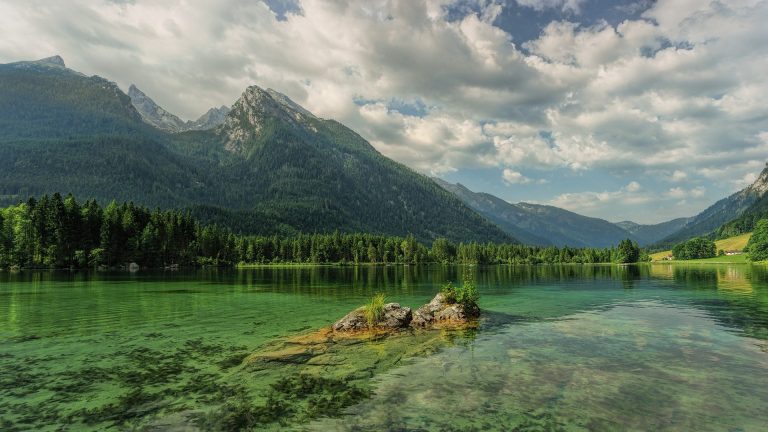
Across the world, lakes fed by rivers, glacial melt, groundwater and rain have played an important role in human civilization and development. They contain 90 percent of the fresh water on the planet’s surface, house an array of wildlife, and…
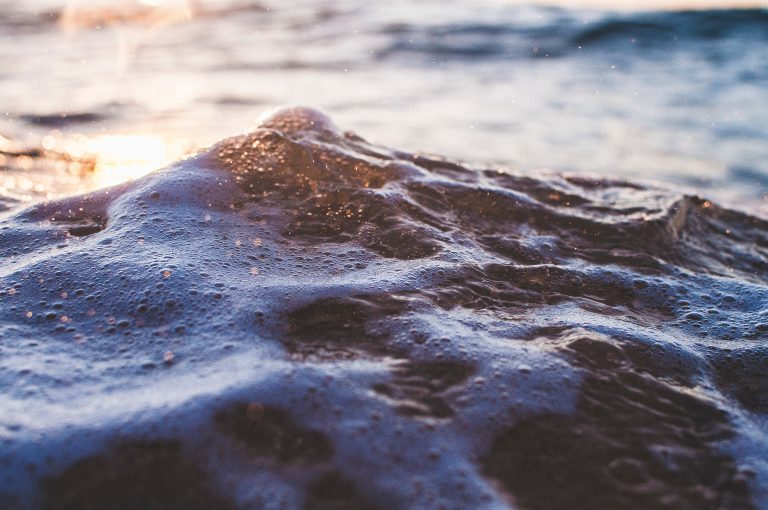
Covering over 70 per cent of the planet the Ocean has a major role in everyday life. It produces at least 50 per cent of the planet’s oxygen, is home to most of earth’s biodiversity, and is the main source…
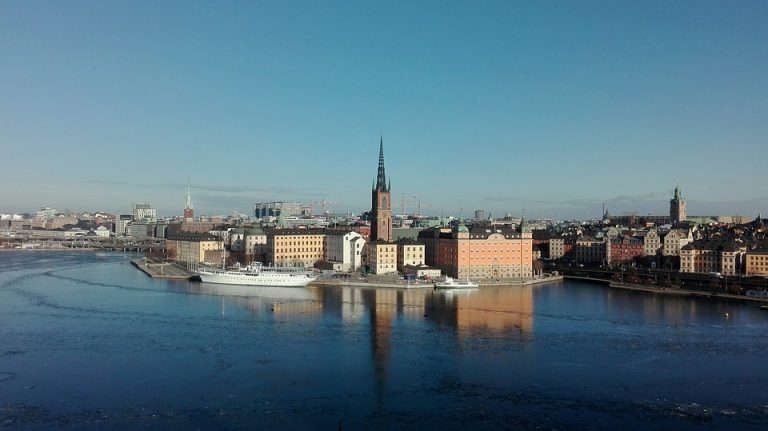
On 2 and 3 June 2022, world leaders and representatives from government, business, international organizations, civil society and youth will gather in Sweden for Stockholm+50 – an international meeting to drive action towards a healthy planet for the prosperity of all. The event…

Healthy, biodiverse ecosystems sustain life on Earth by providing air, water and other essential elements. From forests to farmlands to oceans, the planet’s ecosystems are the basis of resources, services and industries. Despite the value nature provides, it is being…
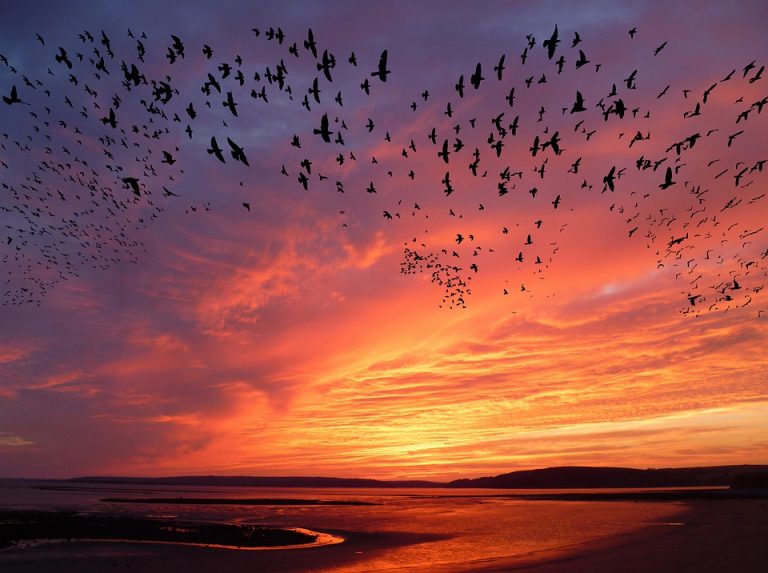
A mass extinction is a short period of geological time in which a high percentage of biodiversity, or distinct species—bacteria, fungi, plants, mammals, birds, reptiles, amphibians, fish, invertebrates—dies out. In this definition, it’s important to note that, in geological time, a…