


Newsletter Subscribe
Enter your email address below and subscribe to our newsletter
Enter your email address below and subscribe to our newsletter

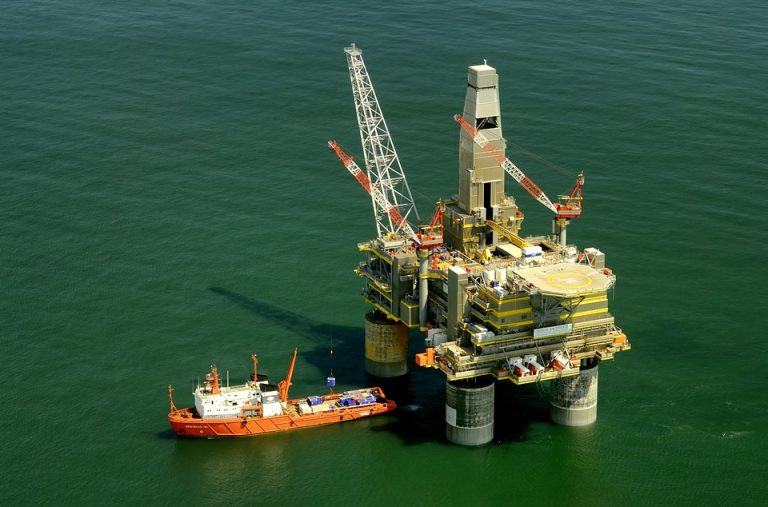
bp today introduces a new strategy that will reshape its business as it pivots from being an international oil company focused on producing resources to an integrated energy company focused on delivering solutions for customers. Within 10 years, bp aims…

The impact of the coronavirus around the world and the resulting turmoil in global markets are dominating global attention. As governments respond to these interlinked crises, they must not lose sight of a major challenge of our time: clean energy…
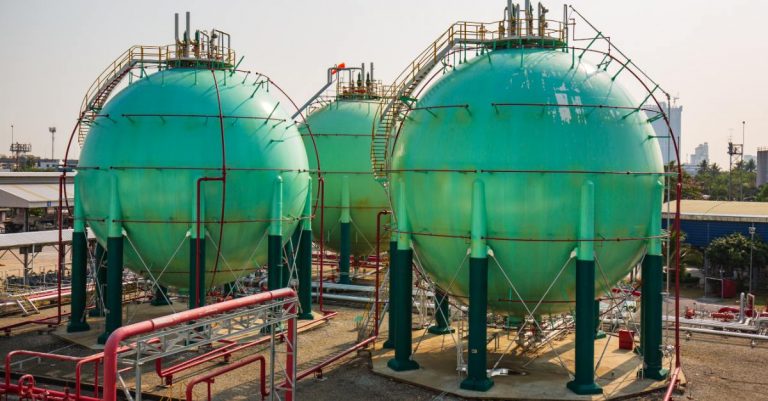
Hydrogen from renewable energy could play a central role in the global energy transformation, the latest report by the International Renewable Energy Agency (IRENA) finds. ‘Hydrogen: a renewable energy perspective’ estimates that hydrogen from renewable power, so called green hydrogen,…
“We’ll science our way out of global warming.” We hear that all the time from people who don’t quite believe climate change is real and that burning fossil fuels is the cause. Better to wait until the seas close over…

Global energy-related carbon dioxide (CO2) emissions hit a new record last year, with an increase of 1.7% globally. That was a result of higher energy consumption, which grew by 2.3% – nearly twice the average rate of growth since 2010,…

Through burning vast amounts of fossil fuels over the decades, we’ve pumped so much CO2 into the atmosphere that even if we had stopped burning any more at all, the planet’s climate would still be changing irrevocably. And it’s not…

The world’s leading climate scientists have warned there is only a dozen years for global warming to be kept to a maximum of 1.5C, beyond which even half a degree will significantly worsen the risks of drought, floods, extreme heat…