


CO2
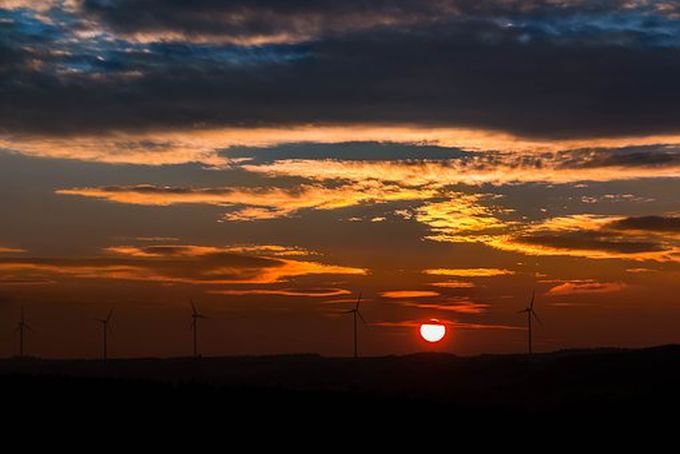
UK Government Confirms Historic Low Emissions As Wind & Solar Become Second Biggest Electricity Source
Provisional statistics from the UK Government have confirmed previous analyses that the country’s greenhouse gas emissions have reached levels not seen since 1890, thanks in part to the increase in electricity generation from wind and solar which together now account…
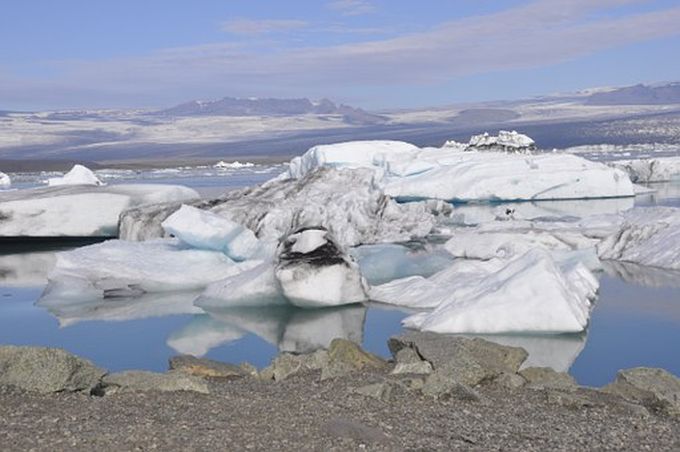
Melting Permafrost Emits More Methane Than Scientists Thought
Methane emissions are the source of the greenhouse gas which, after carbon dioxide, probably causes climatologists more sleepless nights than any of the other gases. And now it appears they have quite a lot more to bother them than they…

How Smartphones Are Heating Up the Planet
When we think about climate change, the main sources of carbon emissions that come to mind for most of us are heavy industries like petroleum, mining and transportation. Rarely do we point the finger at computer technologies. In fact, many…
McDonald’s to Take Major Bite Out of Carbon Footprint with New Science-Based Targets
McDonald’s has become the first global restaurant company to set greenhouse gas targets in line with global climate science, it claimed today as it launched a raft of new green commitments. The fast food giant has pledged to reduce emissions…
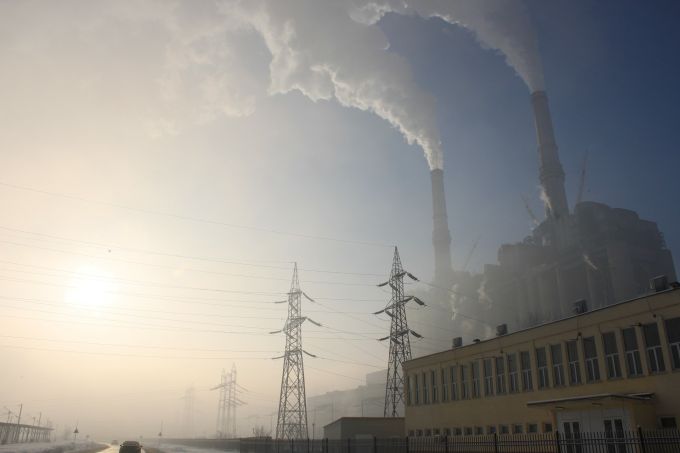
C40 Reveals Cities’ Emissions Are Up To 60% Higher, Resulting In Bigger Reduction Opportunities
A new analysis from the C40 Cities Climate Leadership Group has revealed that cities are actually generating up to 60% more greenhouse gasses than currently estimated due to the impact of trade in goods and services, but that this means…
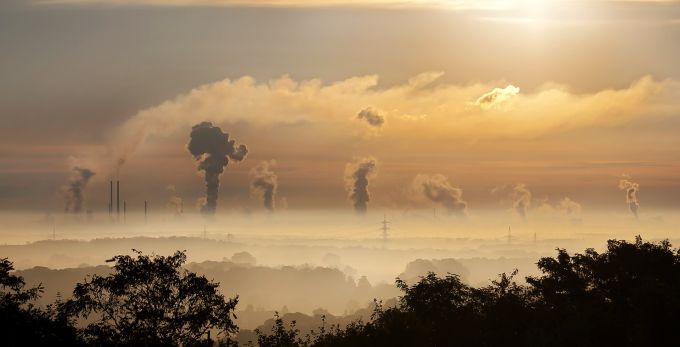
UK Carbon Emissions Fall to 1890 Levels
The last time annual UK carbon dioxide emissions were as consistently low as they are currently air travel was still an unproven invention and Oscar Wilde was preparing to publish his first and only novel, The Picture of Dorian Gray.…
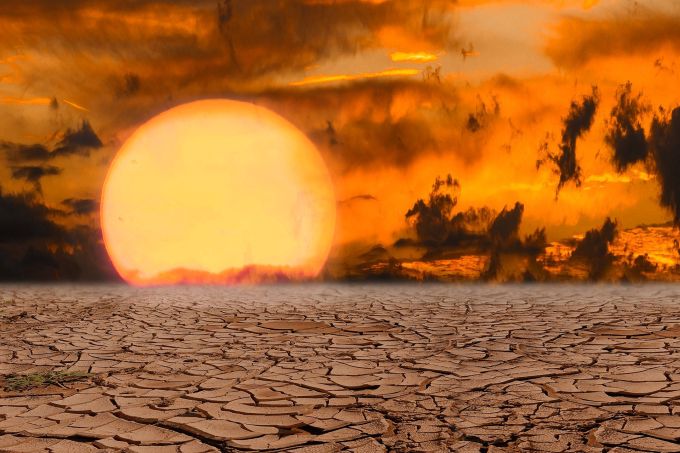
Researchers Unveil Several Ways to Limit Global Warming to 1.5°C by 2100
A group of researchers led by International Institute for Applied Systems Analysis has used new modelling scenarios to showcase several ways with which to limit global temperature rise to 1.5°C by 2100. According to their research, “Scenarios towards limiting global…