

Newsletter Subscribe
Enter your email address below and subscribe to our newsletter


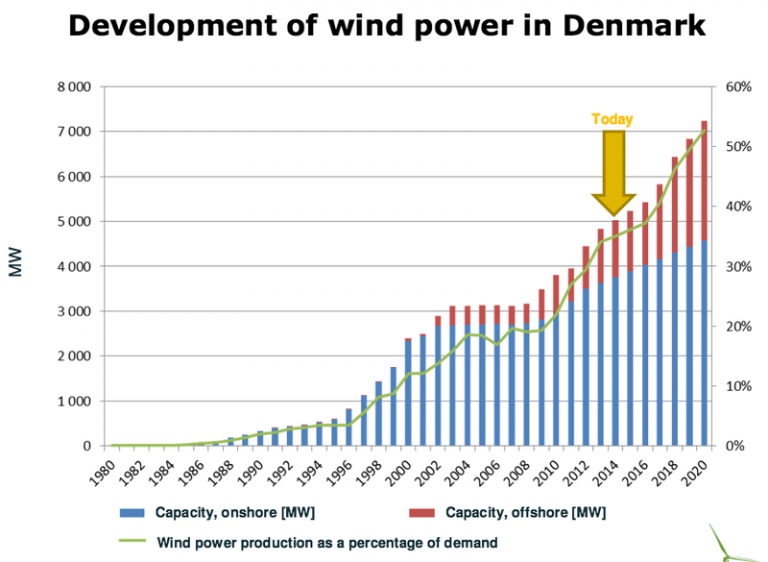
Back in the early 1970s, Denmark got almost all its energy from imported oil. Then came the oil crisis, which, naturally, had a big impact. Political discussions throughout the ’80s resulted in two big strategic decisions. One, Denmark would develop…
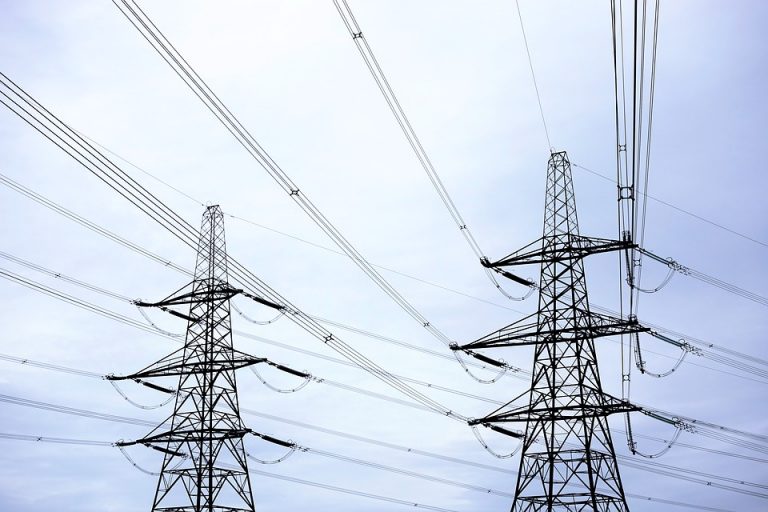
At the Western Balkans Investment Summit, in the presence of all regional prime ministers, the European Union confirmed its intention to provide a EUR 12 million grant to support construction of the first electricity interconnector between Albania and Macedonia, the…
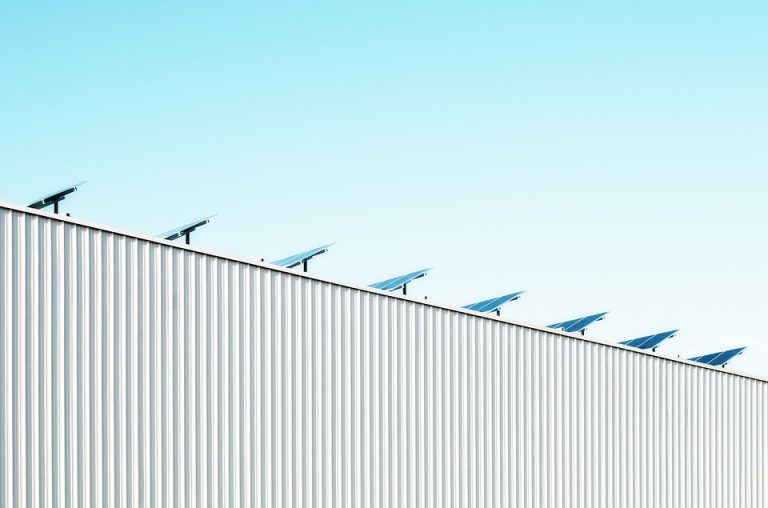
IFC, a member of the World Bank Group, signed an agreement on Tuesday with the government of Senegal to develop up to 200 megawatts of solar power under Scaling Solar, a World Bank Group initiative helping African countries procure renewable…
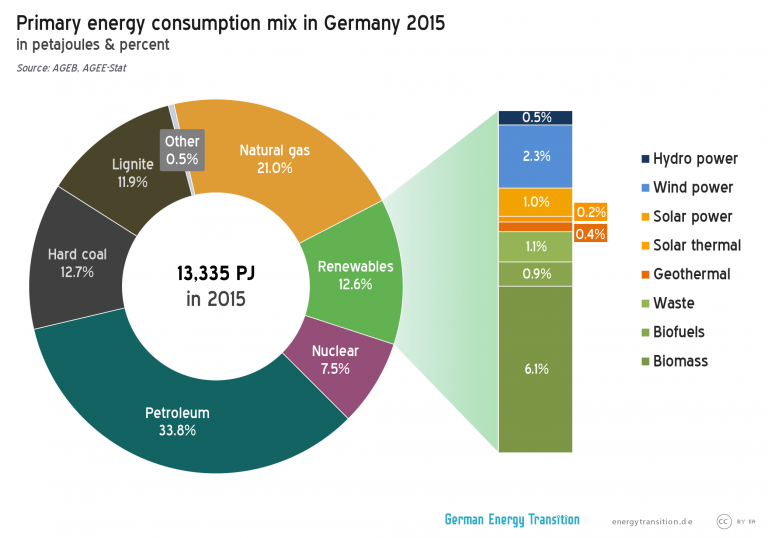
In 2015, German energy consumption rose by 1.3 percent according to preliminary figures published just before Christmas by the AGEB, an independent group of economists and the sector experts (press release). The organization attributes this increase to three main factors:…
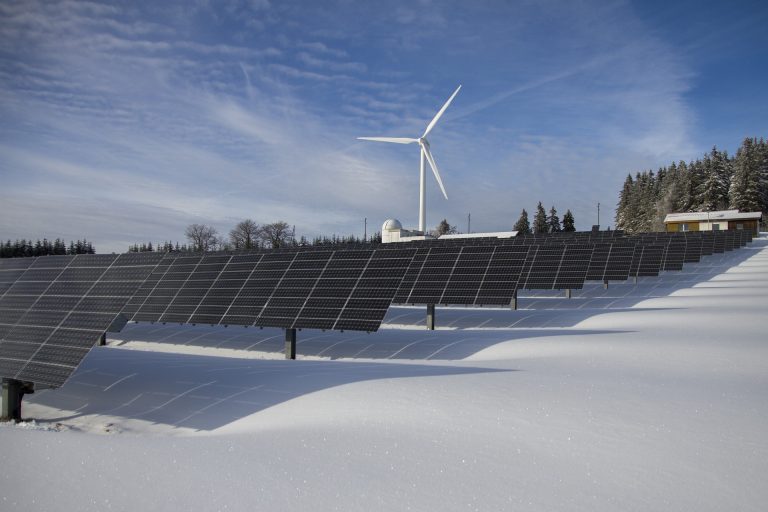
In less than 10 years the country has slashed its carbon footprint and lowered electricity costs, without government subsidies. Delegates at the Paris summit can learn much from its success. Renewables now provide 94.5% of Uruguay’s electricity. As the world…
Uruguay gets 94.5% of its electricity from renewables. In addition to old hydropower plants, a hefty investment in wind, biomass and solar in recent years has raised the share of these sources in the total energy mix to 55%, compared…