




Newsletter Subscribe
Enter your email address below and subscribe to our newsletter



The first week of the 2024 United Nations Climate Change Conference (COP29), held in Baku, has concluded, with the event running until November 22. As previously reported, the opening days were marked by several key moments. Among them was reaching…
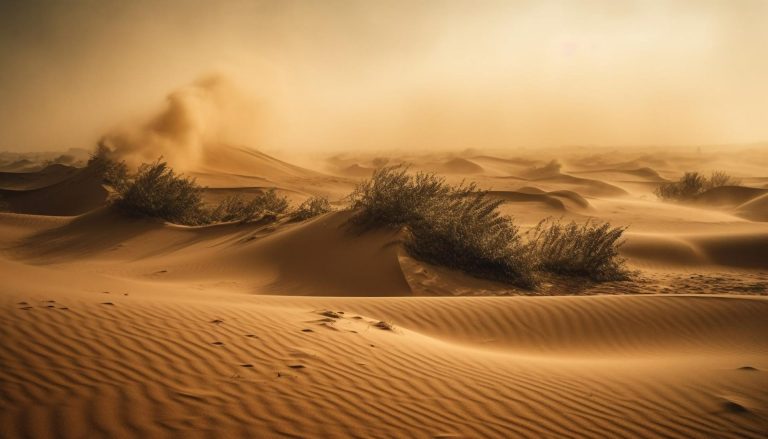
Sand and dust storms (SDS) have increased dramatically in intensity and frequency in recent years, especially in some regions, highlighting how the phenomenon damages crops and livestock, worsens desertification, and causes health problems, with an estimated 2 billion tonnes of…

On July 25, 2020, a Japanese cargo ship struck a reef on the southeast coast of Mauritius, leaking tons of oil into coral reefs, pristine turquoise water lagoons and unique ecosystems of the island nation. The grounded ship split up,…

New climate data from the World Meteorological Organization (WMO) predicts that the annual mean global temperature is likely to be at least 1.0°C above pre-industrial levels (1850-1900) in each of the coming five years (2020-2024) and there is a 20…
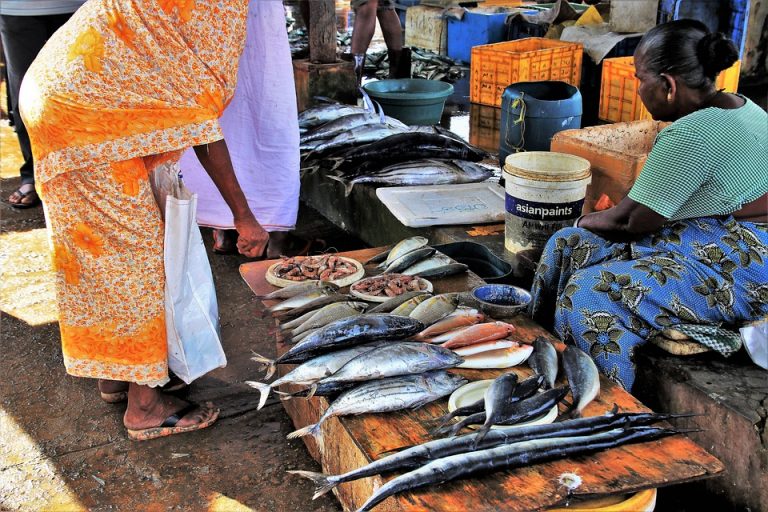
Food markets will face many more months of uncertainty due to COVID-19, but the agri-food sector is likely to show more resilience to the pandemic crisis than other sectors, according to a new report released by the Food and Agriculture…
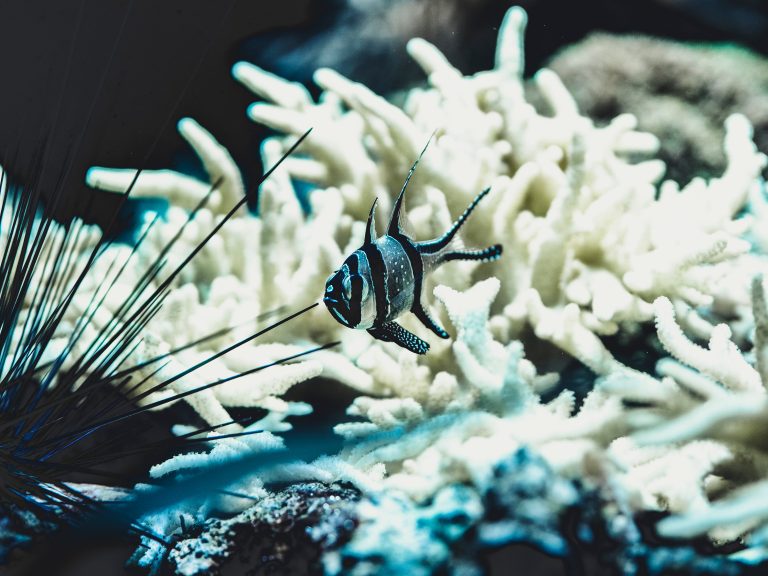
A global study has revealed exactly why corals glow during ocean heatwaves: to try and survive. The research by the University of Southampton’s Coral Reef Laboratory shows that some corals exhibit a dazzling colourful display when they suffer bleaching due…
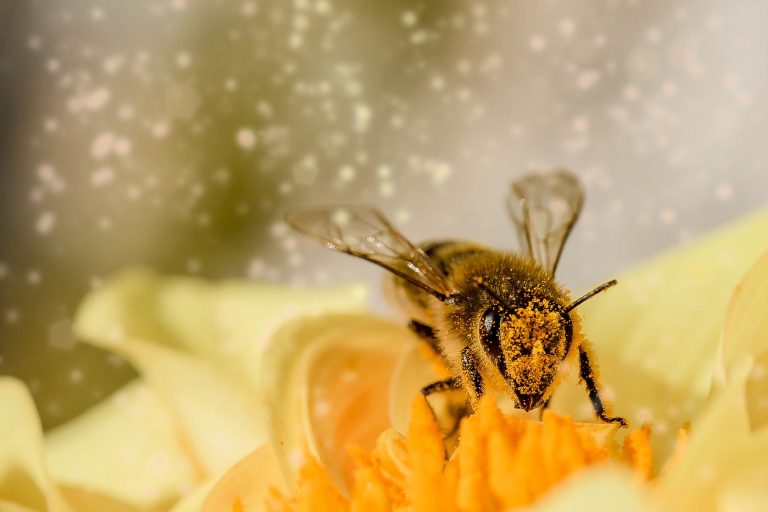
There’s nothing new in nature. Viruses have been around for as long as plants and animals, if not longer. Most viruses are benign to humans and other animals and in fact are essential for life. Some—as humans are finding out…