


Newsletter Subscribe
Enter your email address below and subscribe to our newsletter


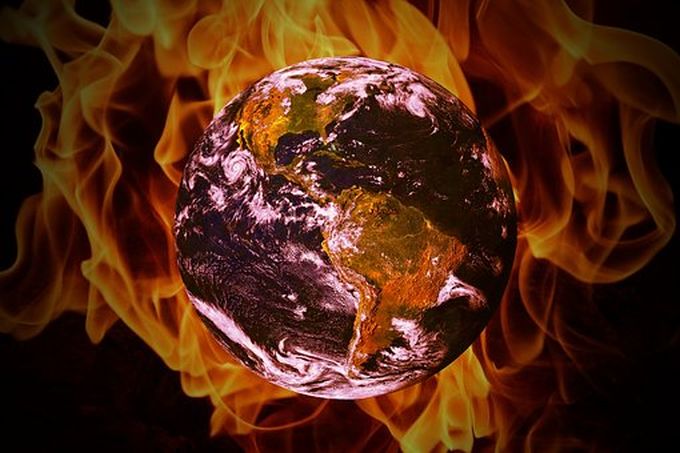
Three of 2016’s extreme weather events would have been impossible without human-caused climate change, according to new research. The Bulletin of the American Meteorological Society published a collection of papers Wednesday focused on examining the effect of climate change on…
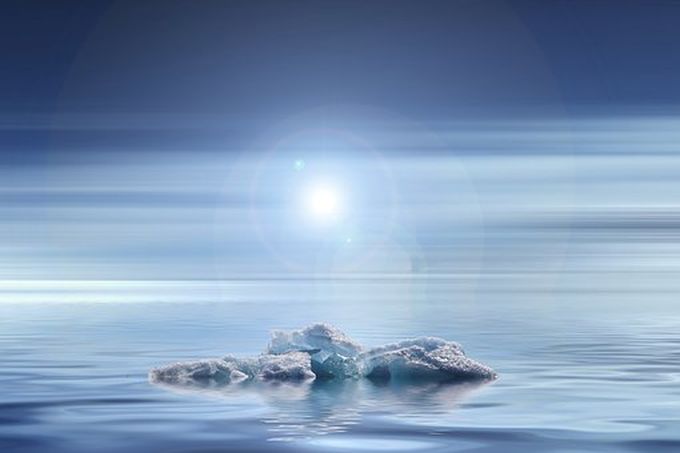
The 2017 Arctic Report Card reflects contributions from 85 scientists representing 12 countries. The pace of sea ice area (hereafter extent) decrease is unprecedented over the past 1,500 years, according to Emily Osborne’s et al. 2017 contribution to the Arctic…
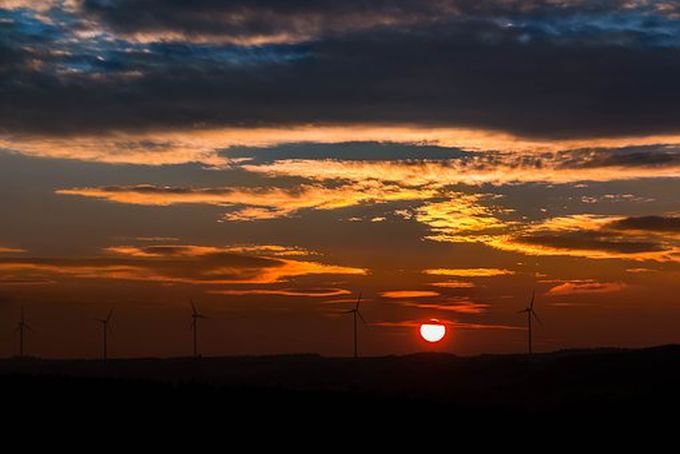
By the end of this century, global climate change may impact the wind resources in many regions of the Northern Hemisphere, decreasing hotspots in the North but increasing hotspots in the Southern Hemisphere, according to a new study from researchers…
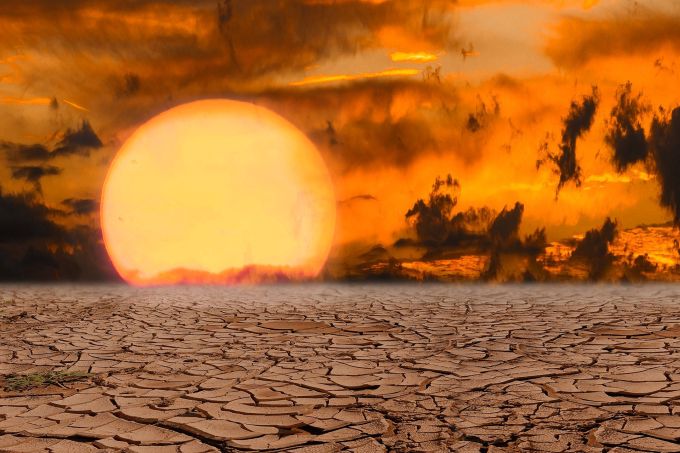
Earlier estimates may have understated the extent by which world temperatures will rise by 2100 by up to 15%, according to a new study published in the journal Nature. In other words, if the current goal of limiting climate warming…
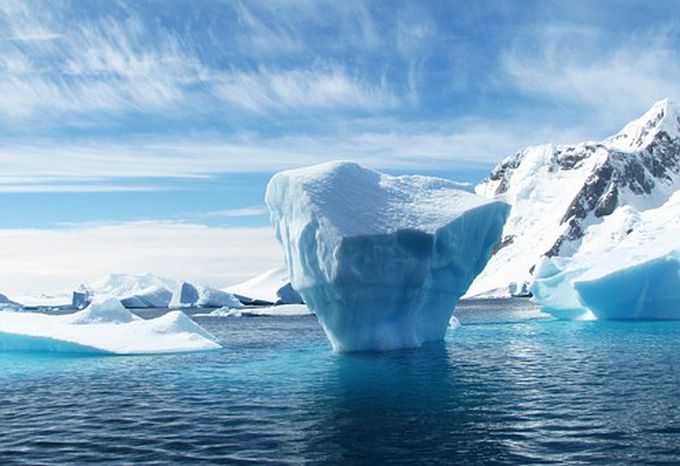
Ever since the ancient Greeks speculated a continent must exist in the south polar regions to balance those in the north, Antarctica has been popularly described as remote and extreme. Over the past two centuries, these factors have combined to…
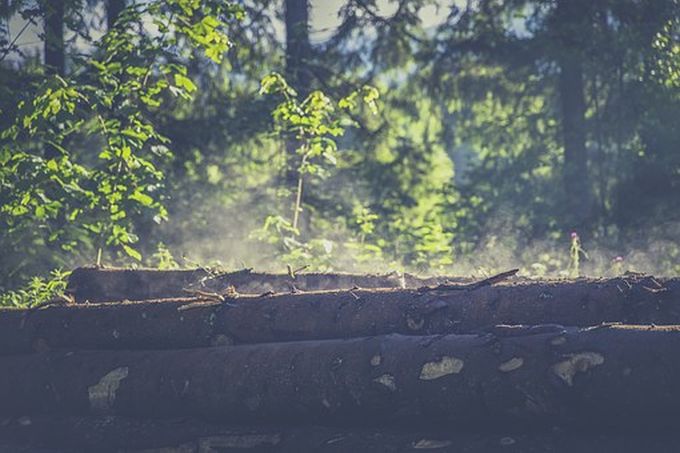
German researchers have confirmed once again that a good forest is a mixed forest, a natural one, with a diversity of species. The more diverse the forest, the better it becomes at doing what forests do. Forests with a greater…
Two of Antarctica’s glaciers are holding our civilization hostage, meteorologist Eric Holthaus wrote in a piece for Grist. Pine Island and Thwaites are among the continent’s biggest and fastest-melting glaciers – and they could unleash 11 feet of sea level…