




hydropower
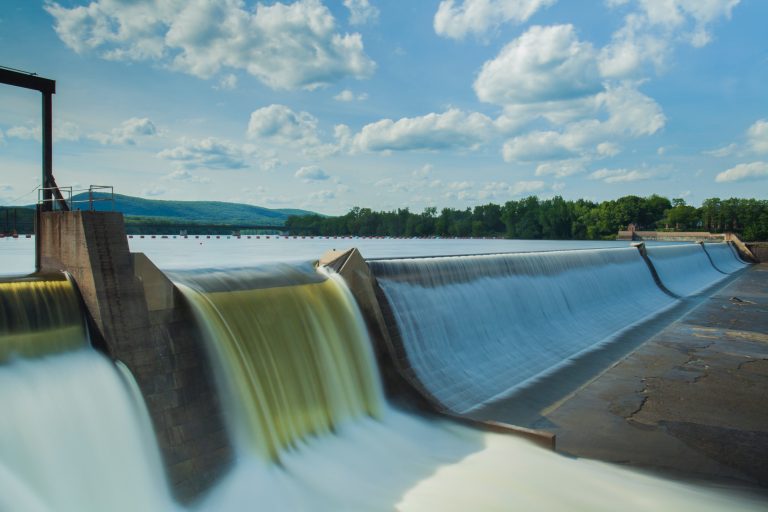
Hydropower from Norway Crucial for All of Europe
Norway generates as much as 90 percent of its electricity from hydropower, placing it among the most sustainable and energy-independent countries in Europe. Thanks to this model, the country plays a key role in Europe’s fight against climate change. The…
Montenegro’s 2024 Energy Balance – Hydrological Challenges and Increased Electricity Consumption
Montenegro’s annual energy balance for 2024 revealed that the country produced less electricity than planned, while consumption increased. A total of 3,446.6 GWh of electricity was generated, which is 4.4 percent less than projected and nearly 15 percent less compared…

Power in Every Drop – How Rain Becomes Electricity
Energy is all around us – in the air, in the waves, and even in the grass beneath our feet. The key question is no longer whether energy exists, but whether we can harness it in the right way. In…
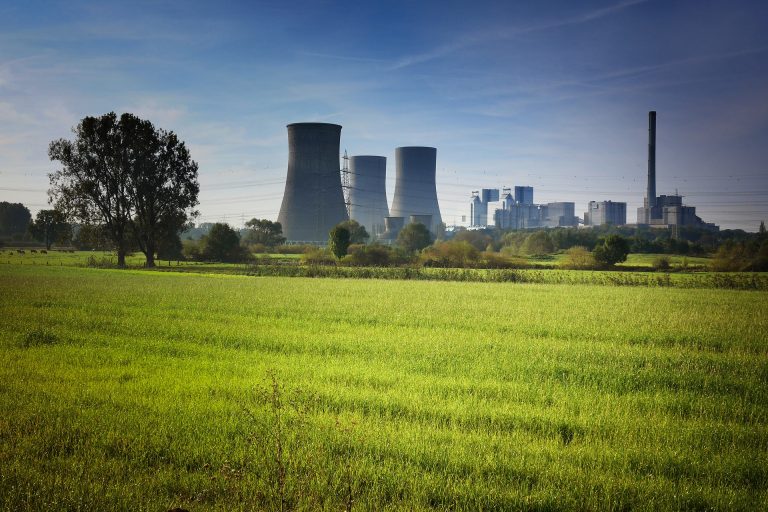
Ghana on Track to Become One of the First West African Countries with a Large-Scale Nuclear Power Plant
Ghana’s current energy mix is primarily based on hydropower and thermal power plants that use gas and petroleum derivatives. Hydropower has traditionally been considered a stable and relatively inexpensive source of electricity in this West African country, while growing electricity…
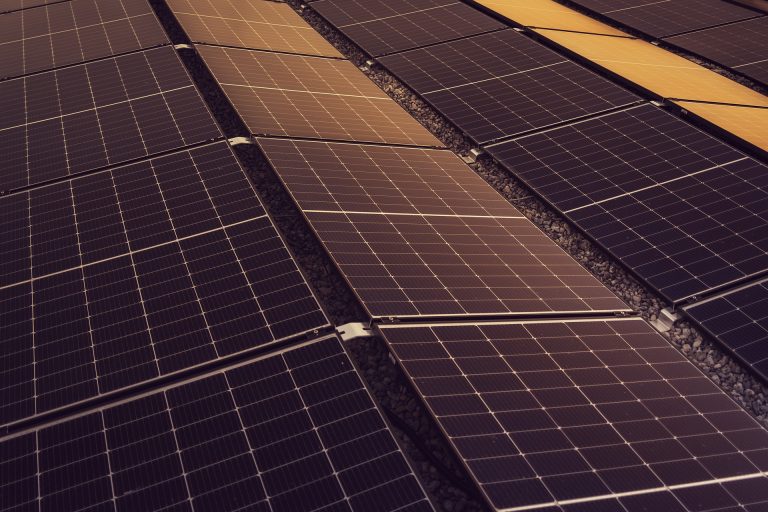
Germany Sets New Record – 62.7 percent of Electricity from Renewables in 2024
According to an analysis by Germany’s Fraunhofer Institute for Solar Energy Systems ISE, the country achieved a new milestone in 2024, with renewable energy sources accounting for 62.7 percent of net public electricity generation. Last year was particularly favorable for…

Serbia’s Green Challenges
Energy transition in Serbia is a complex process that unfolds amidst economic, political, and technological challenges. The National Integrated Energy and Climate Plan sets goals such as achieving a 33.6 percent share of renewable energy in gross final consumption by…
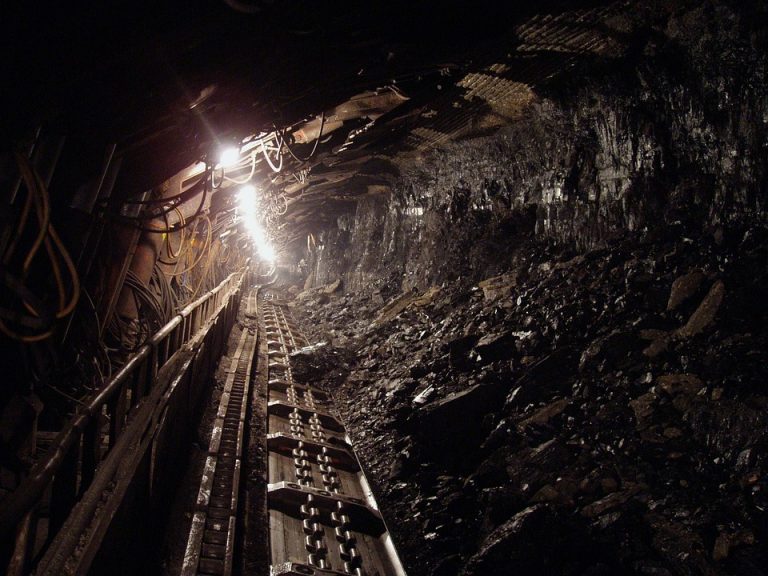
Global coal demand is set to remain broadly flat through 2025
Global coal demand is set to remain broadly unchanged in both 2024 and 2025 as surging electricity demand in some major economies offsets the impacts of a gradual recovery in hydropower and the rapid expansion of solar and wind, according…