



Newsletter Subscribe
Enter your email address below and subscribe to our newsletter

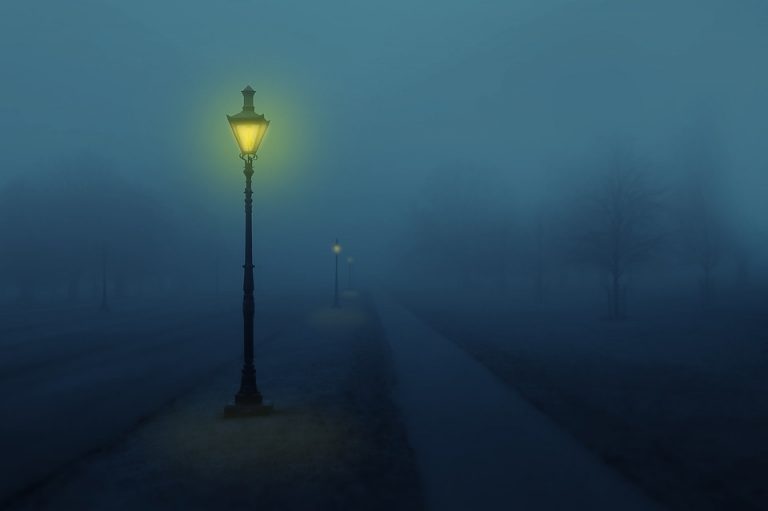
Light pollution is a significant but overlooked driver of the rapid decline of insect populations, according to the most comprehensive review of the scientific evidence to date. Artificial light at night can affect every aspect of insects’ lives, the researchers…
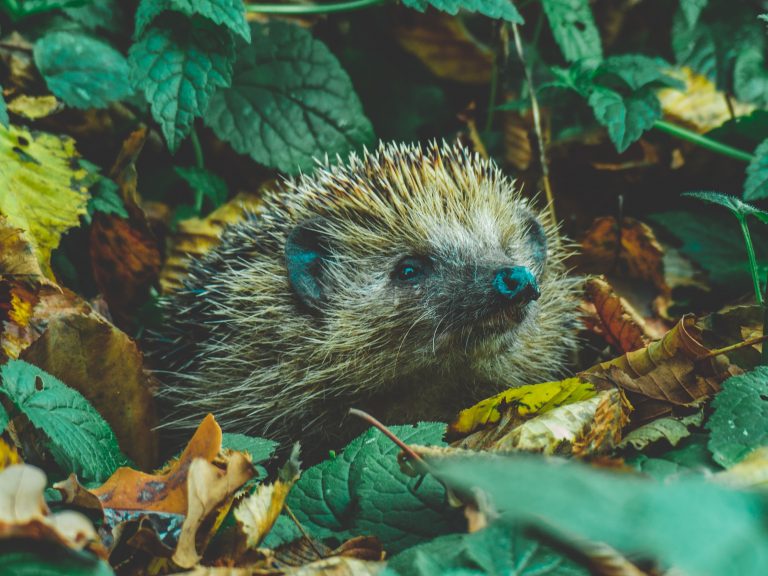
Populations of the UK’s most important wildlife have plummeted by an average of 60% since 1970, according to the most comprehensive analysis to date. The State of Nature report also found that the area inhabited by officially designated “priority species”…
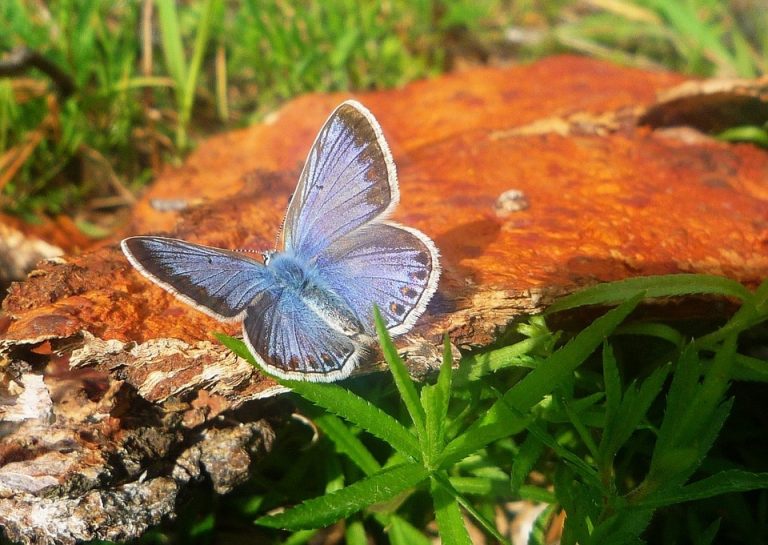
A fast-flying migratory butterfly from the Mediterranean is appearing in large numbers across southern England this summer as a result of global heating, experts say. More than 50 long-tailed blues and hundreds of the butterfly’s eggs have been discovered in…
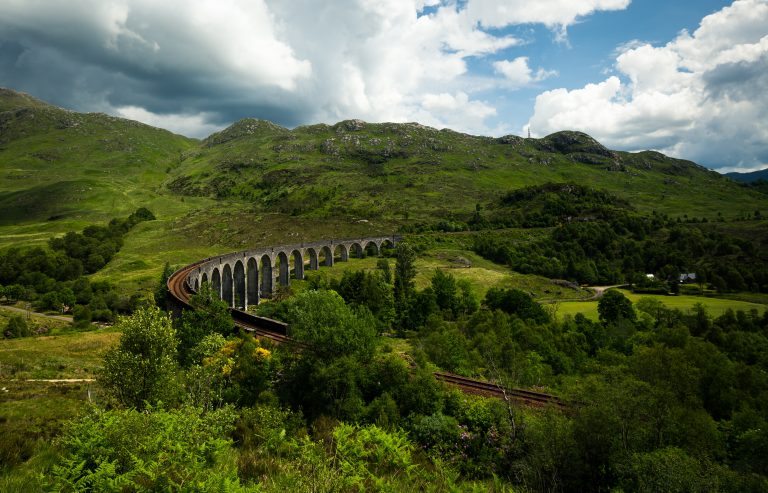
Around the world, forests are shrinking due to deforestation, urban development and climate change, but in Europe that trend has been reversed. Large areas of the continent have seen a forest boom that means today more than two-fifths of Europe…
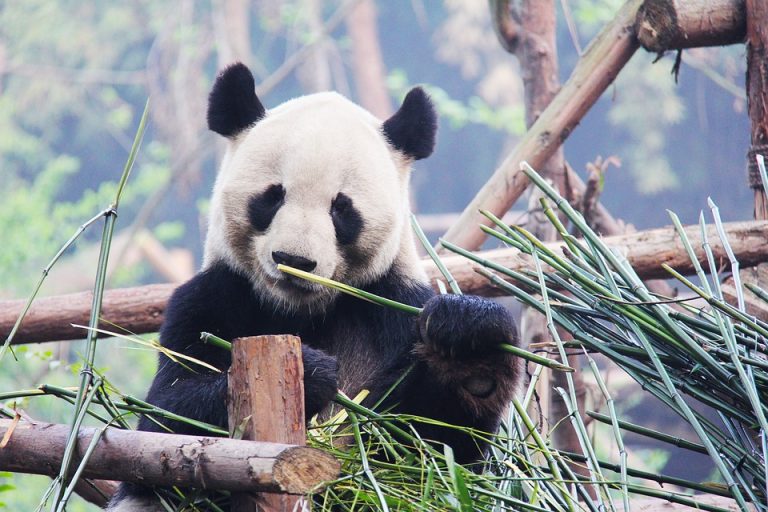
One million plant and animal species are now at threat of extinction. That’s the troubling conclusion reached in a new report from the Intergovernmental Science-Policy Platform on Biodiversity and Ecosystem Services (IPBES), which suggests many of these organisms could die…
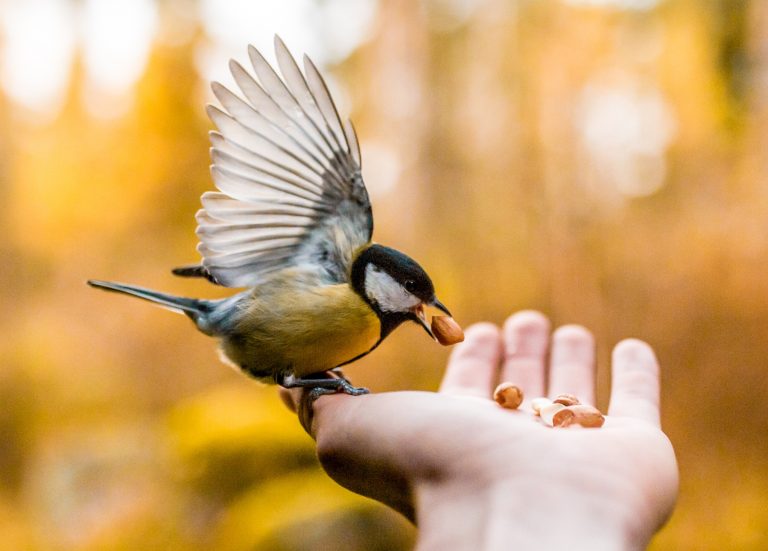
A drop in global biodiversity is putting our ability to produce food at risk, a new United Nations report warns. According to the UN’s Food and Agriculture Organization, biodiversity in food and agriculture “is indispensable to food security and sustainable…
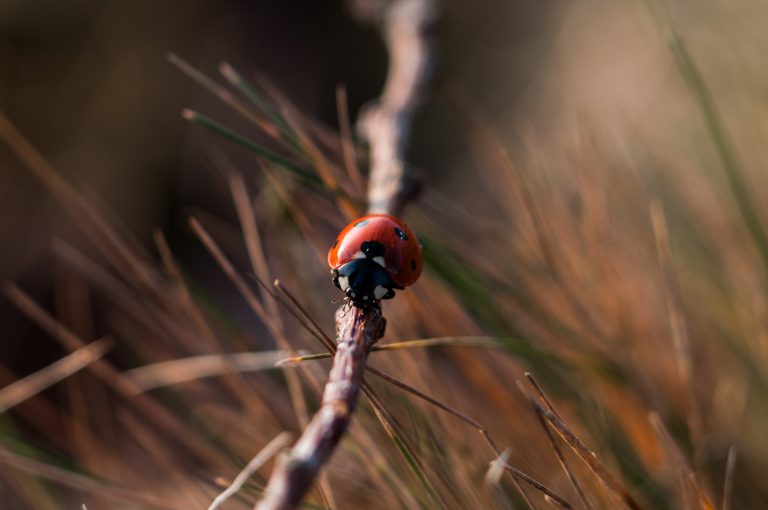
More than 40 percent of the world’s insects could go extinct in the next few decades, according to a report that lead author Francisco Sánchez-Bayo told CNN was the first global review of the threats facing the class that makes…