




mammals
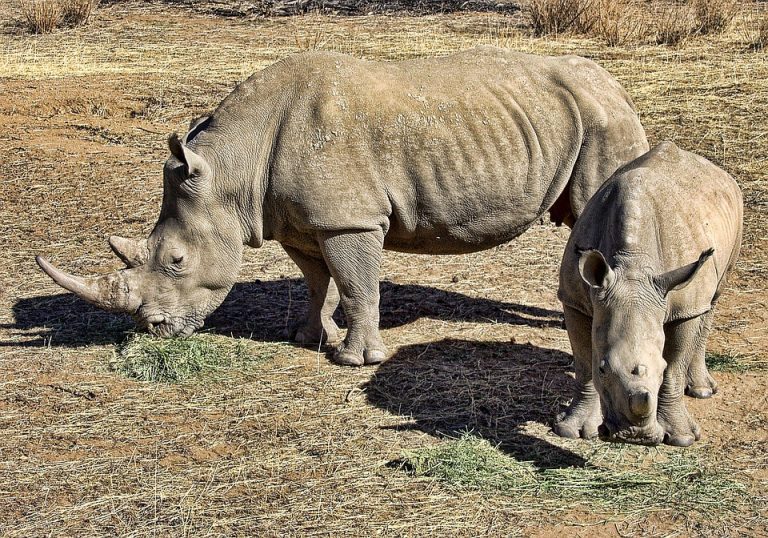
Scientists Grow First Test-Tube Rhino Embryo in Bid to Save Northern White Rhinos from Extinction
When the world’s last remaining male northern white rhino (NWR) died in March, it seemed like the end of the line for the most endangered mammal on the planet. But, in a bid to save the subspecies from extinction, scientists…

What’s Worse Than Palm Oil for the Environment? Other Vegetable Oils, IUCN Study Finds
Banning palm oil in favor of other vegetable oils deemed less destructive to the environment could lead to greater biodiversity losses, a new report says. The report by the International Union for the Conservation of Nature (IUCN) comes amid mounting…
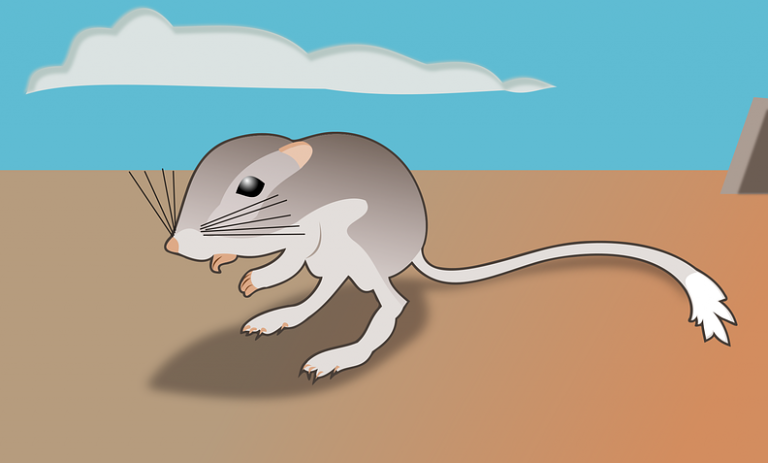
‘Extinct’ San Quintín Kangaroo Rat Still Exists
At dusk, San Diego Natural History Museum mammalogist Scott Tremor set up a few live traps in some abandoned agricultural fields in Baja California, Mexico. With Sula Vanderplank, a botanist and research associate at the museum, and several graduate students…
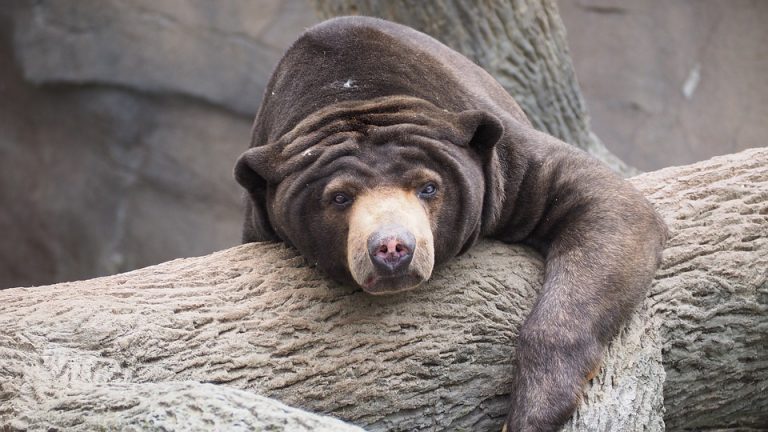
Fear of Humans Is Forcing Daytime Animals into Night Mode
Thanks to human activity, some daytime animals are switching over to the night shift. Justin Brashares noticed it first in 2013, when he was studying olive baboons in Ghana: during times that humans were around, the primates stayed up long…
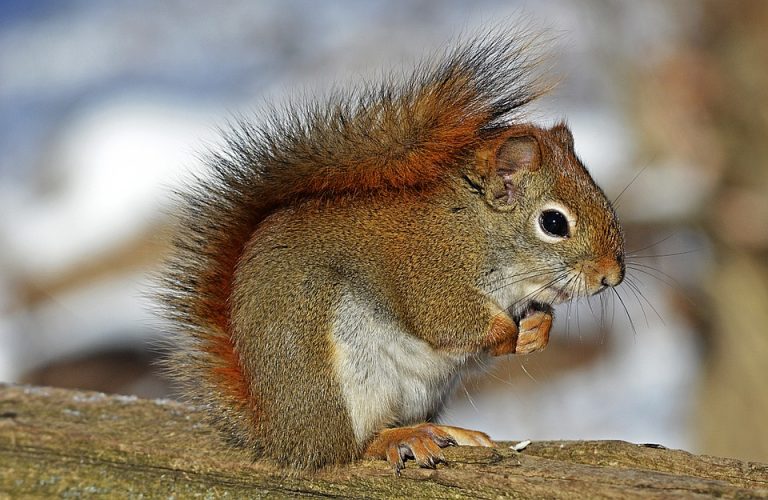
One-Fifth of Britain’s Mammals Could Be Extinct in 10 Years
One-fifth of UK mammals could go extinct within a decade, according to the most comprehensive report in 20 years released Wednesday by The Mammal Society and Natural England. The report found that the Scottish wildcat, black rat and greater mouse-eared…

Avoiding Meat and Dairy Is ‘Single Biggest Way’ to Reduce Your Impact on Earth
Avoiding meat and dairy products is the single biggest way to reduce your environmental impact on the planet, according to the scientists behind the most comprehensive analysis to date of the damage farming does to the planet. The new research…
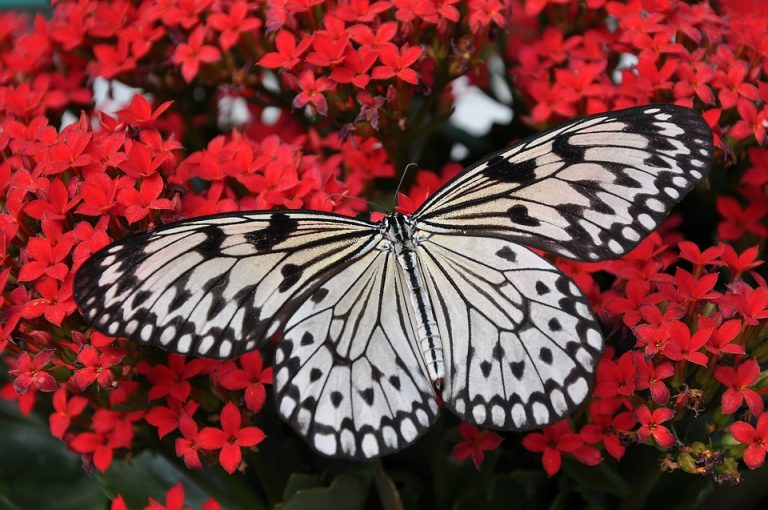
Climate Change on Track to Cause Major Insect Wipeout, Scientists Warn
Global warming is on track to cause a major wipeout of insects, compounding already severe losses, according to a new analysis. Insects are vital to most ecosystems and a widespread collapse would cause extremely far-reaching disruption to life on Earth,…