


Newsletter Subscribe
Enter your email address below and subscribe to our newsletter

Enter your email address below and subscribe to our newsletter
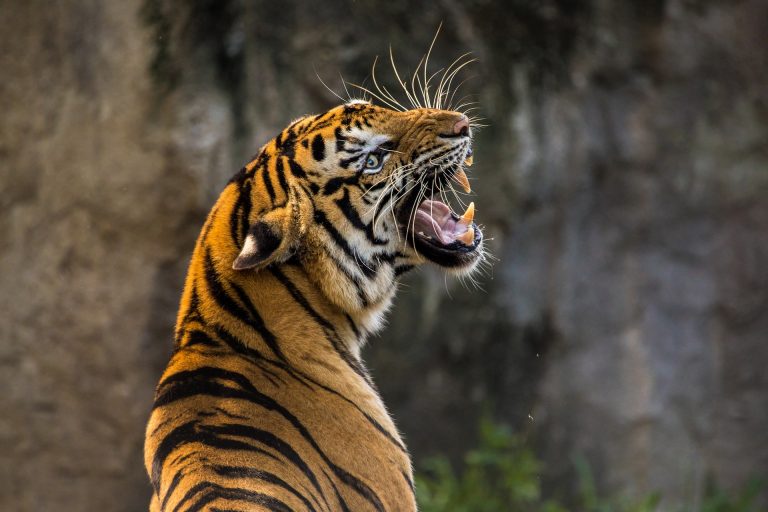
The tiger that leapt on Bhadai Tharu in the forests of Nepal took the sight from his left eye with a swipe of a paw. But it also helped the community leader understand that people must leave room for nature…
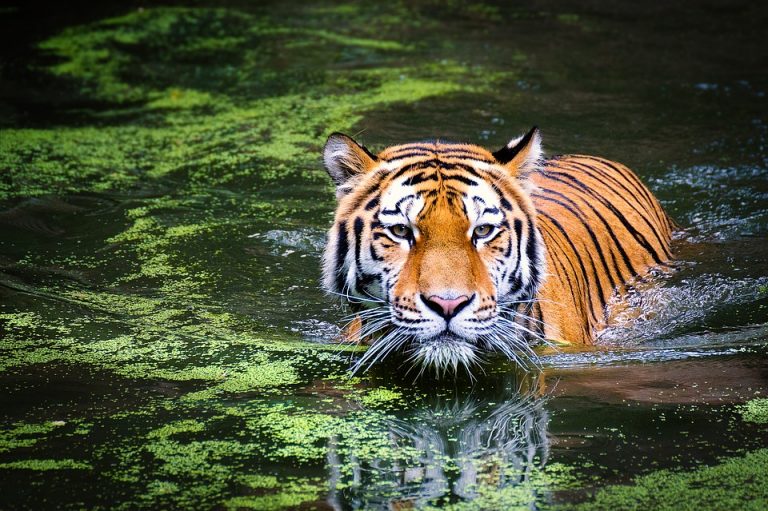
WWF is delighted to congratulate Nepal for successfully doubling its tiger population to an estimate of 355 individuals – an increase of more than 190 per cent since 2009. Those are the results published in Nepal’s National Tiger and Prey…
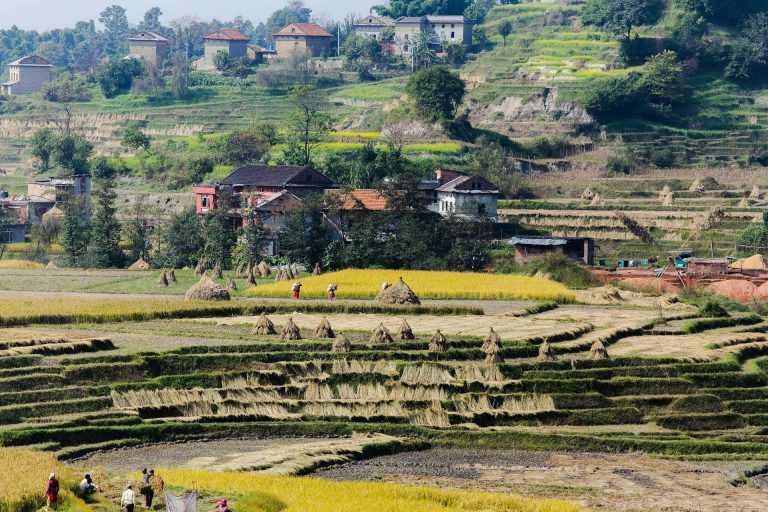
Cities have always had to conform to their natural surroundings. Traditional Moroccan housing was designed with open air courtyards to help with ventilation in the dry and hot climate. While in Iceland, turf houses covered in grass— the original “green…
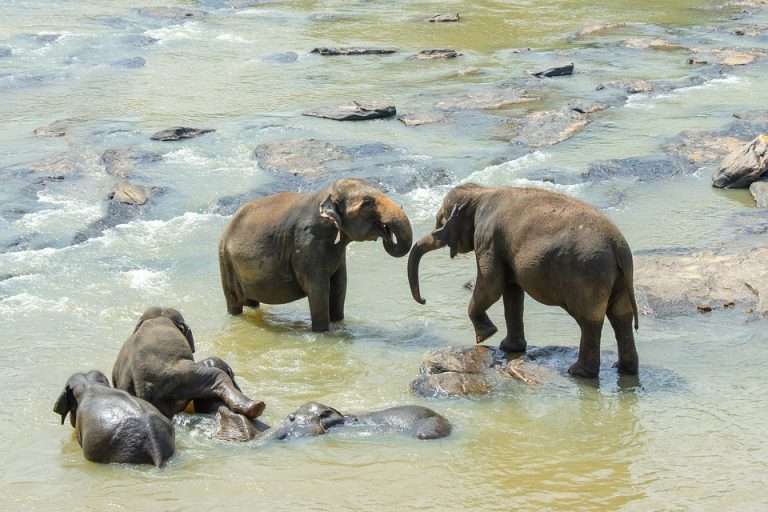
Ten migratory species added to global wildlife agreement including the Asian Elephant, Jaguar and Great Indian Bustard Gandhinagar declaration sends strong message on importance of migratory species for new global biodiversity strategy The Thirteenth Meeting of the Conference of the…

“The World Population Prospects 2019: Highlights”, estimates that the next 30 years will see the global population add an extra 2 billion people to today’s figure of 7.7 billion, and, by the end of the century, the planet will have…
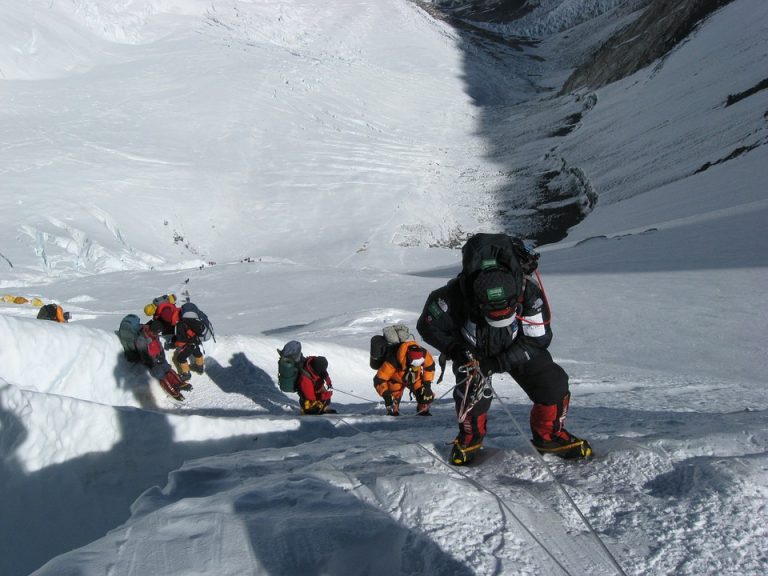
China has closed its Everest base camp to tourists because of a buildup of trash on the world’s tallest mountain. The move comes as the Tibet Autonomous Region Sports Bureau said it had collected 8.4 metric tons (approximately 9.3 U.S.…
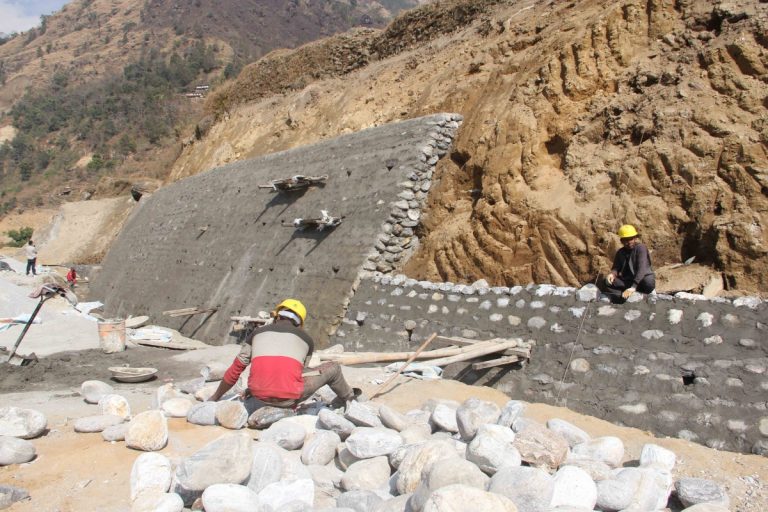
During 2015 Nepal earthquake, the hydropower sector experienced severe losses. The country temporarily lost about 20 per cent of its hydropower capacity and more than 30 hydropower projects were damaged. The projects, which were affected by earthquake‐triggered landslides, were the…