

Newsletter Subscribe
Enter your email address below and subscribe to our newsletter


P aper is often presented as an environmentally friendly alternative to plastic, especially when it comes to packaging. However, even paper waste, if not properly managed, remains a source of pollution in its own way. Printing houses, as a sector…

Once again, scientists have surprised us with new findings about microplastics – and this time, they are far from reassuring. A study conducted by the American Academy of Neurology has revealed a concerning link between the presence of marine microplastics…
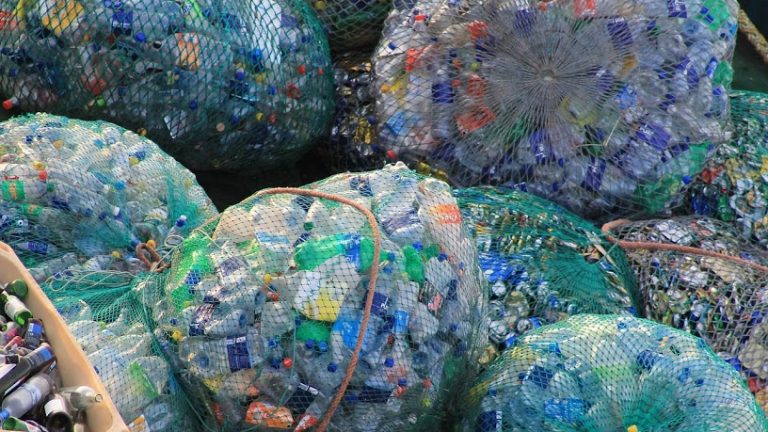
Eight out of ten items currently on my random desk are made of plastic—the only exceptions being a glass cup and the chocolate wrapper I just finished eating. Plastic has become so omnipresent in our lives that it’s not only…
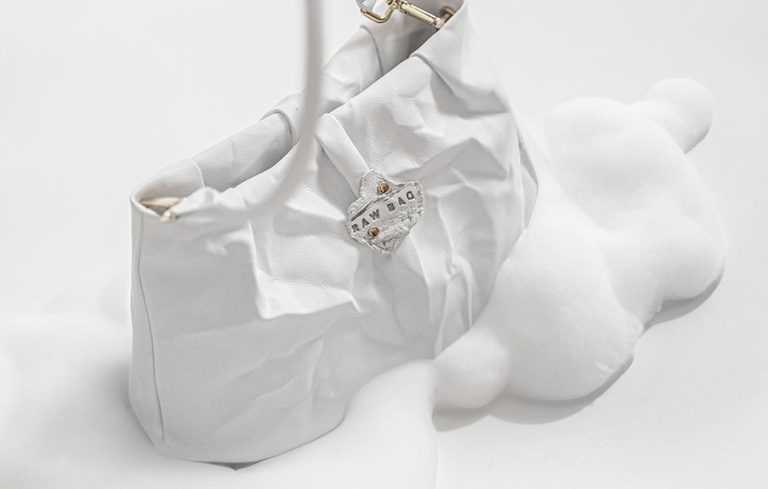
I n a world where fashion changes faster than ever, the pressure on natural resources and the environment is increasing. The fashion industry, known for its dynamism and innovation, is among the largest polluters globally. For this reason, sustainable fashion…
The idea of bioplastics is not new – for some time, environmentally oriented scientists have been trying to develop a fully recyclable replacement for plastic as we know it today. Researchers from Hokkaido University in Japan significantly contributed to these…

The global petrochemical industry – essential to the production of clothing, tyres, detergents, fertilisers, and countless other everyday products – is currently going through a momentous period of transition. Driving this change is a towering wave of new petrochemical plants,…

A new commentary published in The Lancet Diabetes & Endocrinology shows how three global health threats – chemical pollution (including endocrine disrupting chemicals), loss of biodiversity and climate change – are more strongly interlinked than previously thought by their common…