
Newsletter Subscribe
Enter your email address below and subscribe to our newsletter

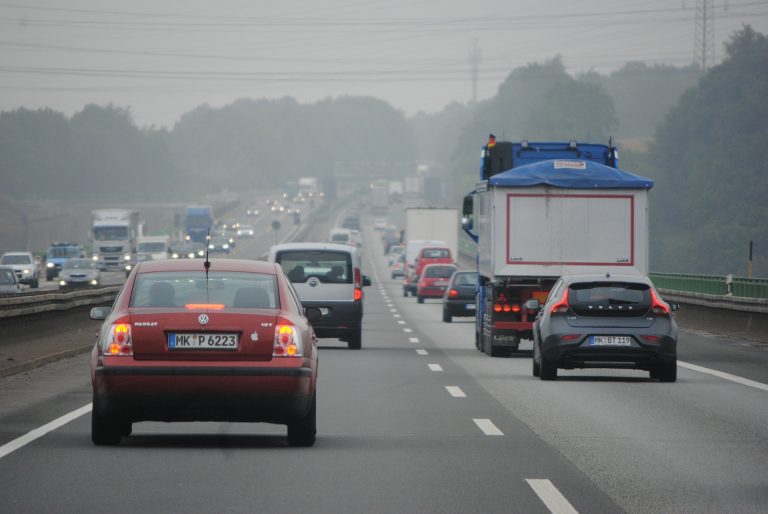
Air pollutants come from a variety of sources, including human-caused emissions – like fossil fuel use in vehicles and cooking – and natural sources, such as dust storms and smoke from wildfires and volcanoes. Air quality monitors are outfitted with…
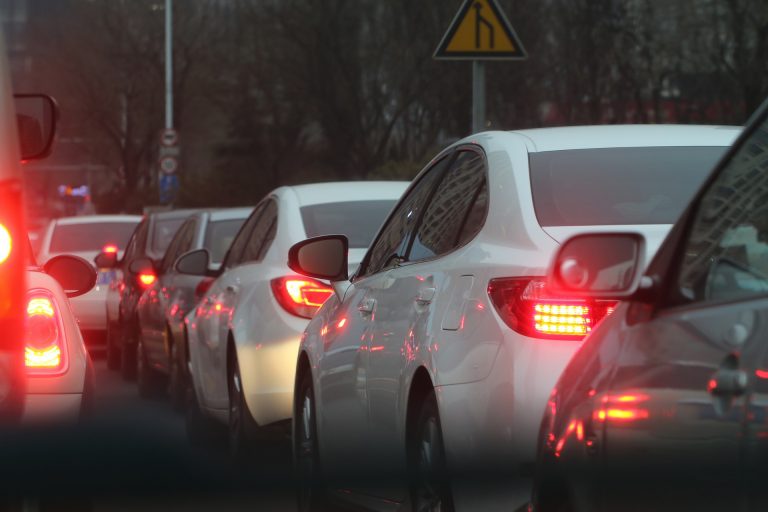
With extreme heat, floods and fires, the highest inflation in decades, unprecedented energy price-hikes, a looming energy shortfall and a war on European soil, the world feels like it’s at a crossroads. We certainly need all hands on deck to…

Reducing support for the fossil fuel industry and, on the other hand, understanding and supporting those sectors of the economy that have a significant impact on reducing pollution and climate change enable the financial sector to make a decisive impact in…
Cities, which occupy just 3 percent of the Earth’s land, account for up to 80 percent of energy consumption and 75 percent of carbon emissions. By 2050, nearly 70 percent of the global population is expected to live in urban…
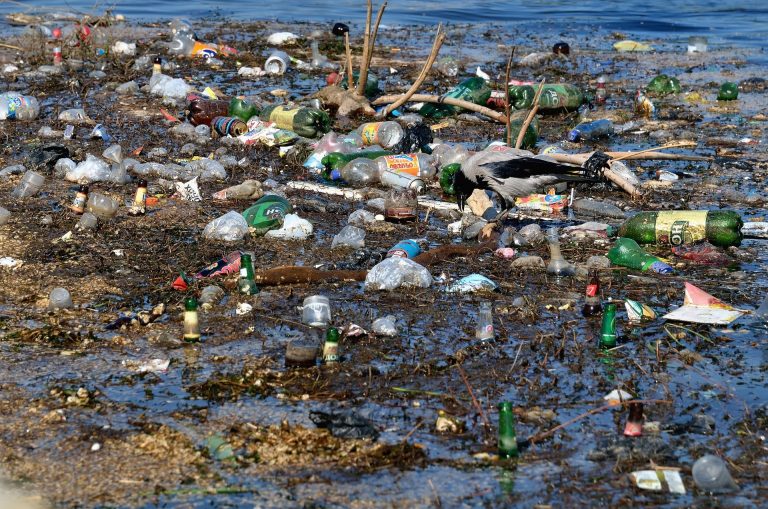
Since the 1950s, innovations like synthetic fertilizers, chemical pesticides and high-yield cereals have helped humanity dramatically increase the amount of food it grows. But those inventions would be moot without agriculture’s most precious commodity: fresh water. And it, say researchers, is…
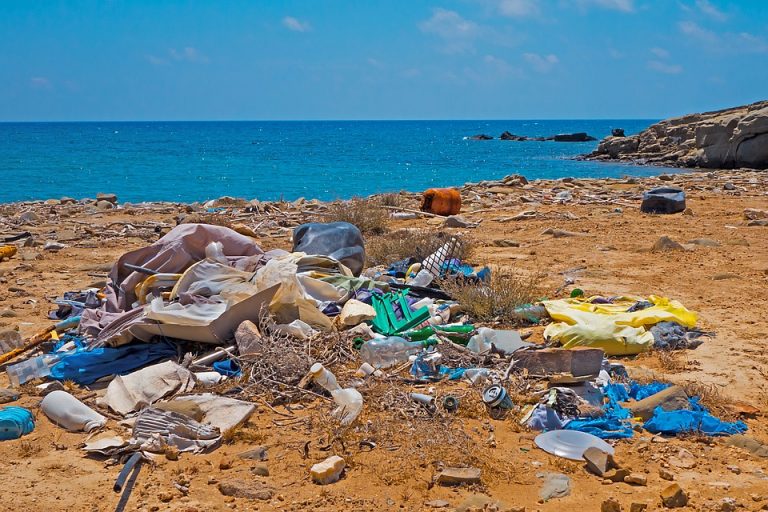
The UN Environment Programme (UNEP) and the European Investment Bank (EIB) launched the Global Environment Facility (GEF) Mediterranean Pollution Hot Spots Technical Assistance initiative, which aims to reduce pollution in the Mediterranean marine and coastal environment. As part of the…
At a session, the government of the Republic of Serbia passed an amended decision on temporary restriction of exports of basic agri-food products important to the population. Given that Serbia, like many other countries, is facing increasing challenges due to…