


United Nations Environment Programme (UNEP)
Share
The UN Biodiversity Conference: The Road to a Bold New Agreement for Nature
Healthy, biodiverse ecosystems sustain life on Earth by providing air, water and other essential elements. From forests to farmlands to oceans, the planet’s ecosystems are the basis of resources, services and industries. Despite the value nature provides, it is being…
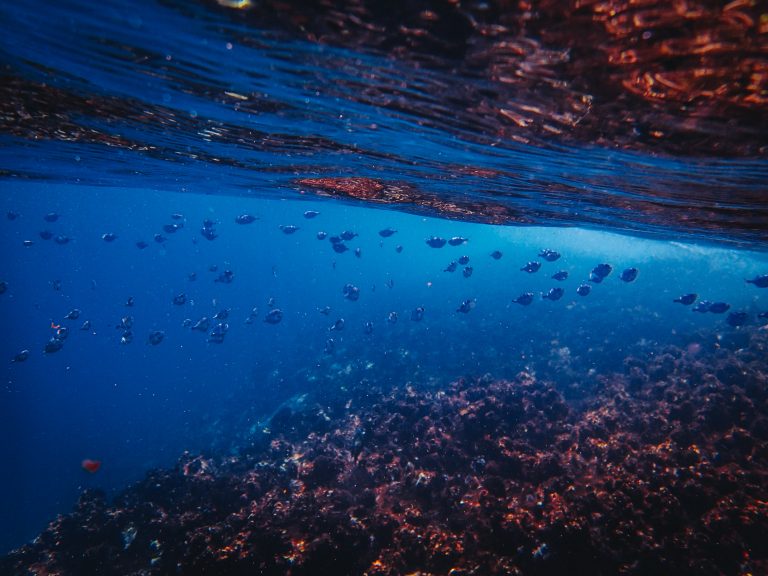
5 Reasons Why a Healthy Ocean is Linked to Human Rights
We live on a blue planet, with oceans and seas covering more than 70 percent of the Earth’s surface. Oceans feed us, regulate our climate, and generate most of the oxygen we breathe. But growing threats such as marine pollution,…
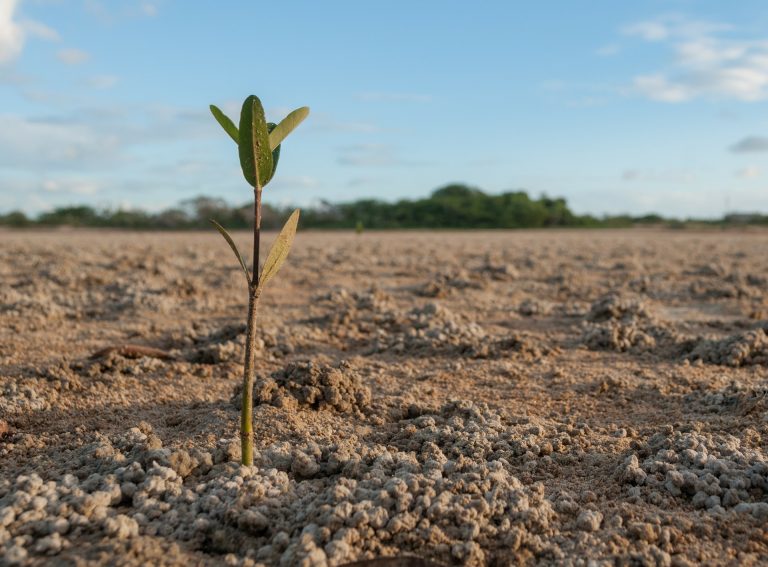
Pakistan Restores Mangroves for Economy and Ecosystem Benefits
Tahir Qureshi had many nicknames. Father of the Mangroves. Mangrove Man. The mangrove hero of Pakistan. All reflect a life dedicated to the conservation and restoration of Pakistan’s mangroves. As Pakistan prepares to host World Environment Day on June 5,…
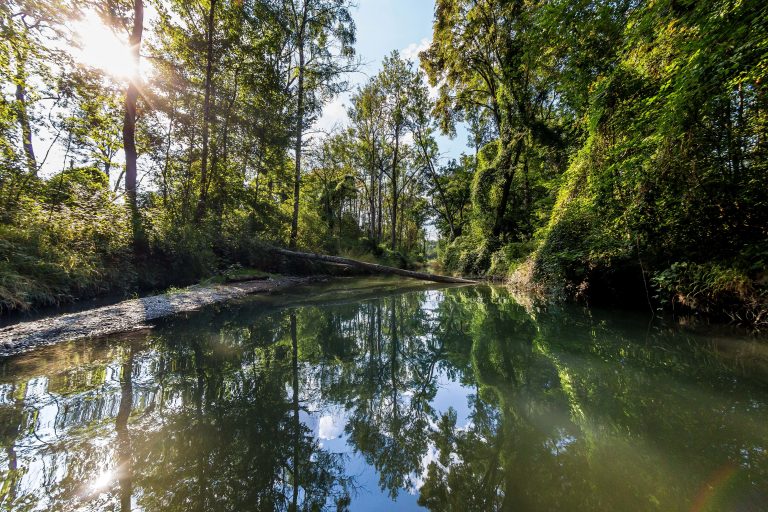
New Fund Leverages Nature to Adapt to Climate Change
The UN Decade on Ecosystem Restoration is launching in June this year. The goal is ambitious – to trigger a global movement for restoring the world’s ecosystems. This is not merely for nature’s sake, say experts. Mounting evidence shows that…
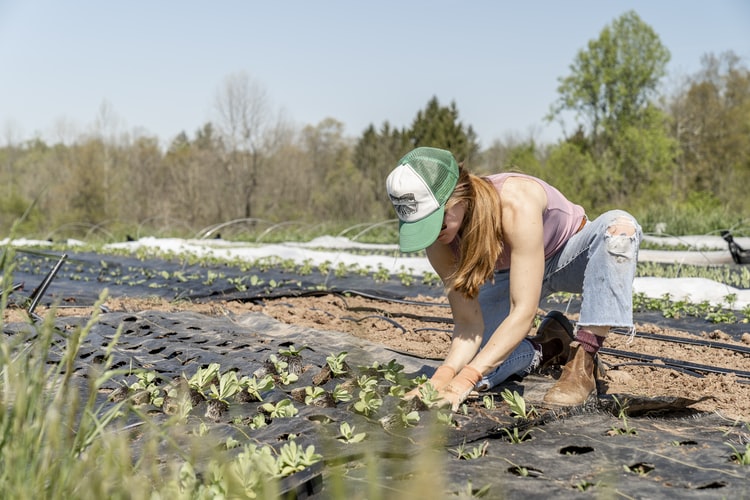
Green Shoots: Are COVID-19 Recovery Funds Helping the Environment?
In the last year, governments have pledged trillions of dollars in COVID-19 relief, creating what some observers have called a once-in-a-generation chance to make planet-friendly investments—and save the Earth from a looming environmental catastrophe. But, that doesn’t mean the path…
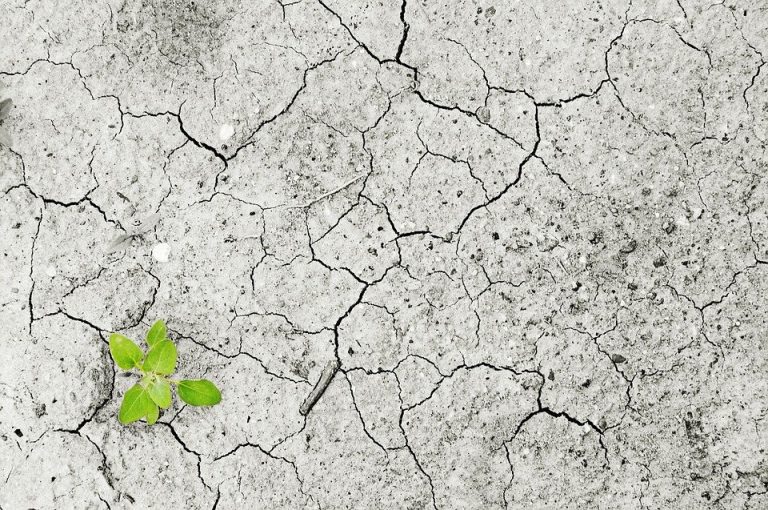
Soil Pollution a Risk to Our Health and Food Security
Each year, the world marks World Soil Day on 5 December to raise awareness about the growing challenges in soil management and soil biodiversity loss, and encourage governments, communities and individuals around the world to commit to improving soil health.…
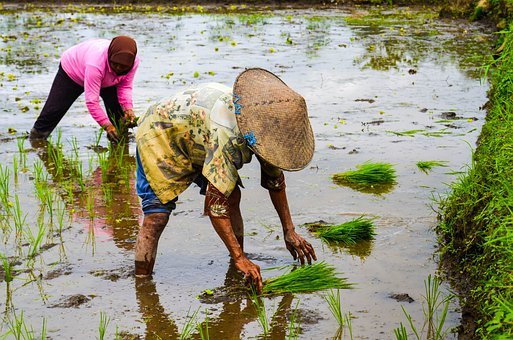
New Strains of Rice Could Address Climate Change
Rice is a staple for more than 3.5 billion people, including most of the world’s poor. But it can be a problematic crop to farm. It requires massive amounts of water and the paddies in which it grows emit methane,…