Newsletter Subscribe
Enter your email address below and subscribe to our newsletter

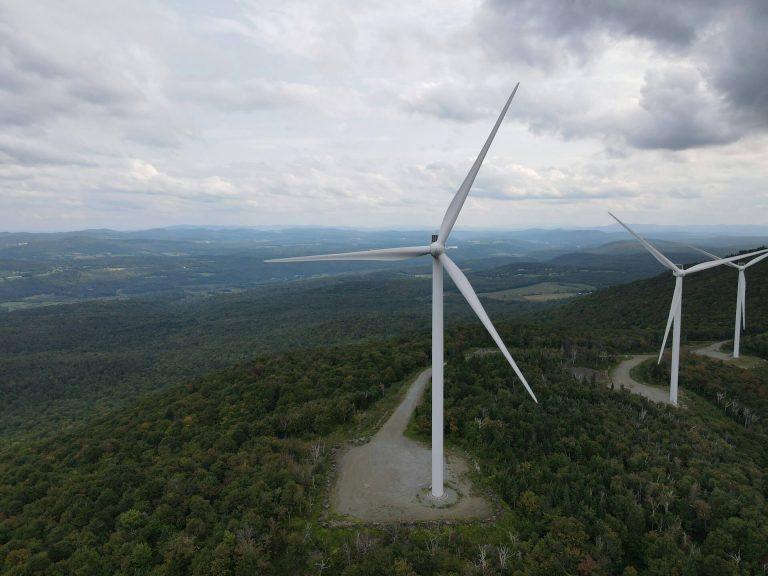
In the first half (H1) of 2024 Europe added 6.4 GW of new wind energy capacity: 5.3 GW onshore and 1.1 GW offshore. The EU-27 built 5.7 GW of this: 4.7 GW onshore and 1 GW offshore. Germany built the…

Wind energy brings jobs and value creation to deprived rural and coastal communities. Eastern Germany is a classic example of a region that has benefited. WindEurope saw this first hand on a recent visit to Rostock. And there are many…
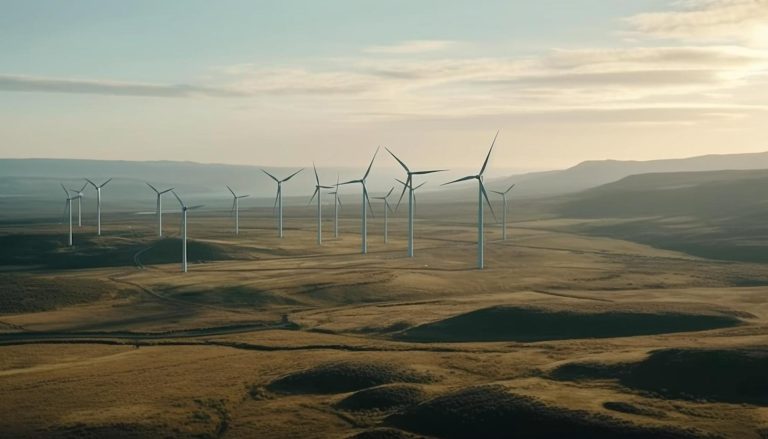
On 30 June all 27 Member States were due to submit the final version of their National Energy and Climate Plans (NECPs). This comes after the European Commission had reviewed their draft plans. The NECPs outline the national strategies countries…

The EU wants to increase its wind energy capacity from 220 GW today to 425 GW by 2030 and 1,300 GW by 2050. Wind is key to energy security, affordable electricity and industrial competitiveness. In its recent revision of the…

I started my visit to Portugal in Lisbon, one of the world’s oldest and most beautiful cities in the world. Thanks to the Pulse of Europe project – Media Trips to the EU, I had a unique opportunity to get…
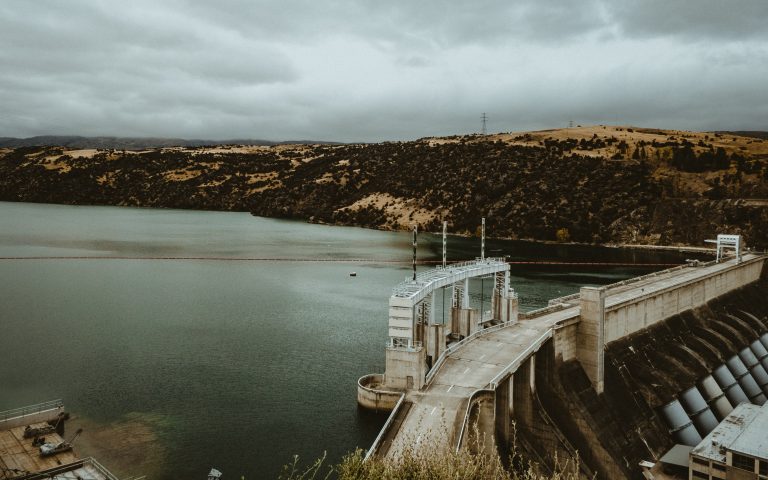
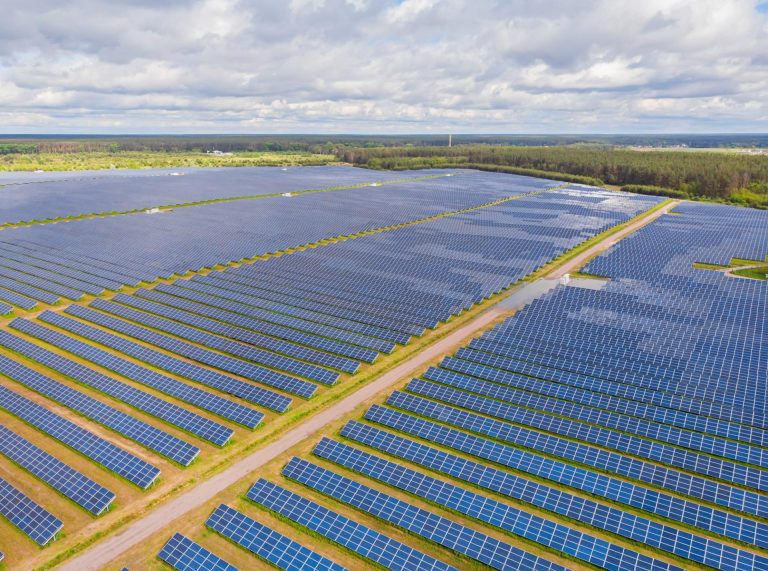
In this article, I will focus only on those electricity sources that use renewable energy, which I know relatively well. These are small hydroelectric power plants, wind farms, solar power plants and power plants that use biomass that they burn…
The energy transition is a serious, complex, and longterm process that must be fair. It happens on two tracks – electric power through the construction of new renewable energy sources capacities and reduction of the use of fossil fuels, as…