


World Health Organization (WHO)

These Five Cities Are Taking Aim at Air Pollution
Around the world, more than 90 percent of people breathe in air that the World Health Organization (WHO) considers potentially harmful. While the source of air pollution varies – some come from vehicle emissions, some from power plants, some from…
New WHO-IUCN Expert Working Group on Biodiversity, Climate, One Health and Nature-based Solutions
Leading experts engaged in the science-policy interface of public health, biodiversity, and climate change will collaborate in an innovative initiative led by the WHO and IUCN to help guide decision makers toward a healthier, greener and more sustainable future as…

Urban Fish Ponds: Low-Tech Sewage Treatment for Towns and Cities
In the mid 20th century, whole cities’ sewage systems safely and successfully used fish to treat and purify their water. Waste-fed fish ponds are a low-tech, cheap, and sustainable alternative to deal with our own shit — and to obtain…
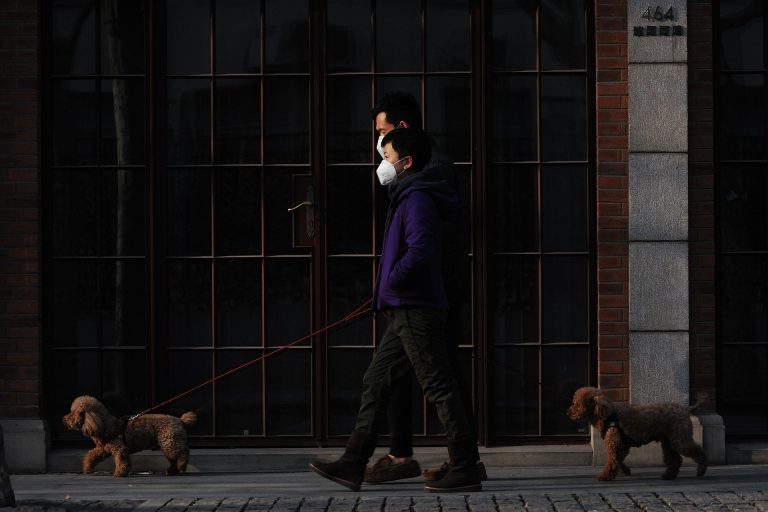
How WHO is Working to Track Down the Animal Reservoir of the SARS-CoV-2 Virus
The introduction of a new virus to the human population is one of the greatest mysteries an epidemiologist can hope to unravel. Some of the most common and deadliest human diseases are caused by bacteria or viruses of animal origin.…

10 Things You Should Know About Industrial Farming
There was a time when industrial agriculture seemed to be a panacea for a fast-growing world. Synthetic fertilizers, chemical pesticides and high-yield cereal hybrids promised to reduce hunger, accommodate growing populations and stimulate economic prosperity. Between 1960 and 2015, agricultural…

Clean Air and Green Jobs in Latin America and the Caribbean Thanks to E-Mobility
The transport sector is responsible for 15 per cent of greenhouse gas emissions in the region. New report calls to prioritize the electrification of public transport, especially when updating old bus fleets. Electric mobility could foster new investments and jobs,…

Back in the Saddle
The COVID-19 pandemic has limited our movement and activities. Recreational sports around the world have been thrown into a deep freeze, shuttering everything from tennis clubs to weekend football leagues. But one diversion that remains pandemic-approved: cycling. The World Health…