


Newsletter Subscribe
Enter your email address below and subscribe to our newsletter

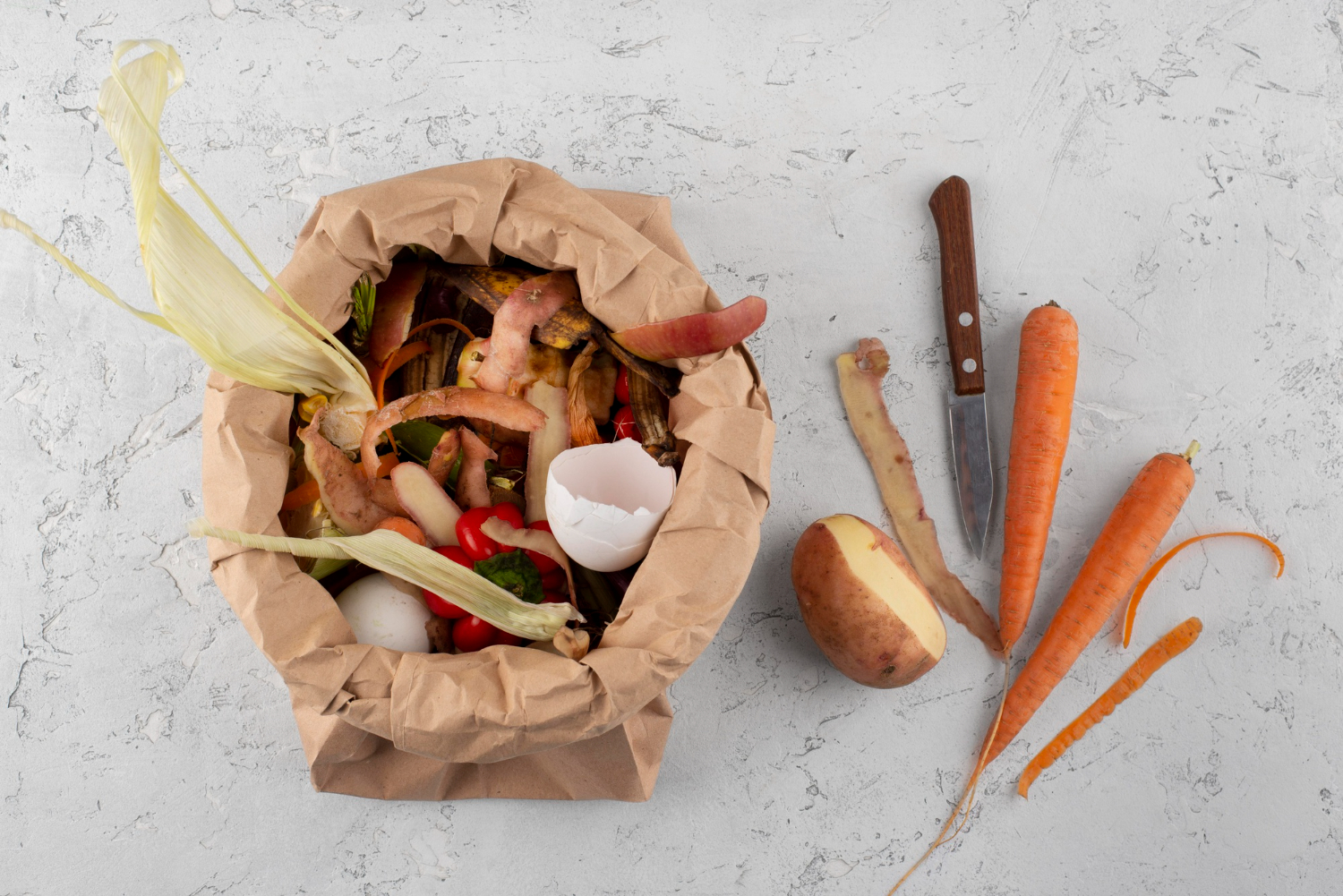
A portion of food that never makes it to the plate has a much greater impact than it might seem at first glance. Every bite we throw away contributes to methane emissions – a gas with roughly 28 times the global warming potential of carbon dioxide. Consequently, food waste significantly contributes to global warming. Specifically, about eight percent of human-induced greenhouse gas emissions come from food loss and waste, according to Project Drawdown.
The idea of reusing food scraps is not new. For centuries, people have made compost and natural fertilizers, returning nutrients to the soil. However, the concept of upcycled food is more recent and introduces a different approach. Instead of using food waste to enrich soil with nutrients, it is recycled into new, nutritious products intended for human consumption. Additionally, recycled ingredients can also be used in animal feed, pet food, cosmetics, home care products, and much more.
This concept combines innovation, technology, and ecology. Ingredients used include:
The Upcycled Food Association (UFA) is an organization that promotes upcycling as one of the most important solutions to mitigate the climate crisis. Their role is to coordinate hundreds of companies around the world to prevent food waste and to empower consumers to make a difference with their purchases.
Food produced in this way can sometimes cause skepticism among the public due to how it is made. That’s why UFA also focuses on educating and empowering millions of consumers worldwide to choose such products. As a guarantee of quality, the association issues Upcycled Certified certificates – the only globally recognized third-party certification for upcycled foods.
The goal is for these certified products to become attractive to consumers – products that bring value not only to them but also to the environment.
While billions of tons of food end up as waste, millions of people still go hungry, and climate change threatens to make this injustice even worse. Upcycled food is a way to simultaneously reduce greenhouse gas emissions and help provide food for those who need it most.