



Newsletter Subscribe
Enter your email address below and subscribe to our newsletter


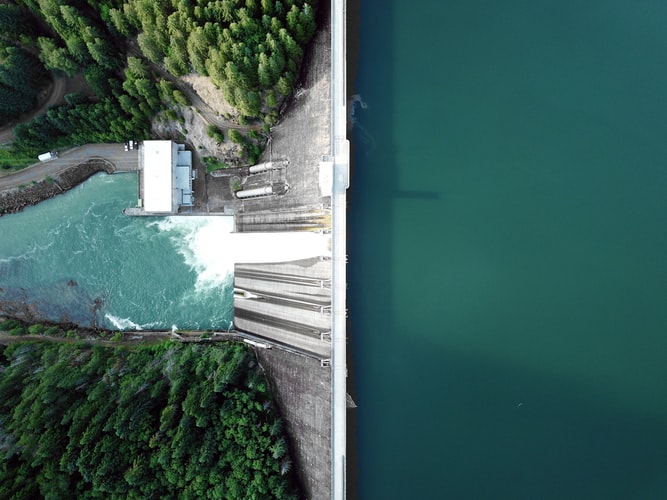
The further development of renewable energy in Europe largely depends on expanding the electricity grid, which has become a major bottleneck for connecting new projects in many countries. However, a new report by Ember shows that existing hydropower plants in seven European Union countries could accommodate an additional 25 GW of wind and solar capacity without the need for new grid infrastructure, through the hybridisation of existing facilities.
Austria, Bulgaria, France, Italy, Portugal, Romania and Spain together account for 93 GW of hydropower capacity. According to the report, hybridisation could enable these countries to integrate nearly 18 percent of the new renewable energy capacity expected by 2030, without placing additional strain on the electricity grid.
The potential for this approach lies in the fact that hydropower plants operate well below the full capacity of their grid connections for much of the time. On average, they run at just 19 percent of their maximum output, leaving ample room for wind and solar installations to share the same grid connection and significantly improve the utilisation of existing infrastructure.
However, the regulatory framework for such projects remains underdeveloped. According to the report, only Portugal and Spain have dedicated rules for hybrid renewable projects, while the remaining five countries still lack the necessary regulatory framework.
Ember argues that adopting appropriate legislation, streamlining permitting procedures, and prioritising hybrid energy projects could significantly accelerate renewable energy deployment while making more efficient use of the existing electricity grid infrastructure.
Energy portal