



Strengthening the Role of Women in Forestry Through the Fem2Forests Project
Share
The project Innovative Pathways for the Effective Involvement of Girls and Young Women in the Forestry Sector (Fem2Forests) aims to increase women’s participation in forestry by 2030 through empowerment, education, and the creation of a more inclusive professional environment. Given that the forestry sector is still predominantly marked by gender stereotypes and the unequal representation of women in managerial and operational positions, the project promotes equal opportunities and the professional development of women through innovative approaches, knowledge exchange, and networking.
Fem2Forests brings together 14 partners from nine countries of the Danube region and is co-financed by the European Union through the Interreg Danube Transnational Program. The implementation of project activities in Bosnia and Herzegovina is led by FEA – Forestry and Environmental Action, with support from its associated partner, the Faculty of Forestry at the University of Sarajevo. The activities focused on raising awareness of forestry as a dynamic and promising field, particularly among young people, and on bringing the sector closer to girls and young women by presenting realistic career paths and successful professional role models.
In the context of Bosnia and Herzegovina, where the forestry sector faces challenges such as an aging workforce and limited inflows of new personnel, such initiatives add value by directly expanding the pool of potential experts and strengthening capacities for sustainable forest management.
As part of the project, two pilot activities were implemented to strengthen the visibility of women in forestry and motivate young people to pursue careers in this sector.
The first pilot activity, entitled Inspiration Corner – Career Stories of Students, focused on promoting the diversity of professional paths in forestry through digital content. In cooperation with the Faculty of Forestry at the University of Sarajevo, a special section titled “Career Stories of Students” was created, presenting nine authentic stories of male and female professionals in the sector, including six women and three men. The stories cover different areas of activity – from academic and research work, through public institutions and the private sector, to engagement in international organizations – thereby showing the breadth of career opportunities in forestry.
IN FOCUS:
- A Story of Sustainable Art Woven into Papier-Mâché Objects
- Is the Western Balkan Energy Market Moving Away from the European Union?
- Electromobility in Serbia Enters a New Phase of Development: Fast Charging Is Becoming the Standard
To make the content as accessible as possible to the target group, QR codes linking directly to the digital stories were created and distributed, and the materials were shared across more than eight secondary vocational forestry schools. The activity achieved significant reach, with more than 500 social media interactions and over 250 QR code scans, indicating strong interest among young people in this form of communication.
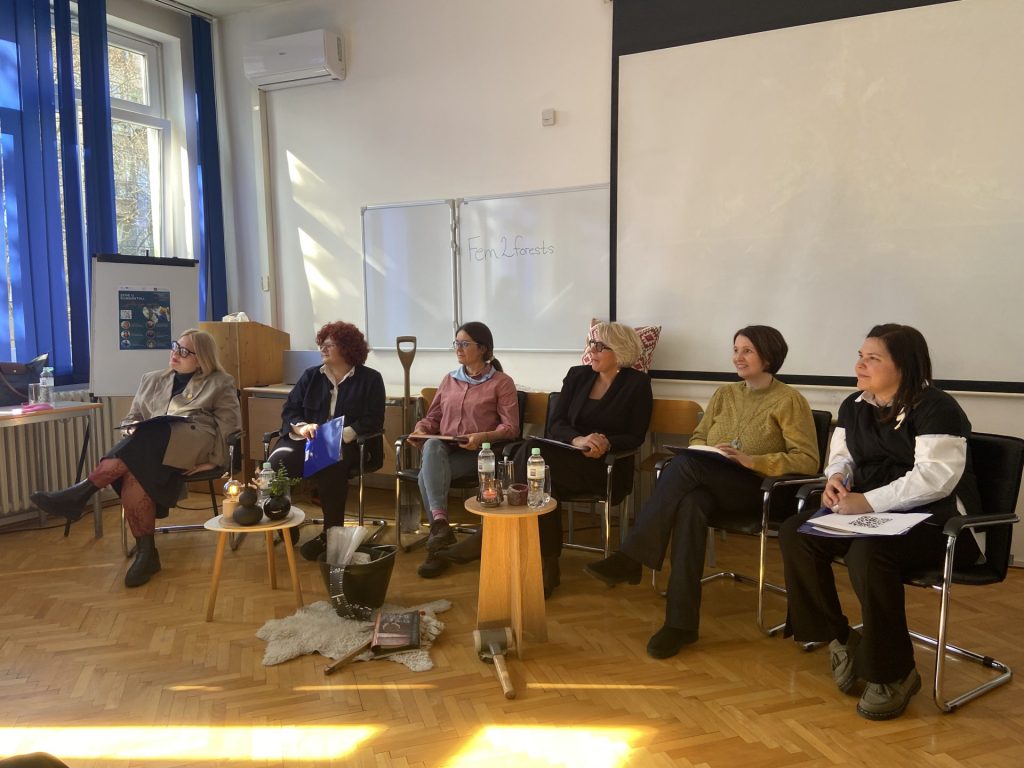
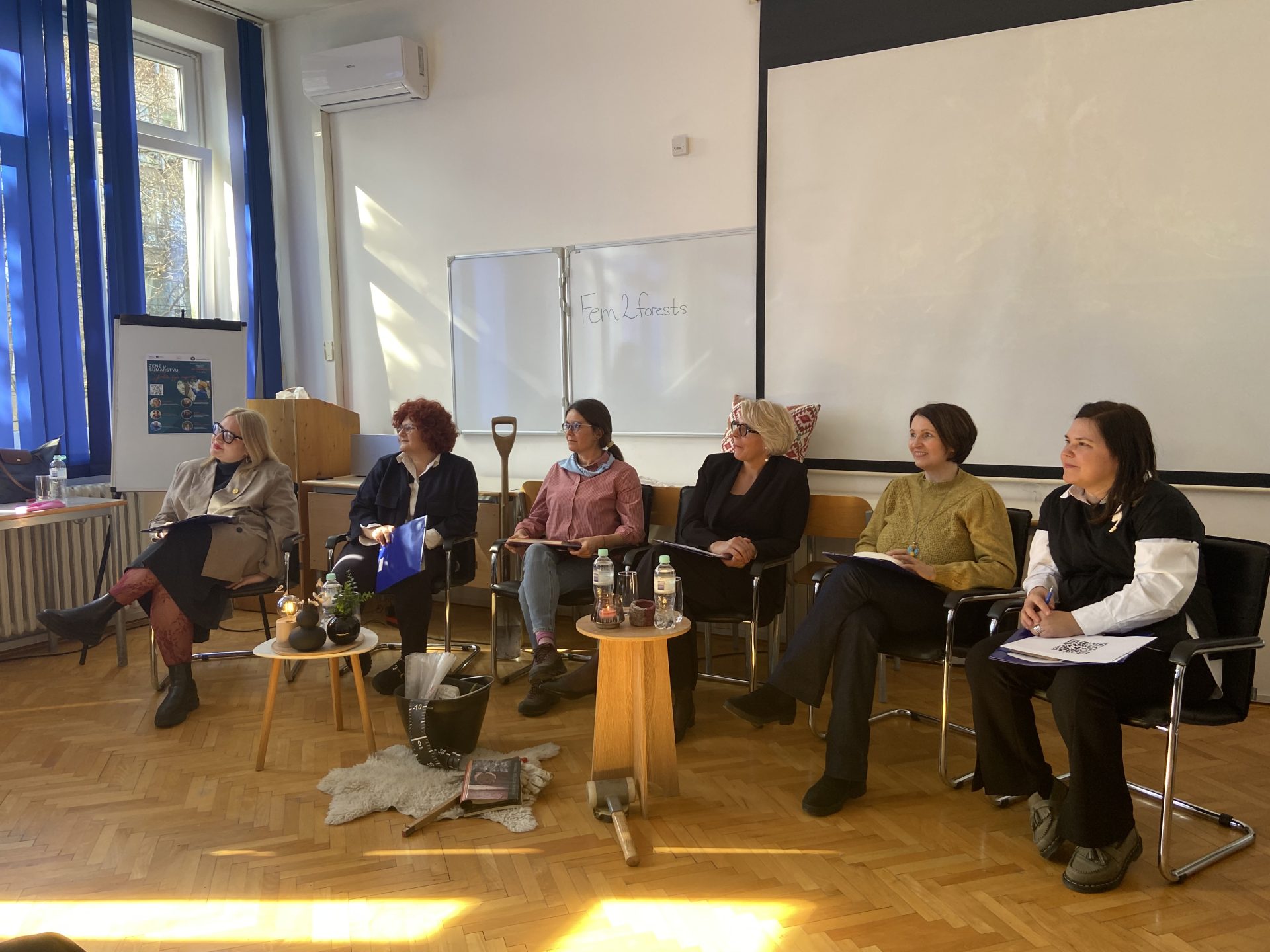
The second pilot activity aimed to empower young women by laying the groundwork for the National Ambassador Program. In February this year, a workshop and panel discussion entitled Women in Forestry – Stories That Inspire was held at the Faculty of Forestry of the University of Sarajevo, bringing together more than 40 participants from different segments of the sector, including female students, secondary school pupils, and female experts from public institutions, academia, and the non-governmental sector.
During the event, six successful women presented their career paths, highlighting the key challenges, turning points, and factors that shaped their development. The discussion raised issues of gender equality, the visibility of women in the sector, and the need to strengthen mentoring and networking as forms of support. A particular outcome of this activity was interest in the future National Ambassador Program, with five young women applying to participate, thereby initiating the formation of the first national network of female ambassadors in forestry.
In addition to quantitative indicators, the qualitative effects of the activities are reflected in increased interest among young people in the forestry sector and in the strengthening of the perception of forestry as a multidisciplinary field encompassing environmental, social, and economic aspects. This approach helps redefine the sector beyond the traditional framework of a technical profession.
In conclusion, the experience gained from implementing the Fem2Forests project indicates that the combination of digital tools, personal professional narratives, and direct interaction with the target group is an effective model for increasing women’s participation in forestry. However, the long-term sustainability of these results depends on their integration into education systems, employment policies, and institutional strategies for sector development. In the coming period, it is recommended that the gender perspective be systematically incorporated into strategic documents and forest resource management plans, and that formalized mentoring and professional development programs be established to ensure the continuity and scalability of the results achieved.
Prepared by Jasna Dragojević
The story was published in Energy portal Magazine CLEAN ENERGY