

Newsletter Subscribe
Enter your email address below and subscribe to our newsletter

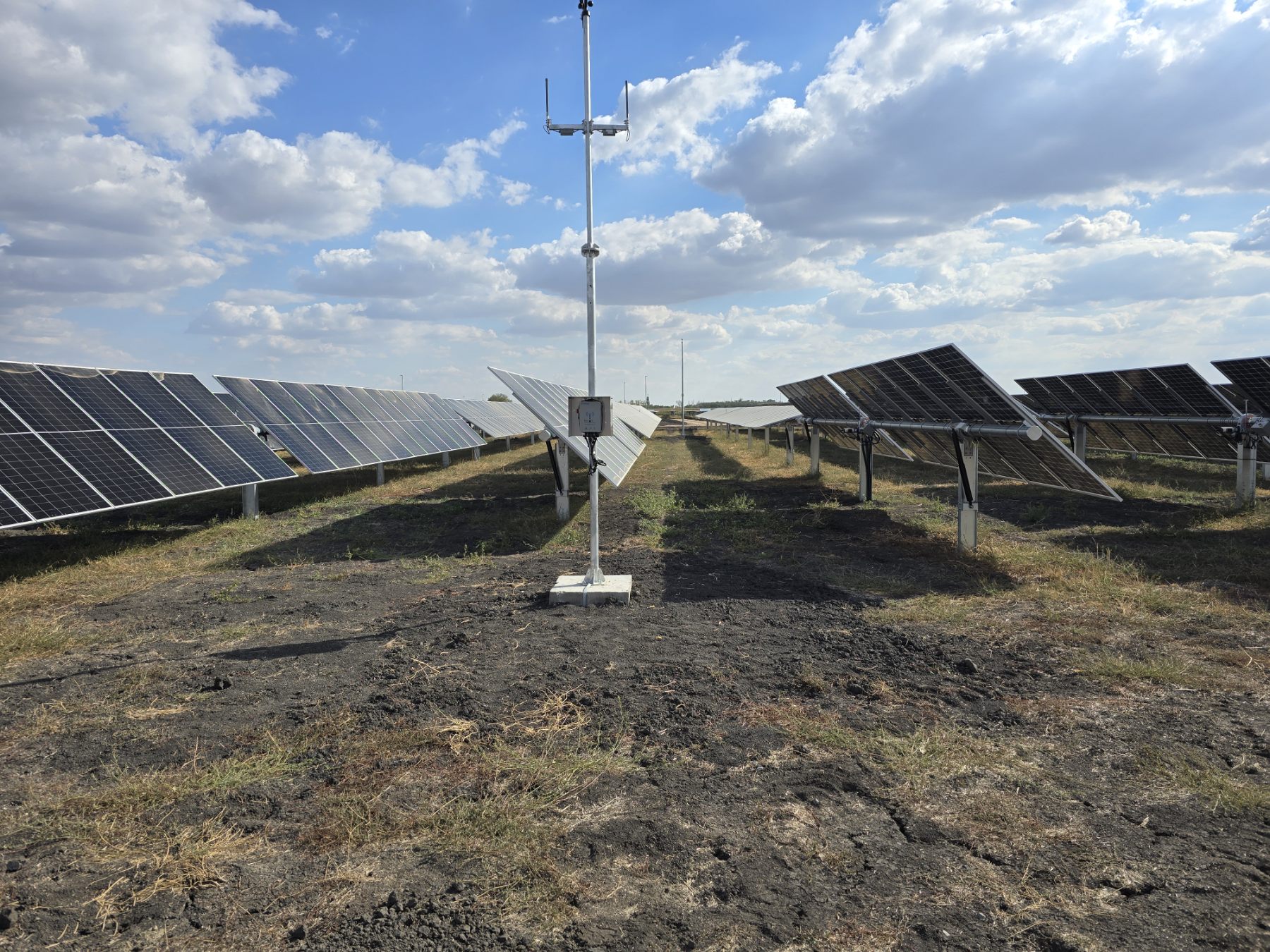
Another significant solar project, with a capacity of 9.99 MW, has recently been completed, with MT-KOMEX commissioned to carry out its construction. The solar power plant is located in Mokrin, in the municipality of Kikinda, Serbia, and was put into trial operation on 7 September this year.
What sets the plant apart from the company’s previous projects is its rotating solar panels, which track the movement of the Sun. More precisely, they move along the east-west axis to remain exposed to sunlight for as long as possible. This type of structure makes the plant more efficient compared with fixed-tilt systems, but it also makes it more vulnerable to damage in strong winds. To address this challenge, MT-KOMEX engineers implemented an innovative technology involving monitoring and communication systems, as well as the creation of so-called protective zones.
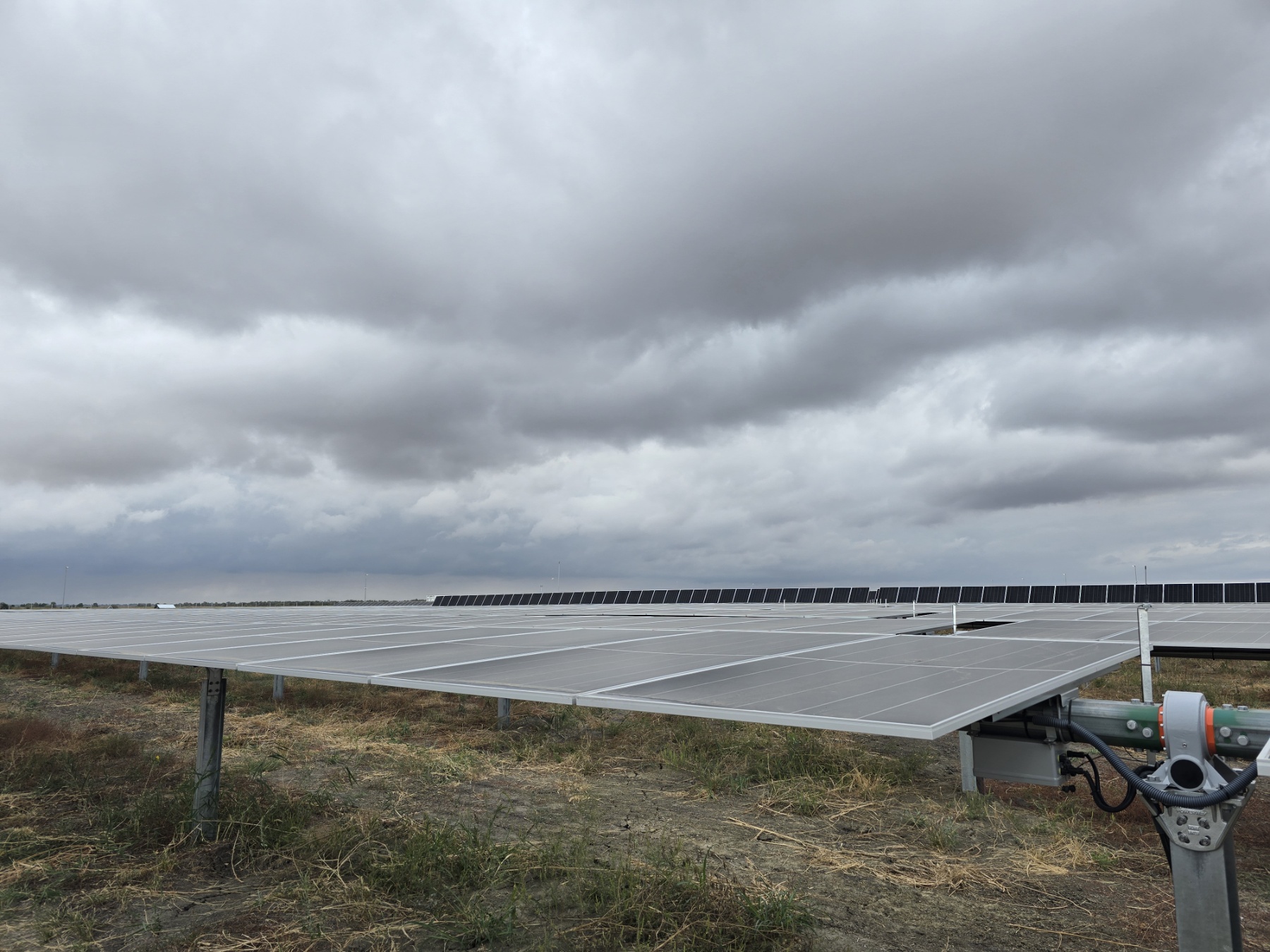
Protective Mode Adjusts Panel Position According to Wind Speed and Direction
As the company explained to us, when wind speeds exceed 18 metres per second, the solar power plant in Mokrin stops tracking the Sun and activates protective mode.
When strong winds arrive from a particular direction, the panels rotate in a way that reduces the load on the structure. Under extreme conditions, some panels can move into a horizontal position, while others take different angles to create protective zones. In this way, the system responds not only to wind speed but also to the direction from which the wind is coming.
The plant is divided into 443 separate blocks, each with its own control logic and communication device. At the same time, a central communication device connects all the blocks and enables their monitoring.
The ability to control each individual block is particularly important for protecting this type of structure, as different sections of the plant do not necessarily have to take the same position at any given moment. Instead, the system can determine the position of individual blocks according to the specific conditions.
During testing, the engineers checked whether each individual block responded properly to wind, whether the protective mode was activated, and how the system responded in the event of a power outage.
The tests showed that the systems were operating according to the specified parameters, and the entire plant is fully operational in trial operation.
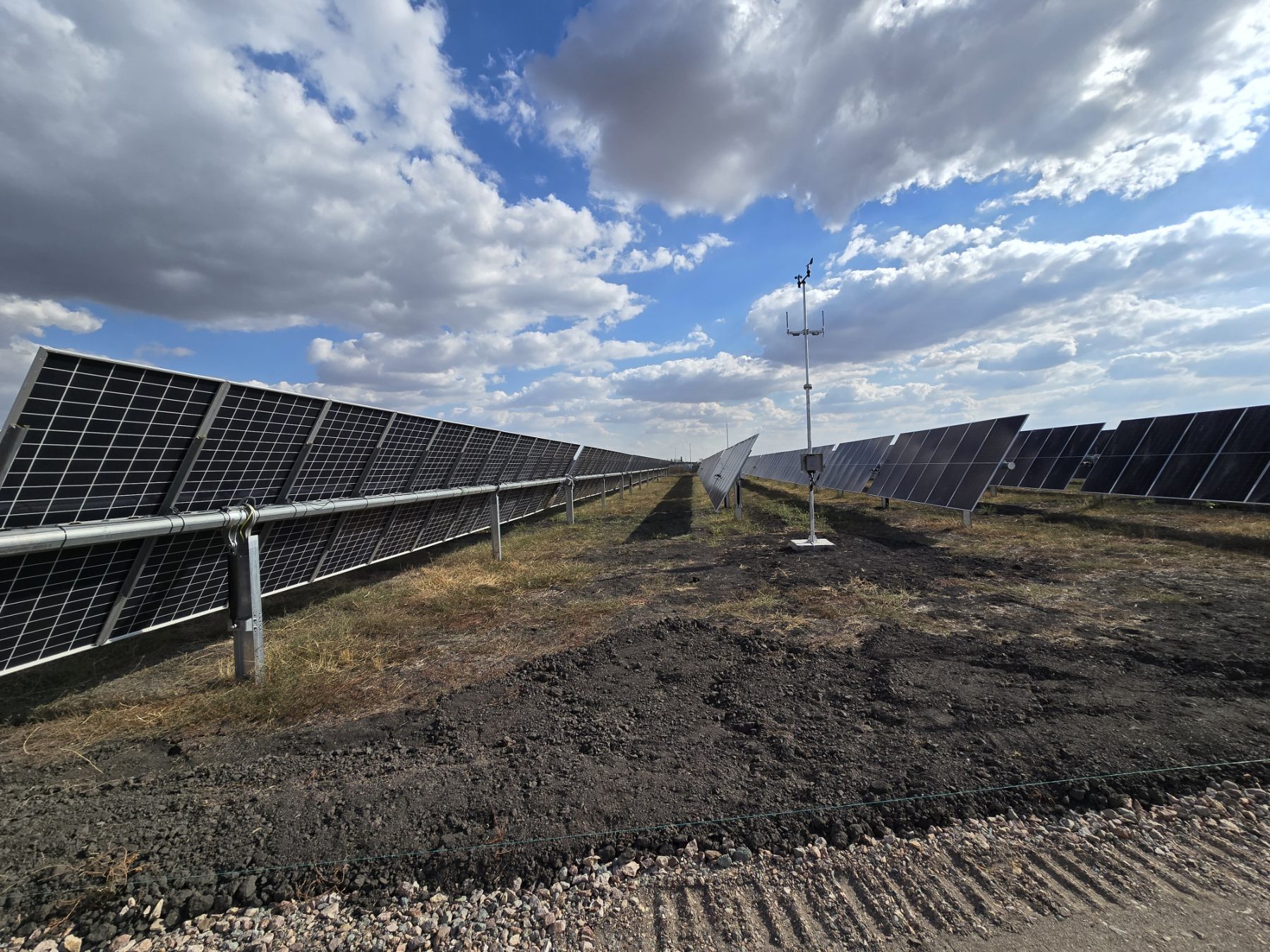
Particular attention was also paid to the plant’s operation in the event of an interruption in the electricity supply from the distribution grid. Since changing the position of the panels requires a control system and drive components, the plant is equipped with diesel generators that provide a backup power source. The generators ensure the operation of key systems and enable the plant to switch to protective mode.
The project was developed by Brankov Solar d.o.o. from Belgrade, while MT-KOMEX was responsible for its construction. The plant consists of 21,552 solar panels manufactured by AIKO, each with a capacity of 650 Wp.
The Mokrin project demonstrates that the use of single-axis trackers involves much more than simply mechanically moving panels to follow the Sun. It also requires an entire automation system capable of monitoring weather conditions, identifying potentially hazardous situations and rapidly changing the plant’s operating mode in order to protect the structure and equipment.
Energy portal