

Newsletter Subscribe
Enter your email address below and subscribe to our newsletter

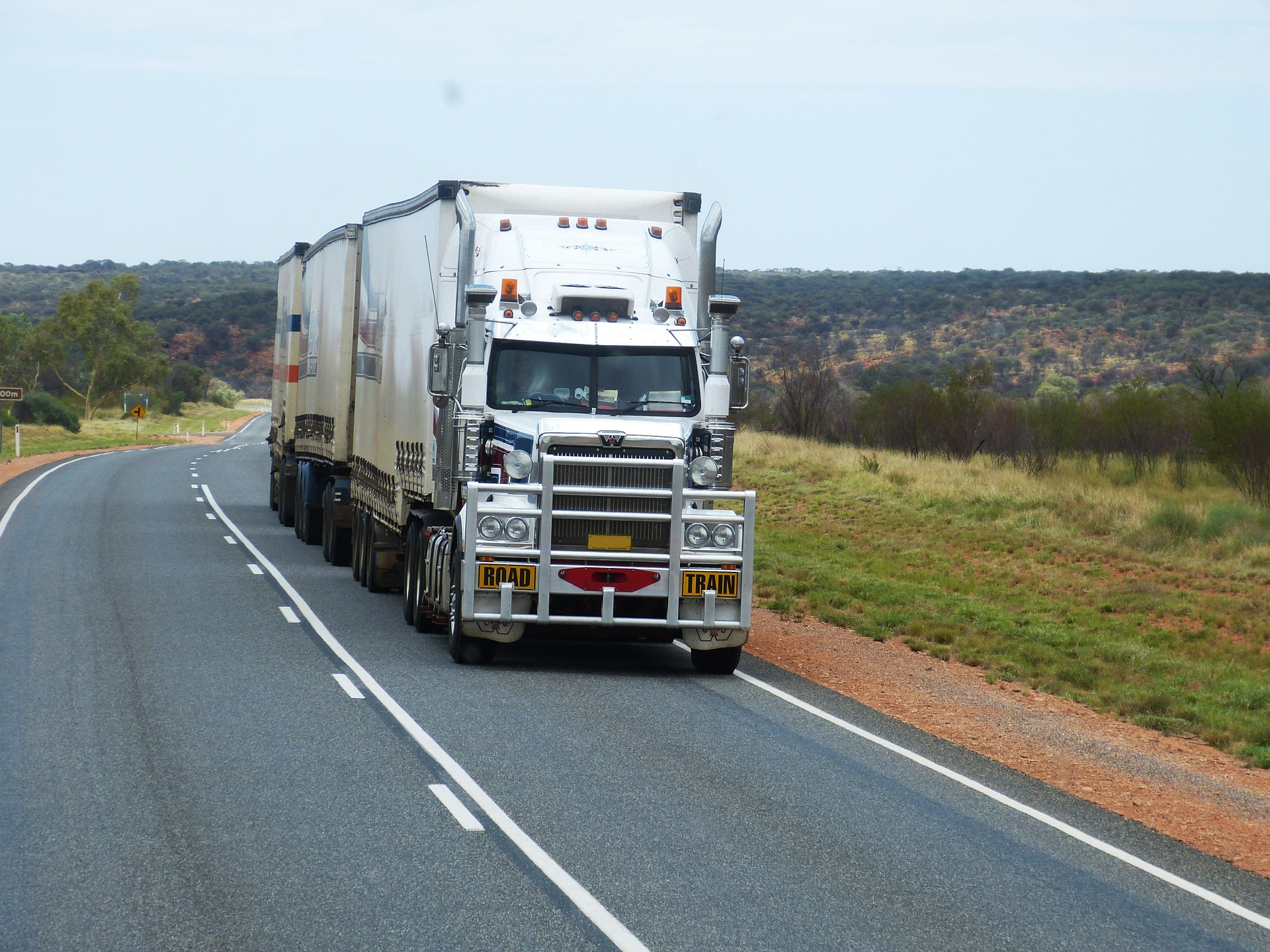
The latest data on truck and bus sales in the European Union for the first half of 2024 indicate a rise in the sale of zero-emission trucks.
The European Automobile Manufacturers’ Association (ACEA) has compiled an overview of available zero-emission vehicles as well as those that will soon be available. Currently, there are at least 45 different models of battery-electric trucks and 18 different buses and coaches available in various configurations, adaptable to specific needs.
Hydrogen-powered trucks (using fuel cells or hydrogen combustion engines) represent the second major zero-emission technology and are already in use.
“To enable the rapid market uptake of these vehicles, it is urgently necessary to establish key conditions, including a dense network of charging and hydrogen refueling infrastructure tailored to heavy-duty vehicles, effective carbon pricing, and additional measures to support fleet renewal and investments by transport operators,” stated ACEA representatives.
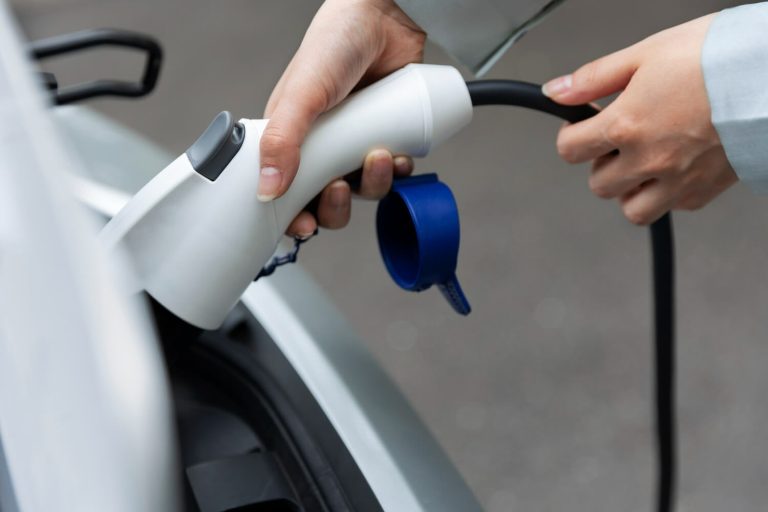
For road transport to transition to climate neutrality, approximately 50,000 publicly accessible charging points for trucks are needed, providing the necessary charging infrastructure for battery-electric vehicles.
The association estimates that about 35,000 high-performance charging points (Megawatt Charging Systems) would suffice for fast charging and top-ups during mandatory driver breaks. Additionally, around 2,000 hydrogen refueling stations with a capacity of at least two tons per day would be required to facilitate the deployment of hydrogen-powered trucks.
The 2030 target for truck and bus manufacturers mandates a 45 percent reduction in CO2 emissions from new vehicles compared to 2019 levels. Achieving this goal means that approximately 400,000 zero-emission vehicles will need to be operational on European roads by 2030.
Registrations of zero-emission vehicles must significantly and rapidly increase to align with the CO2 emission reduction targets.
Jasna Dragojević