



Newsletter Subscribe
Enter your email address below and subscribe to our newsletter


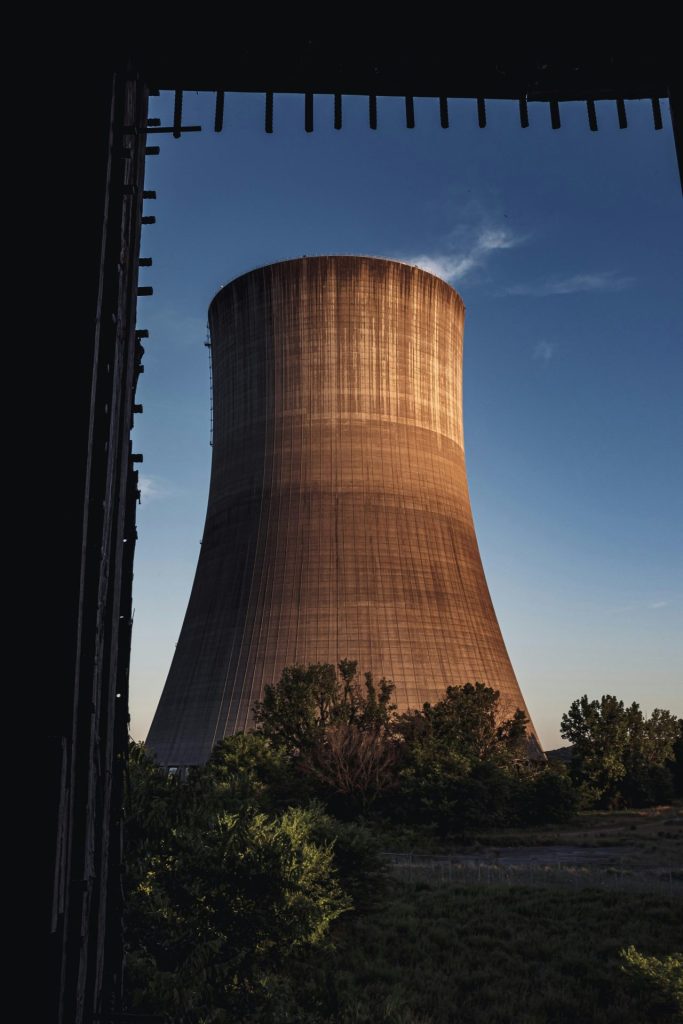
The water level of the Danube near Cernavodă, Romania, rose by four centimetres over the past 24 hours, despite forecasts indicating that it would fall by around four centimetres. According to Romania’s Ministry of Energy, this means that the actual hydrological situation is eight centimetres more favourable than initially forecast.
The rise in the water level is the result of a controlled barge sinking operation on the Danube, aimed at directing more water towards the intake area of the Cernavodă Nuclear Power Plant and creating the conditions needed for the continued operation of Unit 2.
The first two barges were sunk on Friday, while the operation involving two additional barges was completed on Saturday evening, despite difficult conditions and strong currents on the Danube. The Ministry said the effects of the last two barges are expected to further improve water levels in the coming days.
According to the latest available hydrological forecasts, the current situation will allow Unit 2 of the Cernavodă Nuclear Power Plant to continue operating for at least another nine days, covering the period of the current forecast.
As we previously reported, Romania introduced emergency measures due to the historically low Danube water level in order to ensure the continued operation of Cernavodă Unit 2 and prevent disruptions to the national power system. The government allocated 7 million lei, or around €1.3 million, for the temporary redistribution of water flows at the Bala–Old Danube bifurcation.
Cernavodă Unit 2 generates around 10 percent of Romania’s electricity needs, meaning that a potential shutdown would put additional pressure on the country’s power system. Alongside the interventions on the Danube, Romanian authorities have therefore announced plans to increase generation from all available sources, secure electricity imports and accelerate the commissioning of new solar and wind power plants, as well as energy storage systems.
Although the rise in the Danube level represents a positive development, the hydrological situation continues to be closely monitored. Romania’s Ministry of Energy said it is continuing to coordinate with the relevant institutions and operators so that measures to ensure security of electricity supply and the stability of the national power system can be adjusted according to conditions on the ground.
Energy portal