


Newsletter Subscribe
Enter your email address below and subscribe to our newsletter

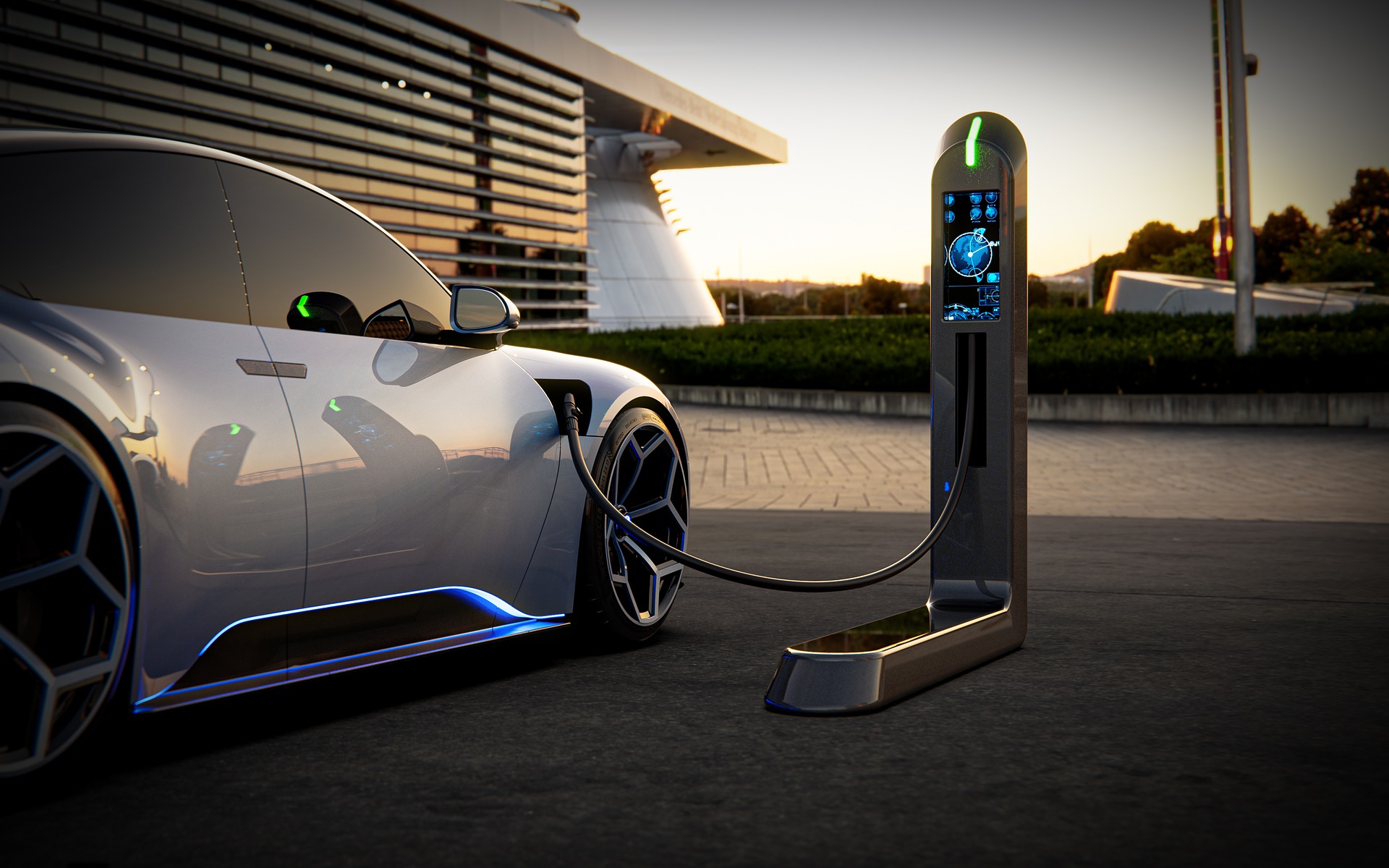
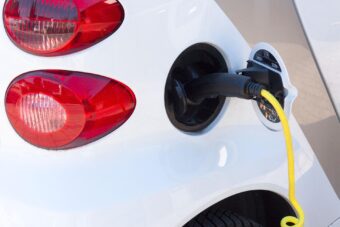
It is common knowledge that electric vehicles (EVs) are cleaner alternatives to conventional vehicles. However, their role in the energy transition extends beyond cutting direct emissions, underlining their crucial importance. This is why policymakers across the globe are dedicating efforts to make the massive deployment of EVs a reality.
Under the International Renewable Energy Agency’s (IRENA) 1.5°C Scenario, the number of electric passenger cars needs to exceed two billion by 2050. Managing this growth and harnessing associated opportunities come with a challenge from a grid perspective. If policymakers want to minimize the cost of grid reinforcements, smart electrification strategies are considered essential.
In the run-up to COP28, IRENA will be hosting Innovation Week in Bonn, Germany from 25-28 September to bring together leaders, experts, industry representatives, academics and policy makers to discuss cutting-edge innovations that can support and accelerate the global energy transition. One important area of focus will be the smart electrification of mobility, particularly the benefits of bidirectional charging of EVs that allow car batteries to be used by the grid to improve its efficiency and reliability.
Cars are designed to transport people, yet they remain idle for the majority of their lifespan, parked near our homes or workplaces. According to most studies, cars spend between 90 and 95 percent of their time unused. If these cars were electric, they would have the potential to add great additional value to their owners and the environment when they are connected to the power grid.
How can this work? In two ways:
Smart charging helps manage demand for electricity; charging batteries when clean electricity production is high and discharging them, in the case of V2G, at times of low wind or PV production. In this way, the EV fleet acts as a giant battery to store and supply renewable energy.
The business case for smart charging is already a reality
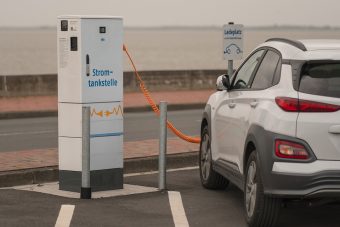
The Belgian electric service company Elia, which operates in Belgium and Germany found that EV owners could reduce their energy costs by 15 percent if they used unidirectional smart charging and by 25 percent if they used bidirectional charging.
Uncontrolled charging would raise electricity demand by 1.2 gigawatts in Belgium and 6.5 gigawatts in Germany by 2030, whereas smart charging would reduce the 2030 peak load by 13 percent in Germany and 10 percent in Belgium.
The benefits extend far beyond private vehicles. In France, the electricity network has certified the use of EV batteries from company fleets for V2G smart charging.
In Denmark, the V2G technology company Nuvve uses multiple electric bus batteries to provide a reserve for the Danish electricity network Energinet. Nuvve’s software ensures the buses have sufficient charge to operate but can offer extra capacity to the network.
A spokesperson for Nuvve says that its V2G platform, which can be used by private EVs as well, creates real environmental benefits and keeps the costs of the transition down for all customers. “It also allows electric vehicle owners to generate revenue from their vehicles while parked. This can offset the cost of charging and make electric vehicle ownership more attainable for more people,” they say.
But there are many challenges for policy makers and innovators before these benefits to the consumer and the environment can be fully realised. These include:
Source: IRENA