





Environmental Protection
Share
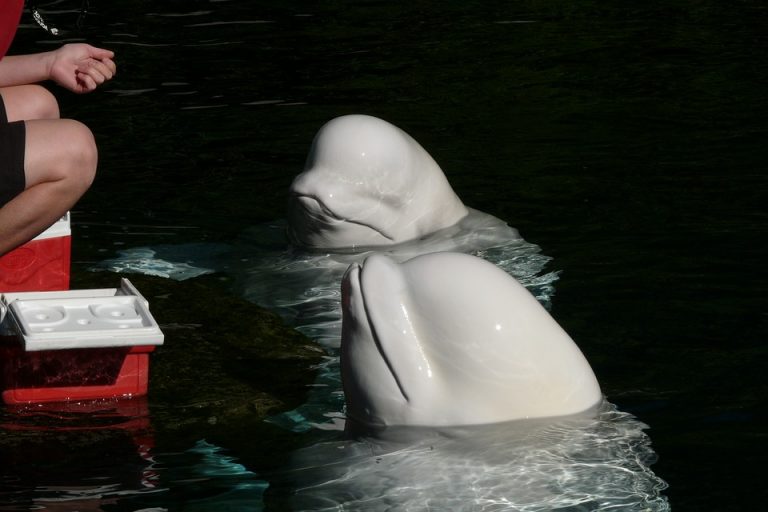
World’s First Beluga Whale Sanctuary Will Welcome New Arrivals
In 2019, two beluga whales, named Little Grey and Little White, will be transported from the Changfeng Ocean World aquarium in Shanghai to the world’s first whale sanctuary in a protected bay in Iceland. Established by the SEA LIFE Trust…

One Football Pitch of Forest Lost every Second in 2017, Data Reveals
The world lost more than one football pitch of forest every second in 2017, according to new data from a global satellite survey, adding up to an area equivalent to the whole of Italy over the year. The scale of…
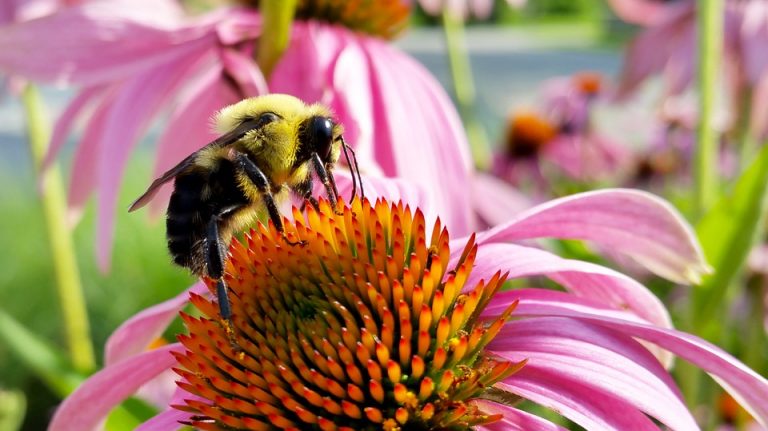
Bumblebees Thrive in Towns more than Countryside
Bumblebee colonies fare better in villages and cities than in fields, research has revealed. Bumblebees are important pollinators, but face threats including habitat loss, climate change, pesticide and fungicide use and parasites. Now researchers say that bumblebee colonies in urban…
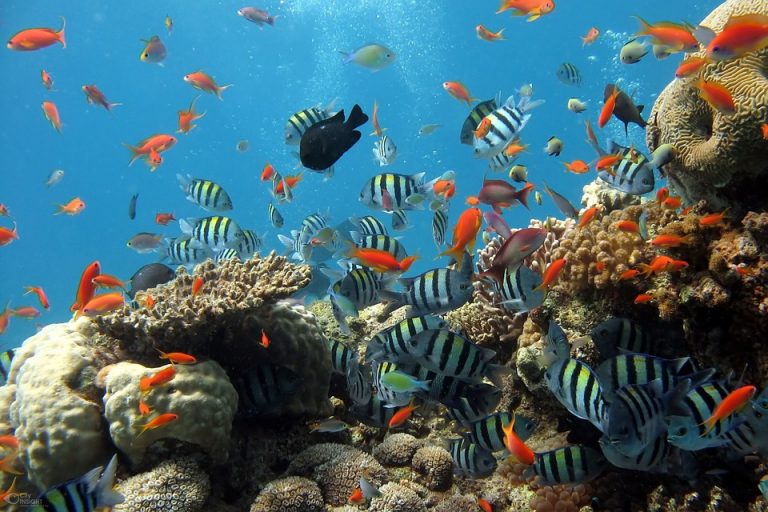
Coral Reefs ‘Will Be Overwhelmed by Rising Oceans’
Scientists have uncovered a new threat to the world’s endangered coral reefs. They have found that most are incapable of growing quickly enough to compensate for rising sea levels triggered by global warming. The study suggests that reefs – which…

Pizza Hut Commits to Antibiotic-free Chicken Wings by 2022
The use of antibiotics in chicken farming has by now been widely repudiated by US fast-food joints, including the likes of Chick-fil-A, McDonald’s, KFC, and Subway. Pizza Hut is already among their number, with the fulfilled promise of eliminating chicken…

RepAir T-shirt Cleans the Air while You Wear It
Italian fashion company Kloters has created a T-shirt that cleans the air through a specially designed insert capable of capturing and disintegrating pollutants and foul odors. Called RepAir, the shirt was designed to be both comfortable and environmentally friendly. “RepAir…
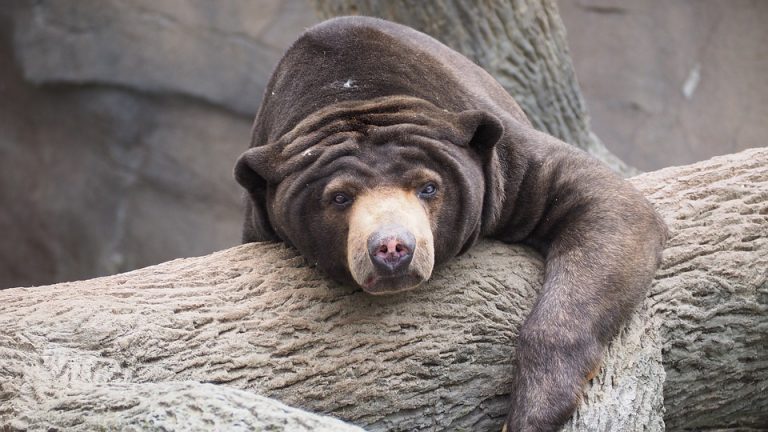
Fear of Humans Is Forcing Daytime Animals into Night Mode
Thanks to human activity, some daytime animals are switching over to the night shift. Justin Brashares noticed it first in 2013, when he was studying olive baboons in Ghana: during times that humans were around, the primates stayed up long…