


Newsletter Subscribe
Enter your email address below and subscribe to our newsletter


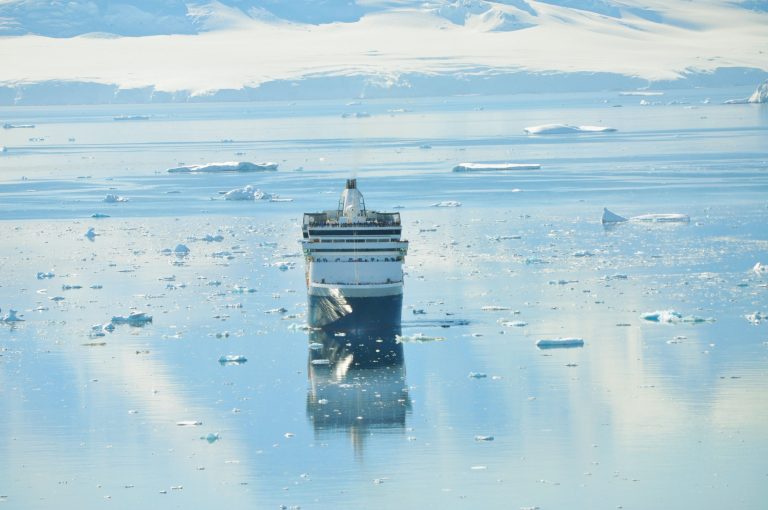
The US National Oceanic and Atmospheric has issued its annual Arctic Report Card. It documents new evidence that warming of the air, ocean and land is affecting people, ecosystems and communities across the Arctic region, which is heating up faster…

Yesterday marked one year since 196 countries agreed the Kunming–Montréal Global Biodiversity Framework (GBF) at the United Nations Conference on Biodiversity (COP15) as an action plan to protect, restore, sustainably use, manage and finance ecosystems. Full implementation of both the…
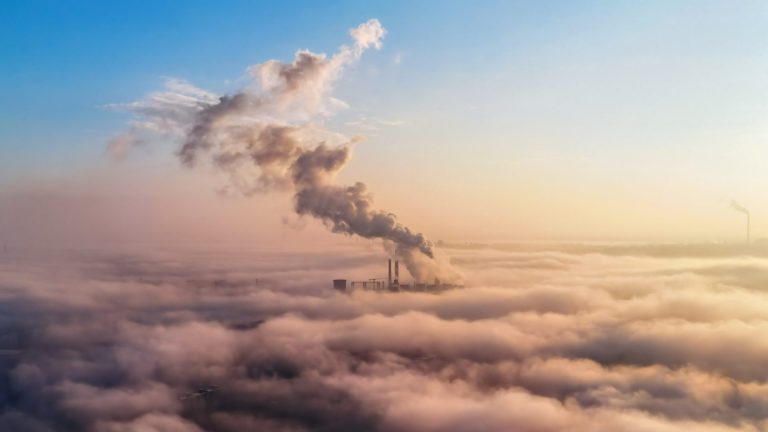
Much of the world has felt the sting of climate change this year although, as ever, the poor and vulnerable have suffered the most. This climate chaos has arrived at estimated global average temperatures of 1.4°C above pre-industrial levels. According…

The EEA briefing ‘How climate change impacts marine life’ summarises how increasing levels of greenhouse gas emissions in the atmosphere are affecting marine ecosystems in Europe. Supporting the review of the EU Marine Strategy Framework Directive, the EEA briefing further…

Antimicrobial resistance (AMR) is one of the greatest global health threats. It was associated with an estimated five million deaths in 2019, and if left unchecked, it could have a catastrophic impact on people and the economy. Research from the United…
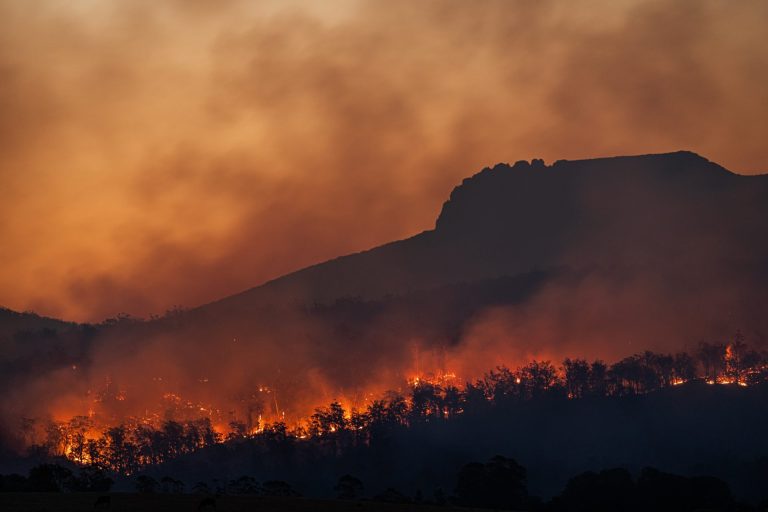
The densely populated Mediterranean basin region is warming more rapidly than global average rates. It is increasingly subject to a range of devastating extreme weather and climate events, which in recent years have caused major loss of life, infrastructure damage,…
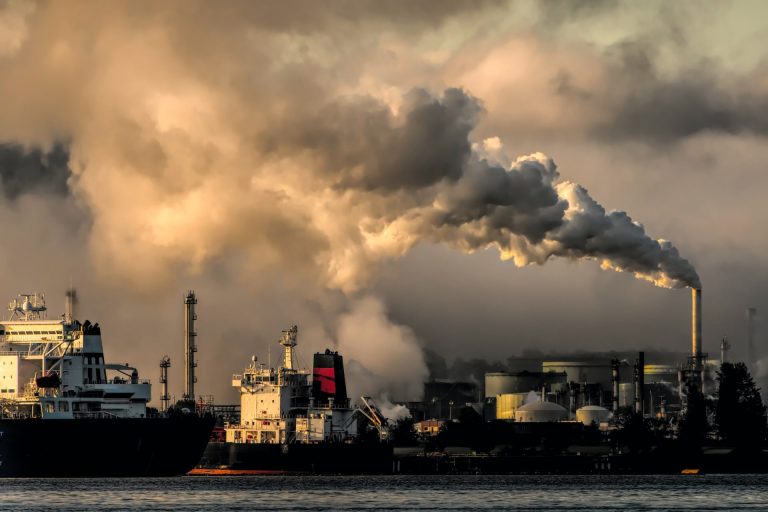
The abundance of heat-trapping greenhouse gases in the atmosphere once again reached a new record last year and there is no end in sight to the rising trend, according to a new report from the World Meteorological Organization (WMO). Global…