



Newsletter Subscribe
Enter your email address below and subscribe to our newsletter


The story of per- and polyfluoroalkyl substances (PFAS) begins with something not uncommon in science but requires a keen and careful eye. Namely, while working on the synthesis of new compounds in the 1940s, chemists at the DuPont Company did…

In recent years, countries around the world have set ambitious environmental goals. For some, these goals pose challenges that are not easily overcome, while others face failure. However, Hungary stands out as a country taking ecology seriously, prioritizing the development…
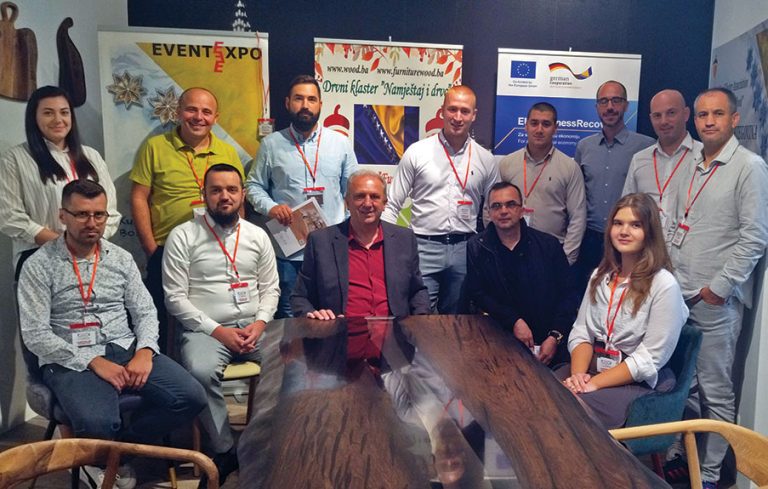
The Furniture and Wood (Namještaj i Drvo) Wood Cluster Association from Sarajevo is a key organization that brings together around 80 companies from the wood industry and furniture manufacturing sectors, as well as research and educational institutions across Bosnia and…
New projects by citizen associations and non-governmental organizations across Serbia will receive support from WWF Adria. WWF Adria will support 15 new projects from citizen associations and non-governmental organizations throughout Serbia. Financial support of up to 18,000 euros per project…

Climate change affects everyone on the planet, but those most vulnerable are often the least responsible for causing it. These vulnerable and marginalized groups, including the economically and socially disadvantaged, usually lack the resources and capacity to cope with the…
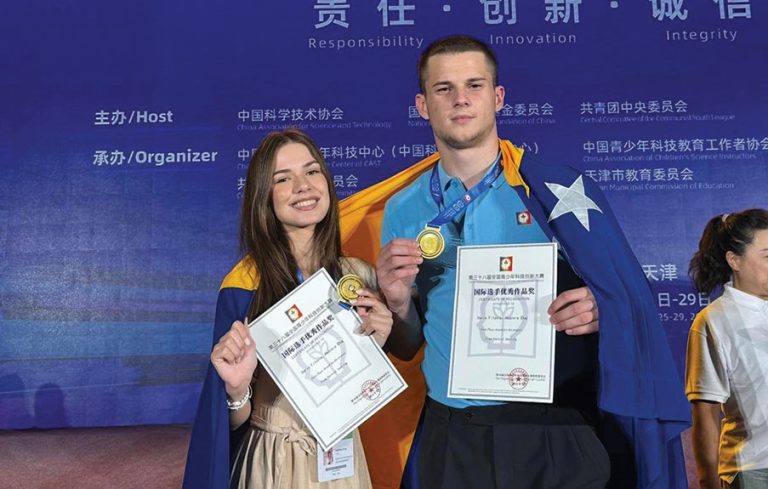
Young people worldwide are increasingly recognizing the importance of environmental conservation. Their passion and innovative approaches often result in creative solutions for reducing waste, preserving natural resources, and combating climate change. Through innovative projects and various ideas, they demonstrate their…

Energy transition in Serbia is a complex process that unfolds amidst economic, political, and technological challenges. The National Integrated Energy and Climate Plan sets goals such as achieving a 33.6 percent share of renewable energy in gross final consumption by…