Newsletter Subscribe
Enter your email address below and subscribe to our newsletter


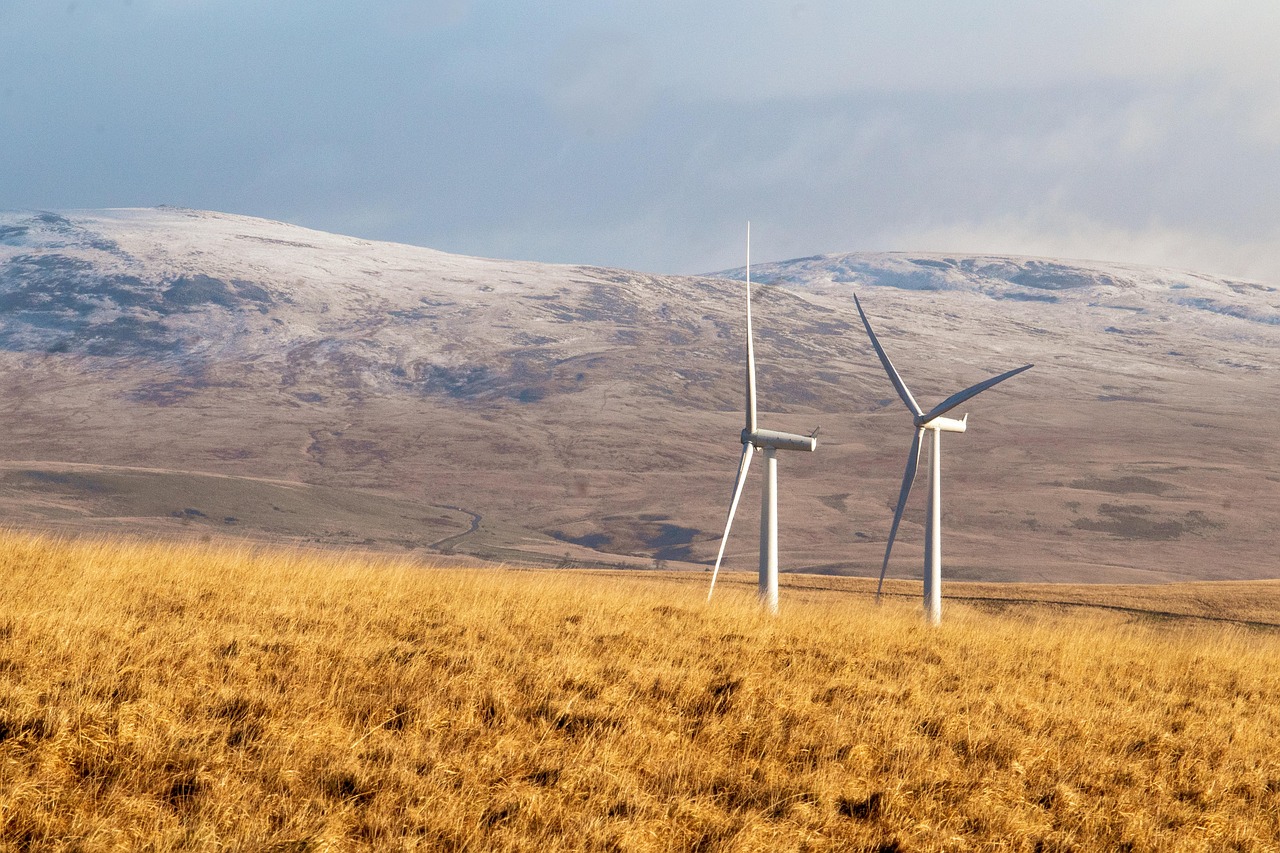
In recent years, Serbia has made significant progress in developing renewable energy sources, thanks to new wind farms, solar projects, and a growing number of prosumers. However, despite increased investment and successful auctions, the sector now faces serious challenges – from delays in issuing permits and grid connection problems to regulatory changes that could postpone the implementation of new projects for several years.
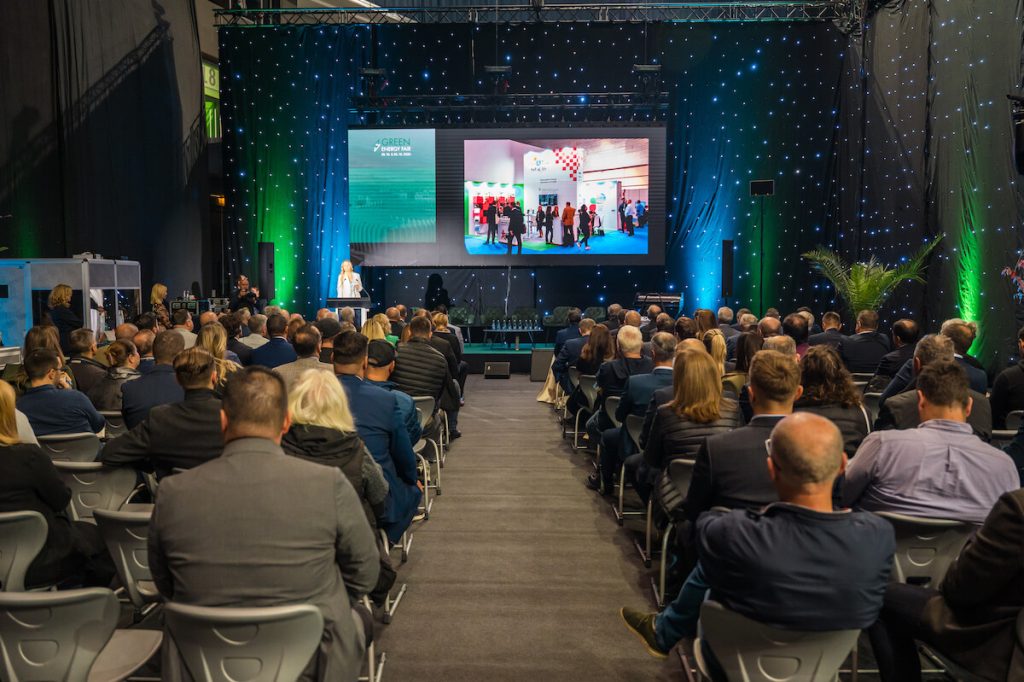
We spoke with Danijela Isailović, Manager of the RES Serbia Association, about how close Serbia is today to achieving its energy and climate goals, why the development of renewable energy sources has slowed down, what role battery energy storage systems will play, and what the key topics of the upcoming “RES Serbia 2026” conference will be.
Q: How would you assess the current development of renewable energy sources in Serbia? Is Serbia today closer to its energy and climate goals than it was a few years ago?

A: We are certainly closer to our goals, bearing in mind that new RES capacities have been built in recent years, primarily by auction winners, as well as through some projects that dared to test themselves fully on the market. Prosumers have also taken root, making citizens and businesses important actors in the energy transition.
However, when it comes to the question of whether the national targets will be met — targets that envisage 3.5 GW of solar and wind power plants connected to the grid by 2030, so that the share of RES reaches 45 percent — I am less optimistic today than I was in previous years. We currently have 824 MW of wind farms on the grid, including Čibuk 2 and the Kostolac wind farm, which are in trial operation. Around another 200 MW of wind farms are under intensive construction. As for solar, together with prosumers, we have less than 400 MW on the grid. This indicates that in Serbia, over the past 12 years, a total of around 1.2 GW of wind farms and solar power plants has been built, while in the next four years, by 2030, three times that amount would need to be built and connected.
We would like that to happen, but a realistic understanding of the market suggests that only a few more projects, mostly those of auction winners, are likely to be built during that period. Some unusual developments are currently taking place in Serbia, and decisions are being made whose consequences may be felt by the energy transition for many years. The development of RES projects has slowed down, with a real possibility of coming to a complete halt. As is known, amendments to the regulation adopted on 21 May introduced a decision to postpone the preparation of connection studies until the last quarter of 2029. Since this is the first step in the development of wind farms and solar power plants, it practically means that the process of obtaining permits will only begin in 2030, and construction itself only in 2035.
In addition, a certain number of investors are facing problems in obtaining permits and discrimination. This concerns 1.2 GW of projects belonging to our members, as well as a certain number of other investors who have deposited bank guarantees worth tens of millions of euros with the transmission system operator, thereby undertaking to build the power plants. On the other hand, in the permitting process, they have been slowed down or stopped by circumstances over which they had no influence whatsoever. For this reason, we have submitted an initiative to amend the disputed articles of the decree to prevent the activation of bank guarantees and to give these projects a new lease of life.
Q: In recent years, there has been significant growth in investments in solar and wind power plants. What key factors have contributed to this development, and do you expect this trend to continue in the coming period?
A: First of all, we had two successful auction rounds, which were highly competitive processes that proved beneficial for everyone. EPS obtained cheap green energy, while investors secured guaranteed purchase for 15 years. Our members who participated and won auction premiums built their projects quickly and efficiently. We regret that others have not been as agile, but we certainly expect them to build their capacity to avoid a situation in which their bank guarantees are invoked.
We also expect the third auction round to be held in accordance with the three-year plan, but for now, there are no signals that it will be announced soon.
Q: How successful is the existing incentive system for renewable energy sources in Serbia in attracting new investments? Are additional changes to the regulatory framework needed for the market to continue growing?
A: Ten years ago, when it came to incentive measures in Serbia, we had a feed-in tariff system. As in all European countries, this type of support was necessary for solar power plant, wind farm, small hydropower plant, and biogas plant projects, and thanks to it, we made the first steps in the RES sector. After that came auction premiums, a significantly less profitable form of incentive but a system that provided investors with security in electricity purchases and balancing. Equally important is that the auction system drove down electricity purchase prices, enabling EPS to secure a significant amount of green energy at a favorable price.
The auction-based incentive system remains in force, given that the three-year plan envisages three auction rounds. Unfortunately, there is still no information on whether and when they will be implemented. In addition to all this, we believe that further regulatory changes and the adoption of a new three-year auction plan are necessary.
Prepared by Milena Maglovski
The story was published in Energy portal Magazine CLEAN ENERGY