




Newsletter Subscribe
Enter your email address below and subscribe to our newsletter

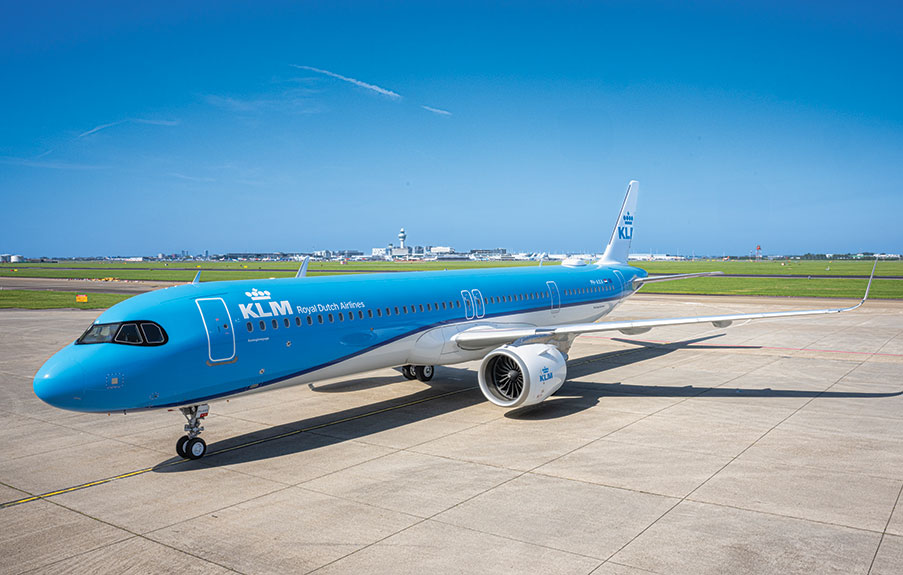
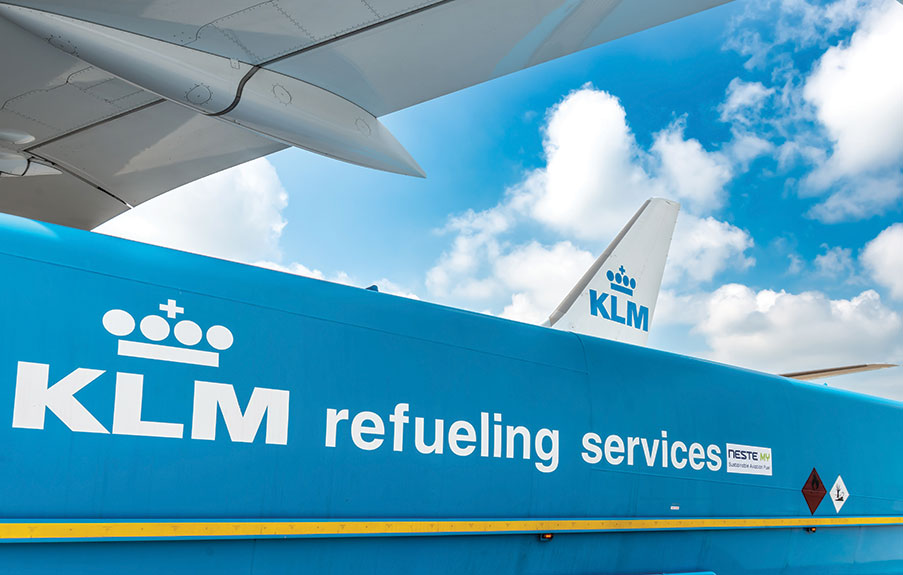
Climate change and global warming present challenges that require swift and decisive action. As we confront them, it is important to recognize the various sources of pollution. Civil aviation, for example, contributes to overall carbon dioxide pollution by two to three percent. Without serious changes, this share could rise to as much as 22 percent by 2050. There must be a way to reconcile humanity’s natural desire to travel with reducing aviation’s impact on climate change.
Since the main cause of pollution in the aviation industry is the use of fossil fuels, the key solution lies in reducing their use and transitioning to sustainable alternative fuels. In fact, this is exactly what the world’s oldest airline still operating under its original name, KLM Royal Dutch Airlines, is doing. KLM has been a leader in the aviation industry for many years when it comes to sustainability. Instead of developing a separate strategy for sustainable operations, the company places sustainability at the core of its business strategy. This approach allows it to integrate environmental practices into all aspects of its operations, thereby actively contributing to reducing its environmental impact.
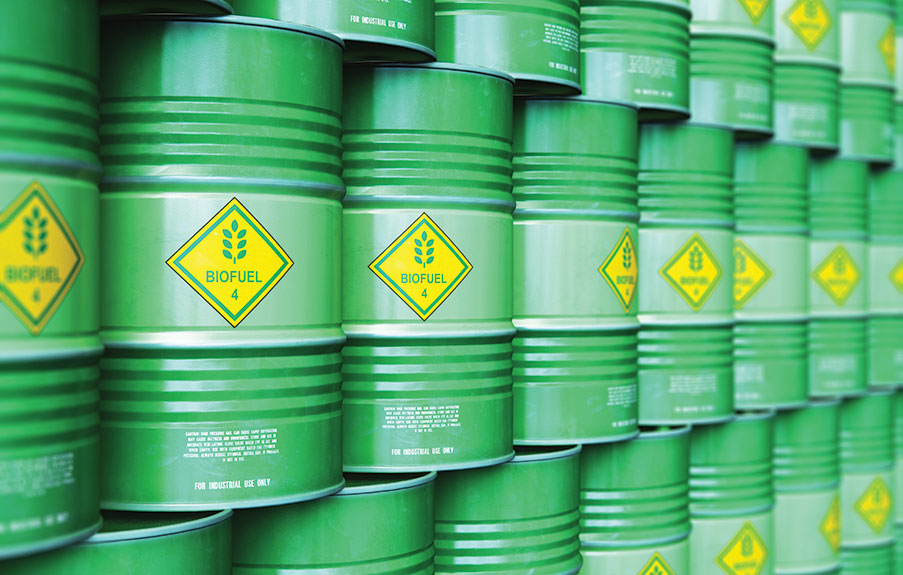
It’s simple – the next time you pack your suitcase, consider whether you really need all the items you’re taking. Also, when booking a flight, you have the option to voluntarily purchase an additional amount of sustainable fuel. Your contribution is calculated based on several factors that affect the carbon dioxide emissions of your flight, such as aircraft type, distance, and load factor. Today, KLM uses one percent sustainable aviation fuel on all flights departing from Amsterdam. It’s a start, but with your help as a passenger, it can do even more. Every small step contributes to the larger goal of preserving our planet.
KLM
The story was published in the new issue of the Energy portal Magazine ECOLOGICAL TRANSPORT