



Newsletter Subscribe
Enter your email address below and subscribe to our newsletter

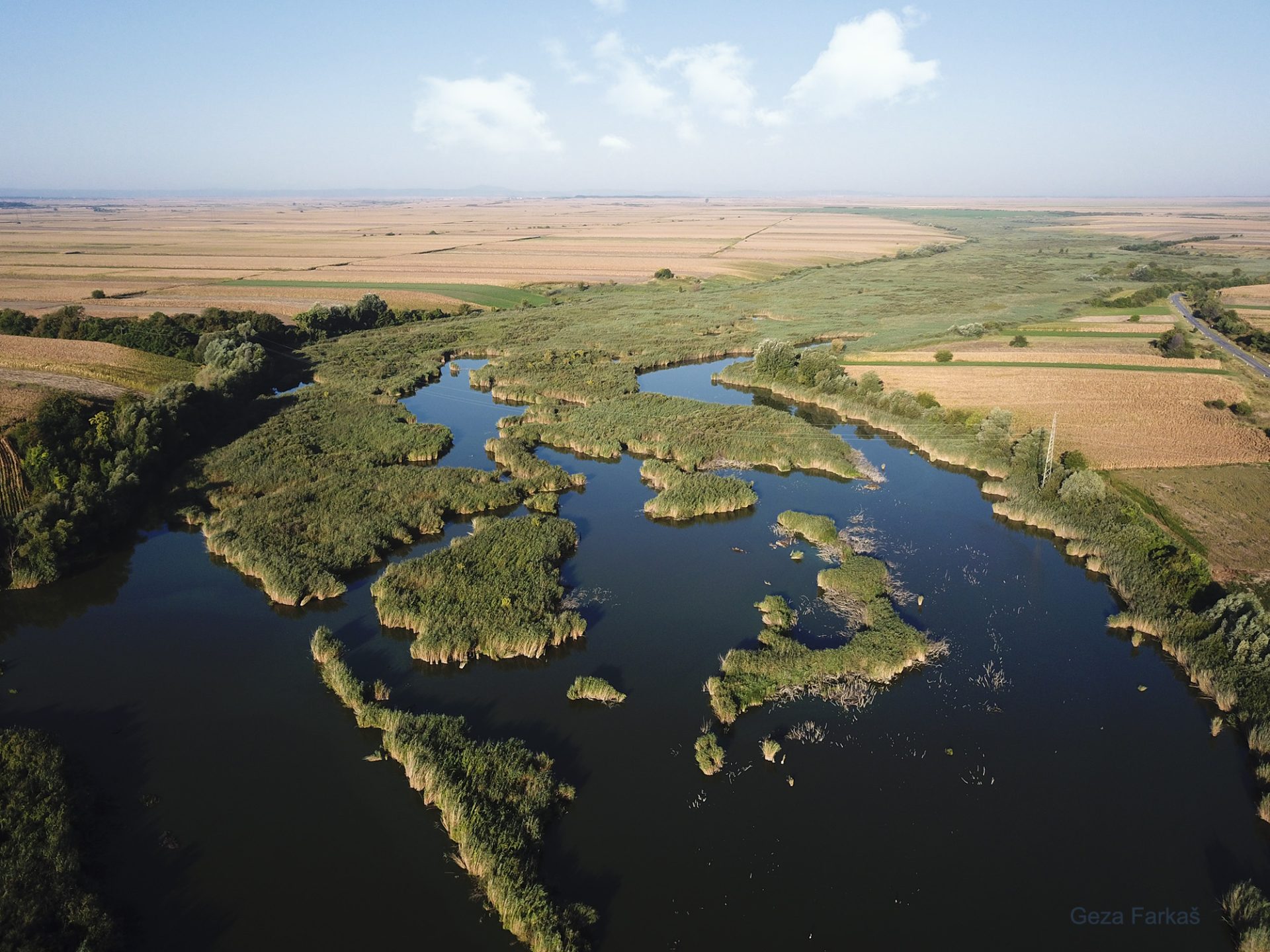
The Special Nature Reserve “Kraljevac” in southern Banat stands out as an oasis sustained by the dedication of people who see in its preservation far more than projects and administrative obligations—they see long-term responsibility and a mission. One of the key actors in that mission is the Institute for Regional Development (IRIS), an organization that has been actively connecting local communities, environmental organizations, scientists, and institutions since 2018.
We spoke with Milica Živković, who has worked for years on projects and programs focused on habitat revitalization and biodiversity protection, about IRIS’s role, the results achieved so far, and the challenges of preserving the sensitive Kraljevac ecosystem. Her words clearly demonstrate that Kraljevac is more than a reserve—it is an example of how collective will can transform the future of endangered species and ecosystems.
An Institute That Protects Nature in the Field, Not Just on Paper
According to Milica, IRIS was founded with a very clear idea: nature conservation must be practical, visible, and based on cooperation. From the very beginning, the focus has been on fieldwork—projects that bring tangible change to habitats themselves, not just to reports.
— Since our establishment, we have cooperated with the Deliblatsko Jezero Sports Fishing Association, the manager of the Special Nature Reserve Kraljevac. Our collaboration is reflected in numerous concrete field activities. So far, we have implemented more than 30 projects together, primarily aimed at biodiversity conservation through active protection measures, habitat revitalization using nature-based solutions (NbS), stakeholder engagement, education, and raising awareness of the importance of protecting this area, Milica explains.
This reserve, known for its rare wet meadows and rich diversity of birds, amphibians, and distinctive rodent species, increasingly depends on active conservation measures—and this is precisely where IRIS brings added value.
Revitalization of the European Mudminnow Habitat
Among the most significant projects implemented by IRIS, in cooperation with the USR “Deliblatsko Jezero”, is the revitalization of the habitat of the European mudminnow (Umbra krameri)—a strictly protected fish species that survives in Serbia at only a few locations.
Within the project “Revitalization of the Umbra Habitat in the Special Nature Reserve Kraljevac,” funded by Sweden through the EU Green Agenda program, long-overdue measures were implemented: the removal of 5,000 m³ of sediment from the Činkina Ćuprija canal, the clearing of overgrown vegetation, and the restoration of clean water sources.
— This canal is extremely important as it represents one of the few remaining habitats of the strictly protected European mudminnow (Umbra krameri), also known locally as umbra or mrguda. In the coming period, additional reinforcement of the canal banks is planned through the planting of native tree species, further improving the survival conditions for this endangered species, Milica explains.
The European mudminnow is an indicator of clean and stable aquatic habitats—its survival has therefore become a symbol of the broader effort to preserve Kraljevac.
Microplastics as a Hidden Threat and the First Step Toward Understanding It
IRIS participated in research on the presence of microplastics in the lake water of the Special Nature Reserve “Kraljevac” through the project “SRP Kraljevac – A Good Practice Example in Mitigating Negative Impacts on Freshwater Ecosystems in Vojvodina,” implemented within the SAFE program under the auspices of WWF Adria. This was also the first assessment of microplastics in the waters of Lake Kraljevac, carried out in cooperation with Maja Raković, PhD, and Jelena Stanković, PhD, from the Institute for Biological Research “Siniša Stanković.”
Preliminary results showed that fibers were the most prevalent category of microplastic particles, while fragments accounted for a significantly smaller share. The analyses indicate that microplastics in the lake primarily originate from single-use plastics and inadequate waste management in the immediate surroundings, reflecting broader trends of excessive packaging consumption and low recycling rates.
— These results are important because they provide us with a clearer picture of the pressures affecting the lake ecosystem and highlight the need for concrete protection measures, as well as education of the local community on reducing plastic waste. Although these are only preliminary findings, we plan to continue the research to monitor trends in microplastic presence and further improve conservation strategies for this sensitive ecosystem. The results have already been published in a scientific paper, which further confirms the significance and quality of the research conducted, she emphasizes.
Without the Local Community, There Is No Long-Term Protection
One of Kraljevac’s greatest strengths lies in the fact that the local community perceives it as part of its own identity. Together with the reserve’s managing authority, IRIS established the first User Council within protected areas in Serbia—a body that brings together all relevant stakeholders: local organizations, shepherds, fishermen, institutions, and farmers.
Through the User Council, cooperation with stakeholders within the reserve has been further strengthened.
A notable example of integrating traditional practices is the project “Green Pastures for a Green Transition.” The revitalization of the Spasovina pasture was implemented by the Institute for Regional Development in partnership with USR “Deliblatsko jezero,” with financial support from the Government of Switzerland through the initiative “EU for the Green Agenda in Serbia.”
Prepared by Milena Maglovski
The story was published in Energy portal Magazine DIGITALIZATION