



Newsletter Subscribe
Enter your email address below and subscribe to our newsletter


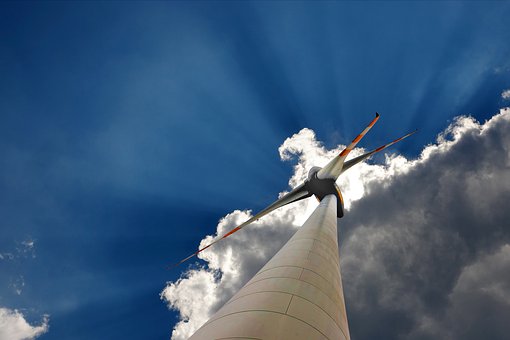
Tauron Polska Energia, one of the largest energy firms in Poland, is moving from fossil fuels to renewable sources of energy with the support of the European Bank for Reconstruction and Development (EBRD). The EBRD has invested PLN 240 million…
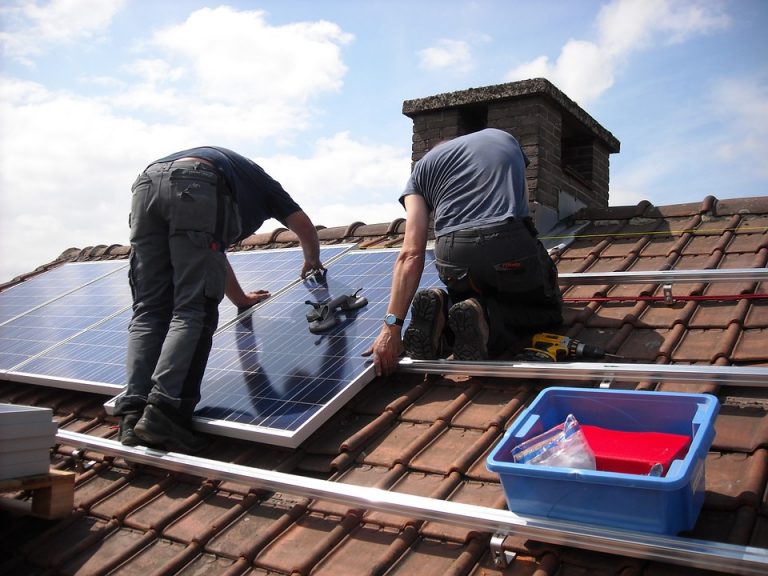
In 2019, impact investing was a $715 billion global market. Looking beyond the pure financial heft of the market, the number accurately reflects the growing reality among corporates and investors who are seeking to deliver strong financial returns for their…

Cities have always had to conform to their natural surroundings. Traditional Moroccan housing was designed with open air courtyards to help with ventilation in the dry and hot climate. While in Iceland, turf houses covered in grass— the original “green…
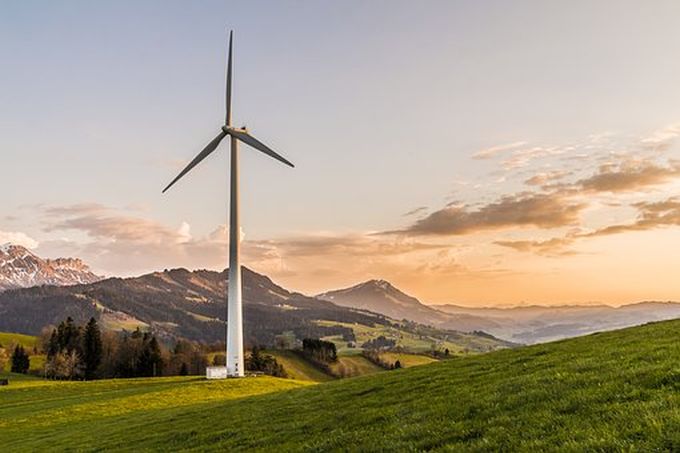
Wind turbines have increased in size and quantity to meet clean energy capacity demands Modern wind power converts the kinetic (movement) energy from wind into mechanical energy. This happens through the turning of large fiberglass blades, which then spin a…

Despite the pressure and disruption inflicted on urban centres and their citizens by the COVID-19 pandemic, cities remain vitally important parts of the global human ecosystem. To help mark World Cities Day 2020 on 31 October, which this year takes…
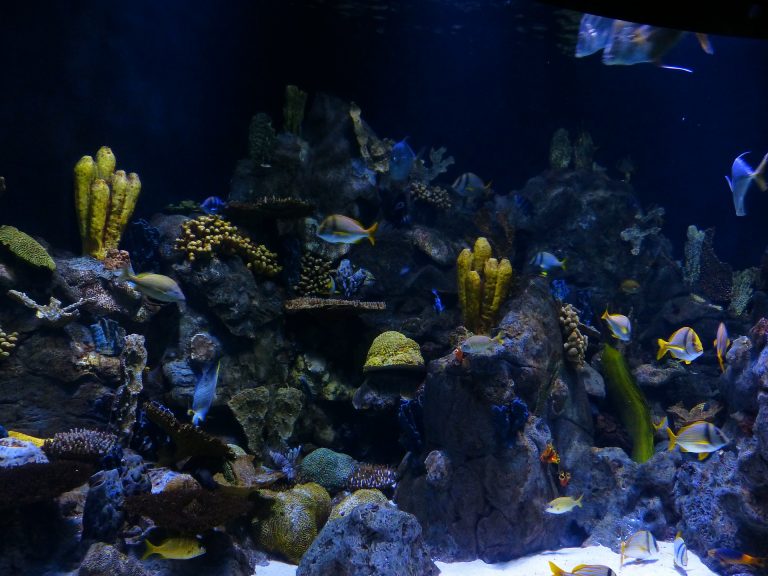
A new digital platform to help dive professionals protect fragile coral reefs has been shortlisted as a finalist in the 2020 Con X Tech Prize, an award that provides seed funding to innovative conservation projects. The Green Fins Global Hub…

“Innovative finance” is the newest buzzword used to find ways to channel money – especially private money – to nature-based solutions. But bringing nature and private investors together in a sustainable and lasting way is easier said than done. I…