

Newsletter Subscribe
Enter your email address below and subscribe to our newsletter

Enter your email address below and subscribe to our newsletter
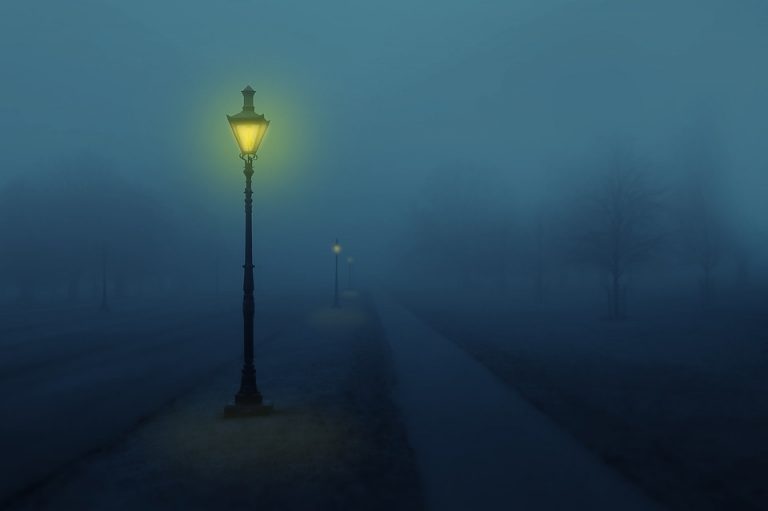
Light pollution is a significant but overlooked driver of the rapid decline of insect populations, according to the most comprehensive review of the scientific evidence to date. Artificial light at night can affect every aspect of insects’ lives, the researchers…

Harmonization of environmental and climate change regulations is a long-term process. It is known that these regulations are continually changing and improving at EU level, as well as a lack of administrative capacity in this area. All this additionally complicates…
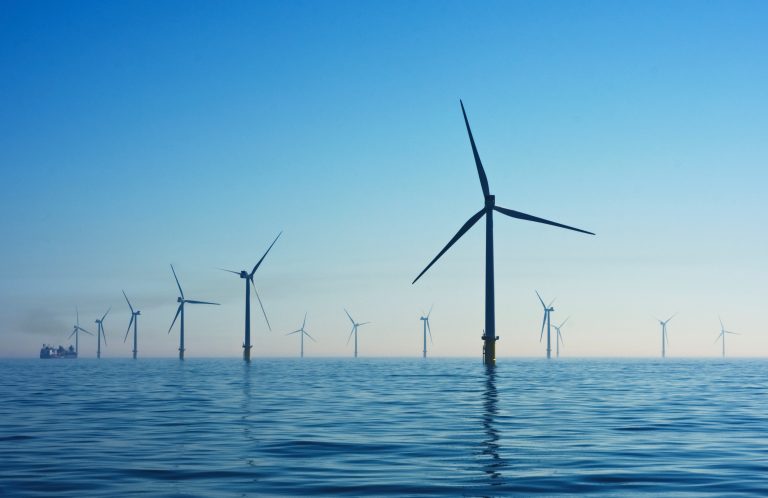
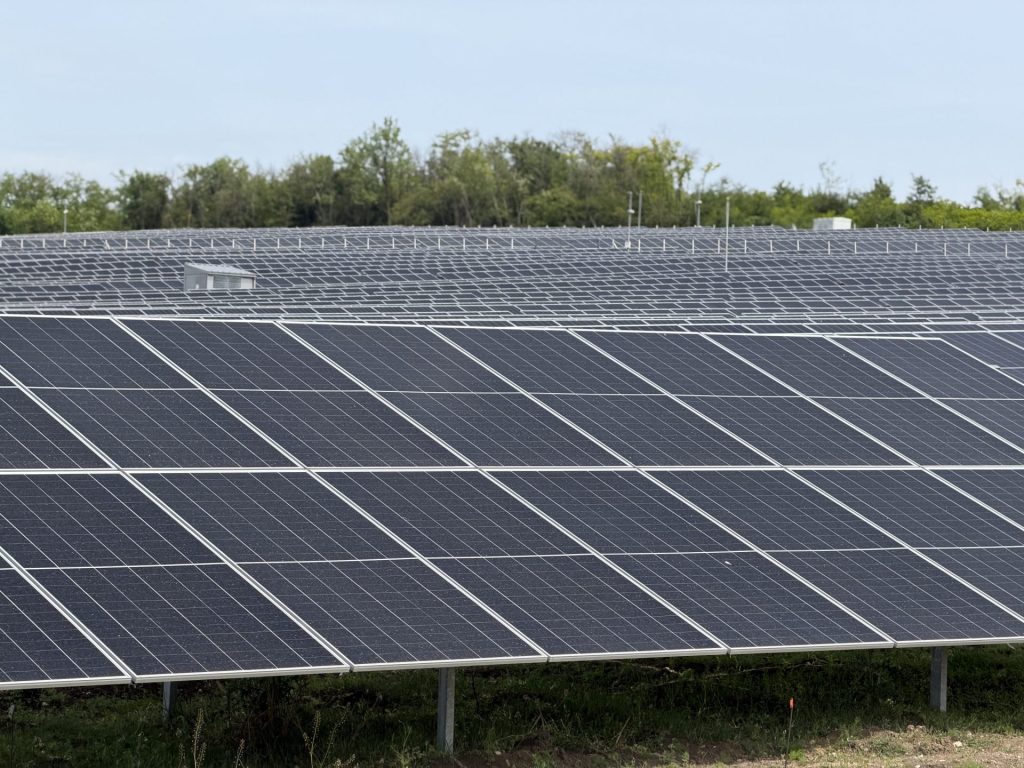
The global climate crisis could lead to more renewable electricity being generated by spurring faster wind speeds for the world’s growing number of windfarms, according to research. Scientists have discovered that the world’s shifting ocean circulation patterns may have triggered…
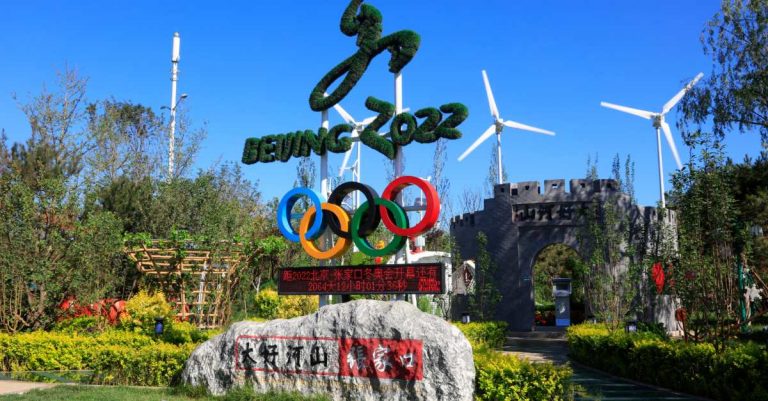
The Chinese city of Zhangjiakou has stepped up its efforts to deploy renewable energy systems, a new report by the International Renewable Energy Agency (IRENA) finds. The Agency’s first ever roadmap 2050 for the city of Zhangjiakou sets an example…
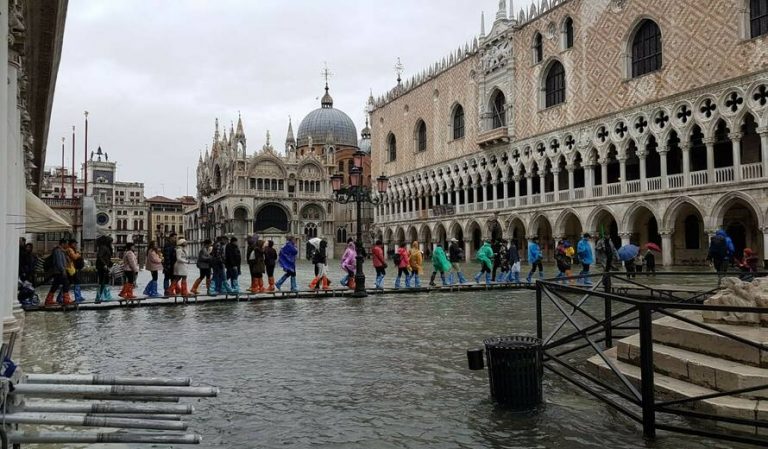
The UNESCO World Heritage Centre is closely monitoring the state of conservation of the World Heritage site of Venice and its Lagoon. Inscribed on the World Heritage List in 1987, Venice faces several threats from overtourism, damage caused by a…
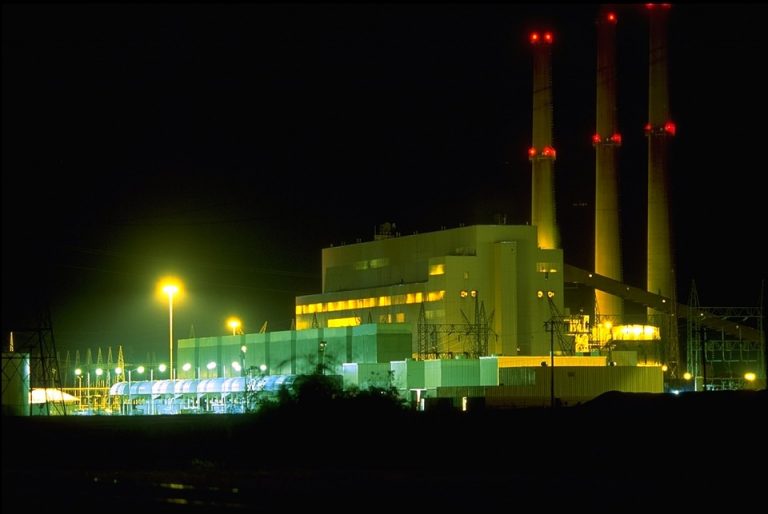
The European Investment Bank has agreed to phase out its multibillion-euro financing for fossil fuels within the next two years to become the world’s first ‘“climate bank”. The bank will end its financing of oil, gas, and coal projects after…
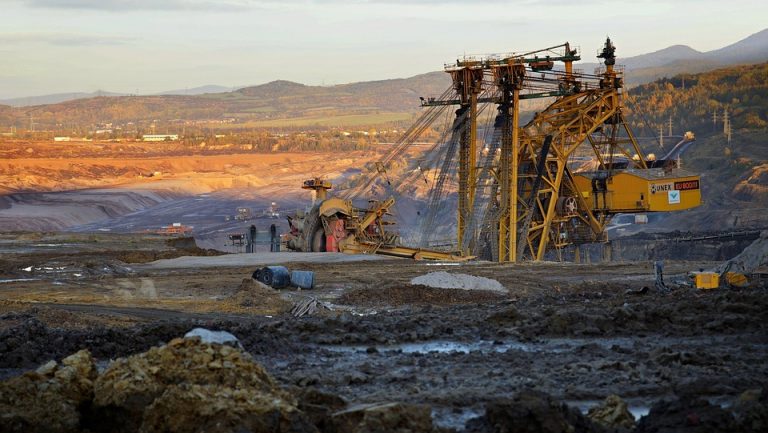
The methane emissions leaking from the world’s coalmines could be stoking the global climate crisis at the same rate as the shipping and aviation industries combined. Coalmines are belching millions of tonnes of methane into the atmosphere unchecked, because policymakers…