


The health benefits of cycling and walking outweigh the harmful effects of air pollution, a study has suggested. Air pollution contributes to 40,000 early deaths each year in the UK and we gulp in more of it when we exercise. On the other hand, regular exercise reduces the risk of diabetes, heart disease, and several cancers. The University of Cambridge study showed that even in cities with high pollution levels, the benefits outweigh the risks. The researchers used computer simulations to compare data on different kinds of physical activity and different levels of air pollution in locations around the world. It found that for an average air pollution concentration in an urban area, the tipping point – when the risks begin to outweigh the benefits – comes after a huge seven hours of cycling or 16 hours of walking a day. It is far beyond what most people would ever do. “Even in Delhi, one of the most polluted cities in the world – with pollution levels 10 times those in London – people would need to cycle over five hours per week before the pollution risks outweigh the health benefits,” said Dr Marko Tainio, the lead author of the study. He added: “We should remember, though, that a small minority of workers in the most polluted cities, such as bike messengers, may be exposed to levels of air pollution high enough to cancel out the health benefits of physical activity.” The study, published in Preventive Medicine, said exercise was always beneficial in London.
‘Action still needed’
The average air pollution level for cities around the globe is 22 micrograms per cubic metre, according to the World Health Organization (WHO). In London the air pollution level was recorded at 16 micrograms per cubic metre in 2011. Senior author Dr James Woodcock added: “Whilst this research demonstrates the benefits of physical activity in spite of air quality, it is not an argument for inaction in combating pollution. “It provides further support for investment in infrastructure to get people out of their cars and onto their feet or their bikes – which can itself reduce pollution levels at the same time as supporting physical activity.” The research was carried out by experts from the University of Cambridge’s Centre for Diet and Activity Research and Medical Research Council Epidemiology Unit, along with researchers from the University of East Anglia.
www.bbc.com


German Chancellor Angela Merkel and US President Barack Obama were among the first to experience a ground-breaking new smart sensor from ABB during their visit to the Hanover Fair on Monday.


The Paris Climate Change Agreement opens for signature on 22 April 2016 during a high-level ceremony convened by UN Secretary-General Ban Ki-moon in New York, marking an important international push on the way to the agreement’s timely entry into force. Over 130 countries have confirmed to United Nations headquarters that they will attend the signing ceremony, including some 60 world leaders, amongst them President Francois Hollande of France. The event will also be attended by the President of COP21, France’s Segolene Royal, and the Executive Secretary of the UNFCCC, Christiana Figueres.

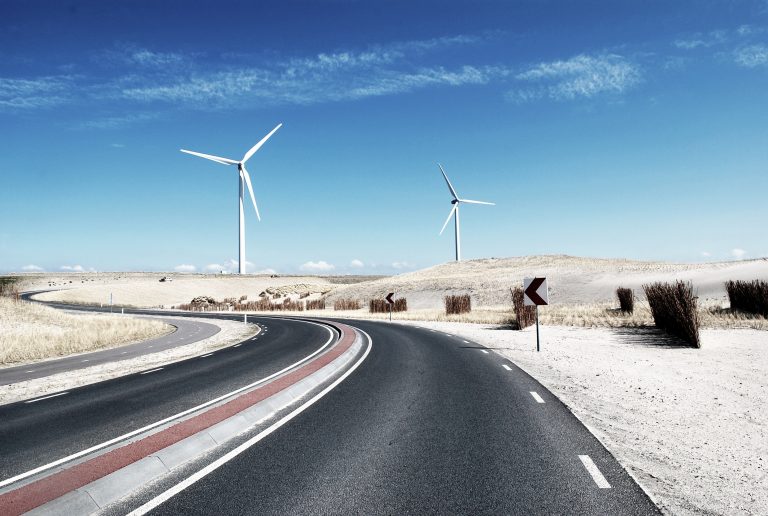
2015 was a record year for both wind and solar due in large part to a continued decline in technology costs. Wind power grew 63 GW (17%) driven by declines in onshore turbine prices of up to 45% since 2010. Solar capacity increased 47 GW (26%) thanks to price drops of up to 80% for solar photovoltaic modules in the same time period. Hydropower capacity increased by 35 GW (3%), while both bioenergy and geothermal energy capacity increased 5% each (5 GW and 1 GW respectively). Overall, capacity has increased by roughly one-third over the last five years, with most of this growth coming from new installations of wind and solar energy. In terms of regional distribution, the fastest growth in renewable generation capacity came in developing countries.
The industrial zone of Novo Pračno will be the site of two cogeneration facilities of 5 MW each. Sisak’s municipal website said a contract granting the right for construction was signed with Monalp Biomass Sisak d.o.o., registered in Croatian capital Zagreb. The local council approved the proposition for the projects taking up a total of 43,000 square metres. The investor company was founded by Turkish-based Senay Turizm Ve Ticaret AŞ, based in Turkey, according to portal Sisak.info, which cited data from the official register. The firm plans biomass-fuelled power plants in Gospić and Donji Lapac and a geothermal facility in Slatina.


The European Bank for Reconstruction and Development will conduct a final review of the project for the restructuring of Albanian Power Corporation (KESH sh. a.) and the energy sector of Albania in general with focus on sector management and operational efficiency. The international financing institution’s project summary document said loan proceeds will be used to refinance and lengthen the tenors of short-term sovereign guaranteed overdrafts which KESH has entered into with commercial banks on an emergency basis and require annual reapproval, perpetuating a liquidity crisis as well as uncertainty and instability. The sovereign guaranteed loan of EUR 218 million will be divided into two tranches. Involvement of commercial banks for co-financing will be explored, mainly for the second tranche. The full amount of the proceeds will be applied to refinancing short-term debt. The loans were necessary to alleviate critical cash shortages created by hydrology conditions and sector organization, the document adds. The reforms aim to include KESH’s corporate governance, market practices and regional trade. The refinancing of the balance sheet should lengthen tenors and relieve the utility of urgent liquidity concerns, EBRD stated.


The International Energy Agency (IEA) and Thailand today launched a centre to consolidate high-quality, accurate and comprehensive energy information. Thailand’s Vice Minister of Energy, Nattipon Kanokchot, and IEA Executive Director Fatih Birol unveiled the Thailand Energy Information Centre in Bangkok during an inauguration ceremony attended by high-level government officials, industry executives and members of the diplomatic corps. During the event, deep gratitude was expressed for the IEA’s strong support for Thailand. While Thailand’s energy data are considered by the IEA to be among the best in Southeast Asia, further efforts through the centre to improve energy data and information will facilitate better energy policy making in the country. To connect the work of the centre to the IEA’s efforts to enhance global co-operation on energy data and statistics, the IEA’s Chief Statistician will take an advisory role as a member of the centre’s steering committee. “I am delighted that Thailand – which became an Associate member country of the IEA in 2015 – invited us to be a partner in the Thailand Energy Information Centre,” said Dr. Birol.