

Newsletter Subscribe
Enter your email address below and subscribe to our newsletter
Enter your email address below and subscribe to our newsletter

At the beginning of May 2021, the preparation started for the 15th gathering of the states that signed the UN Convention on Biological Diversity CBD. The main topic was the development of a ten-year strategy for biological diversity protection after…
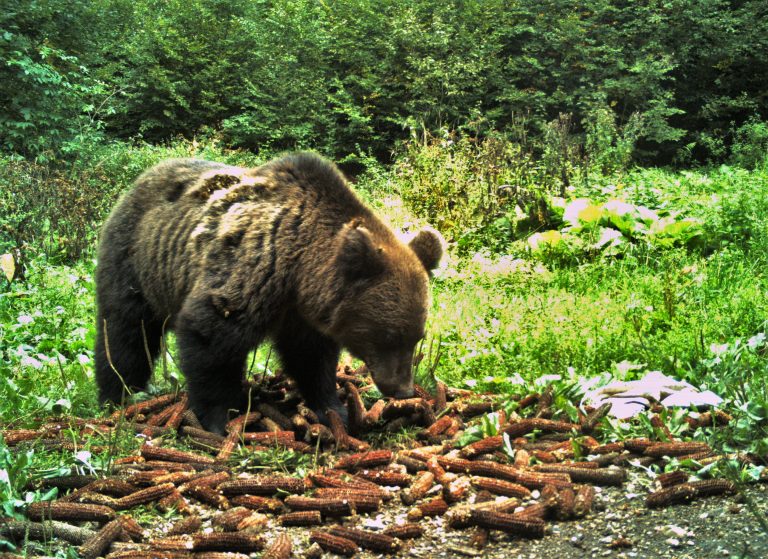
In order to highlight the importance and the real impact of crimes against nature and the environment, WWF launched a campaign – Wildlife Crimes are Wild Crimes against Life. Wildlife crimes, such as illegal killing, poisoning, trapping and illegal trade of species…
The Governor of the Council of Europe Development Bank (CEB), Rolf Wenzel, and Vice-Governor Tomáš Boček today met with representatives of the Slovene Export and Development Bank (SID Banka) to finalise a new loan worth 50 million euros, which is expected…
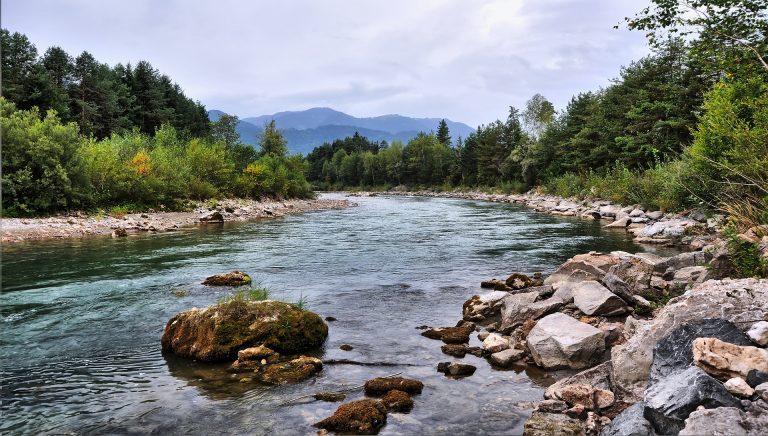
Vezišnica is one of the most important and biodiverse tributaries of the Ćehotina River, but today, it is only a shadow of its former self. Industrial pollution, untreated wastewater, and illegal barriers have negatively affected the once rich flora and…
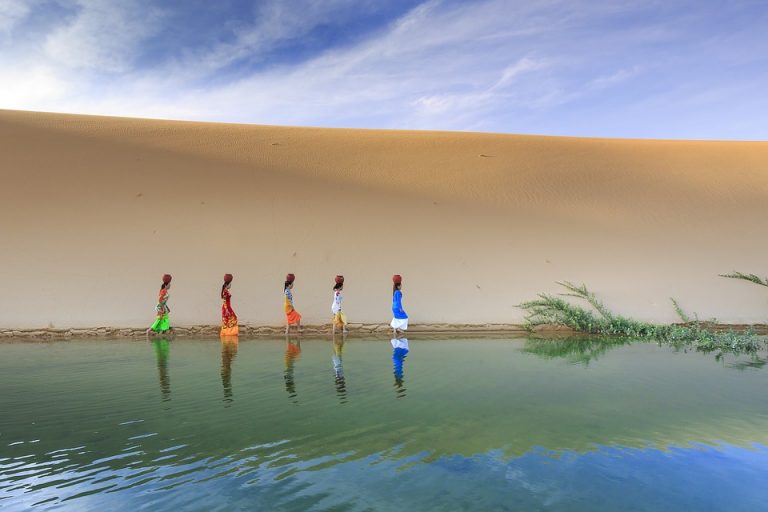
Changing precipitation patterns, rising temperatures and more extreme weather contributed to mounting food insecurity, poverty and displacement in Africa in 2020, compounding the socio-economic and health crisis triggered by the COVID-19 pandemic, according to a new multi-agency report coordinated by…
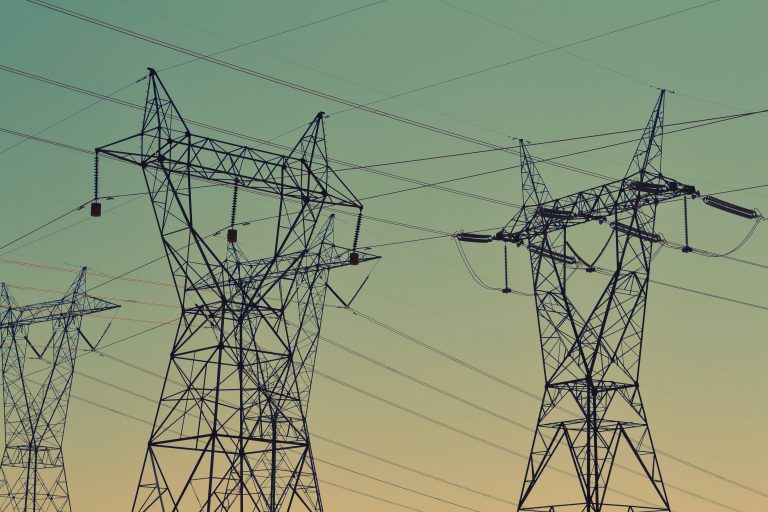
The Secretariat welcomes the start of the implementation of a day-ahead market in Montenegro. BELEN, the power exchange company of Montenegro responsible for the establishment of a national day-ahead market, signed today a Service Agreement with European Power Exchange EPEX…
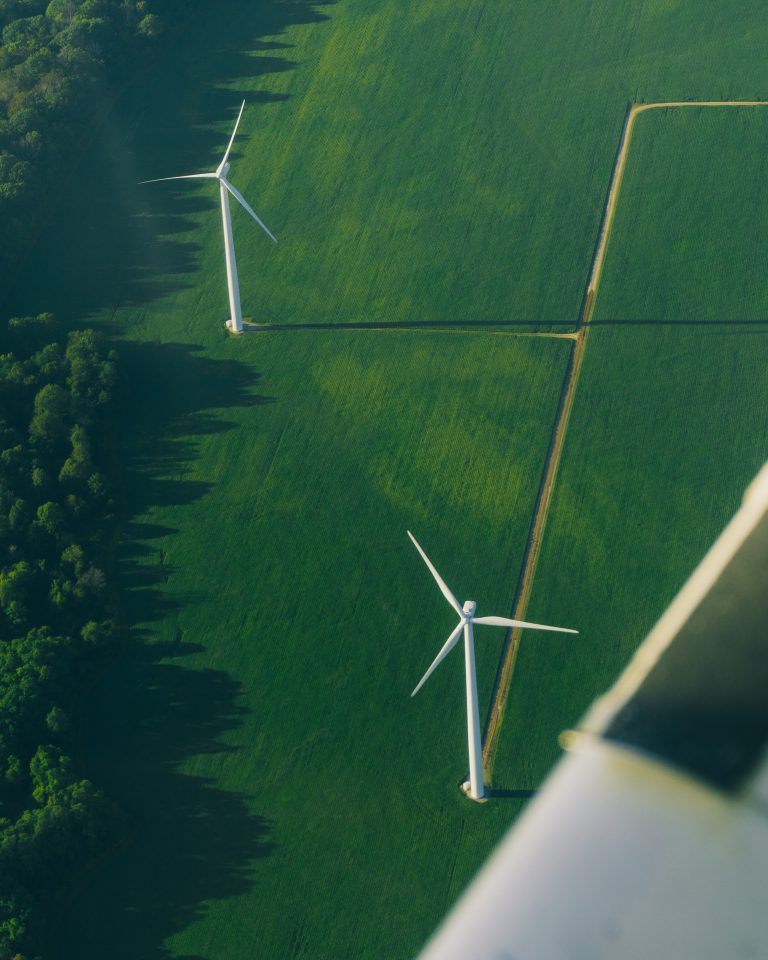
G7 members are well placed to fully decarbonise their electricity supply by 2035, which would accelerate the technological advances and infrastructure rollouts needed to lead global energy markets towards net zero emissions by 2050, according to a new report from…