
Newsletter Subscribe
Enter your email address below and subscribe to our newsletter


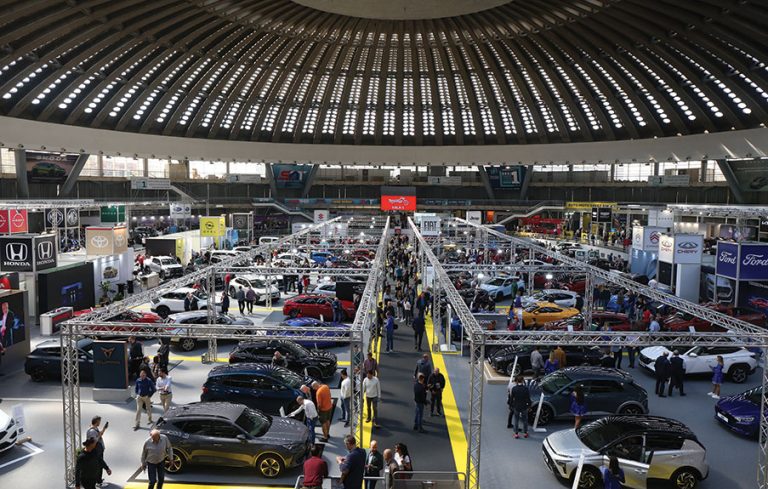
There are no unknowns when it comes to holding the DDOR BG Car Show 08 and the 16th Motopassion International Motorcycle Fair. This unique fair manifestation and the most significant annual event in Southeast Europe’s automotive and motorcycle industry sector…
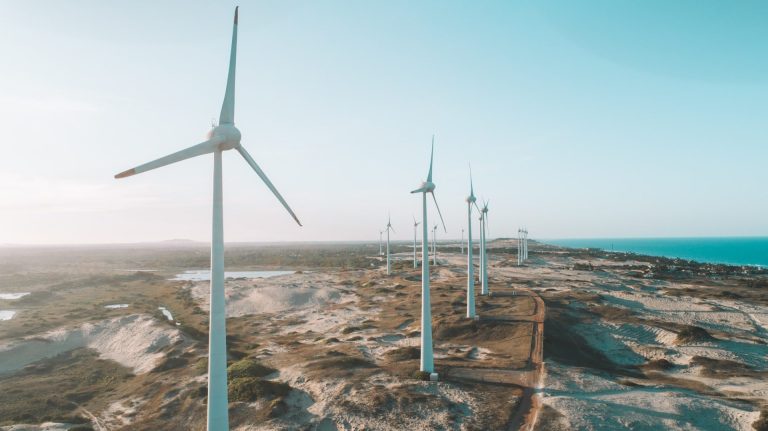
Although there was an increase in energy-related CO2 emissions in 2023, due to the large droughts that damaged hydropower plants, it was still a smaller increase compared to 2022. Smaller growth of global CO2 emissions has been achieved thanks to…
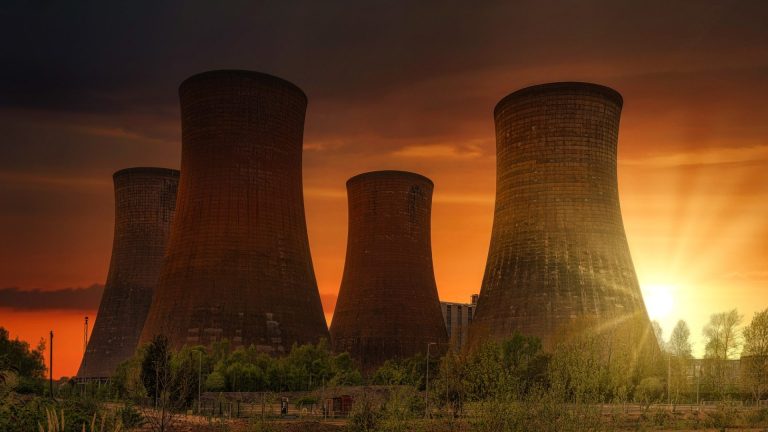
France is a country known for its nuclear reactors, which generate as much as 70 percent of the required electricity. In 2023, the country had 55 nuclear reactors. However, one nuclear power plant, on the Rhone River in the southeastern…
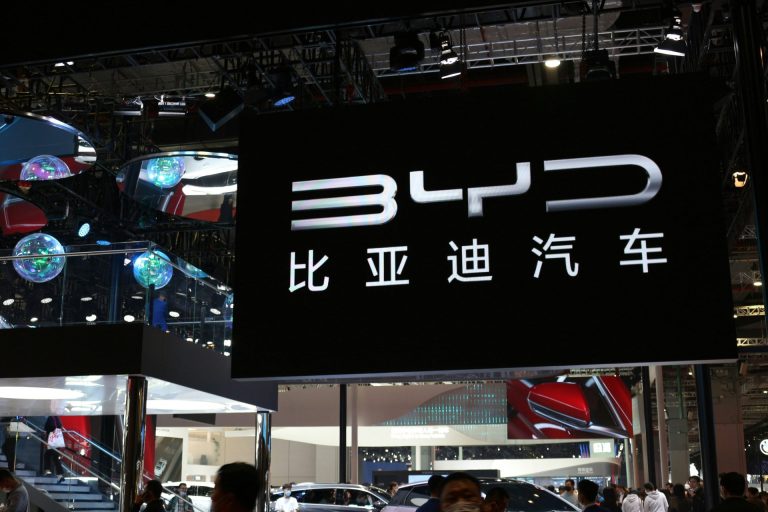
Electric cars are becoming increasingly present in the European Union market, with China positioning itself as one of the very important stakeholders in this market. While some economists warn of certain long-term consequences, other analysts consider this dynamic of market…
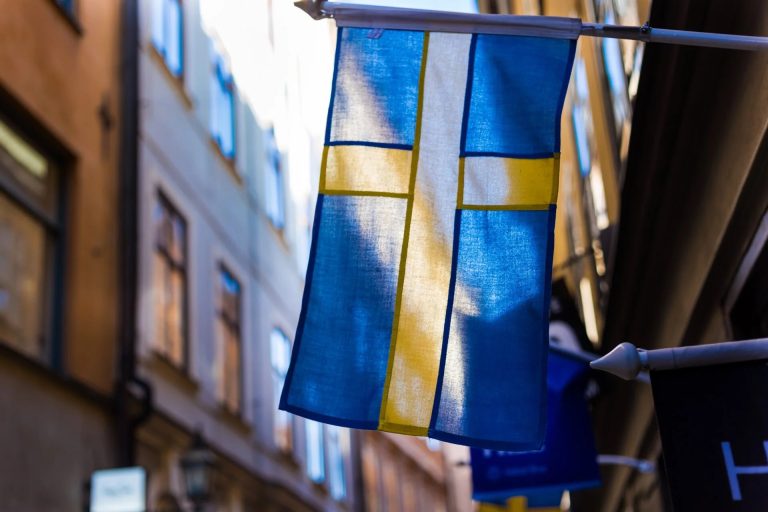
Sweden is considering lifting the ban on uranium mining, following an investigation by the Ministry of Climate and Economy to determine the changes that are needed when it comes to the law concerning uranium extraction. As there is an active…
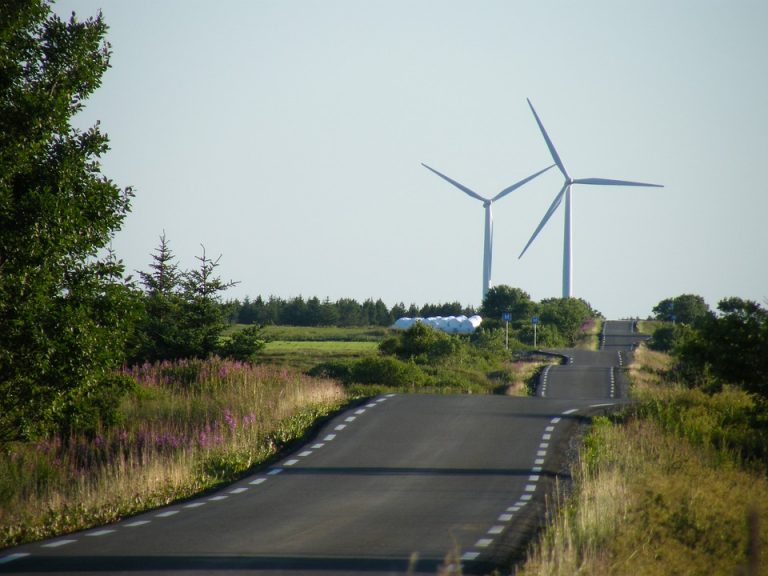
The relevant January data showed that renewable energy sources in Croatia were the dominant source of electricity production compared to non-renewable ones. As usual, hydropower plants had the biggest share in renewable energy – over 42 percent in January –…
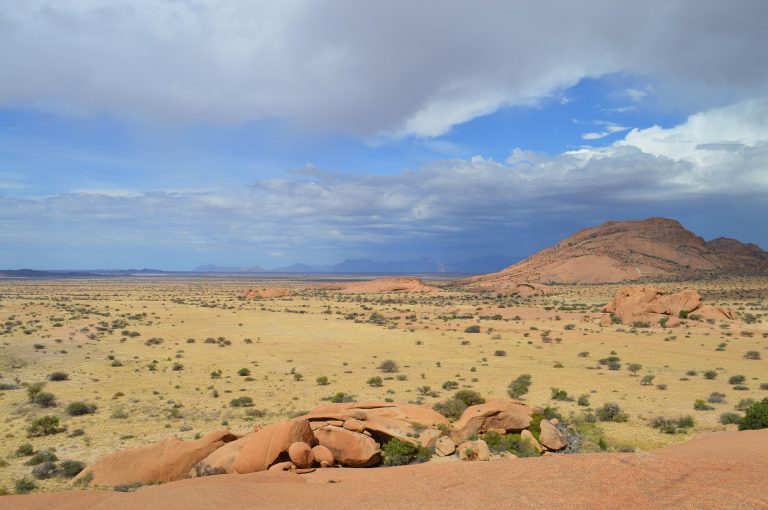
North Africa – Algeria, Egypt, Libya, Morocco, Tunisia, and Sudan – faces significant challenges due to climate change, which increasingly disrupts the region’s economies that rely on agriculture, fishery and tourism. Climate mitigation efforts, including renewable energy deployment is therefore…