

Newsletter Subscribe
Enter your email address below and subscribe to our newsletter


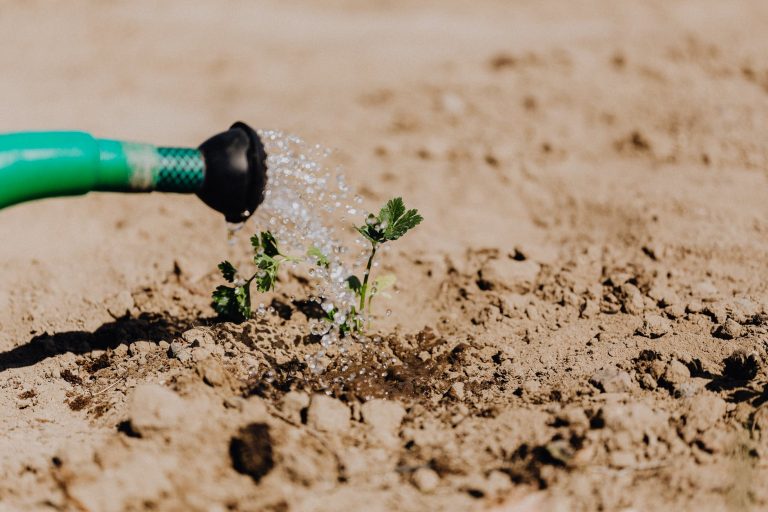
Agriculture is a major user of freshwater withdrawals Irrigated crops, livestock, fisheries, aquaculture and forestry, account for roughly 70 percent of total freshwater withdrawals globally and for over 90 percent in the majority of Least Developed Countries, of which almost…
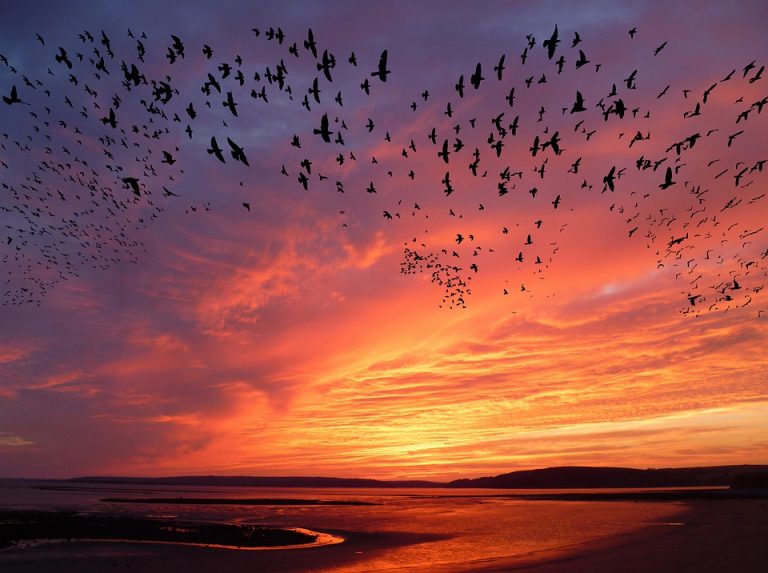
A mass extinction is a short period of geological time in which a high percentage of biodiversity, or distinct species—bacteria, fungi, plants, mammals, birds, reptiles, amphibians, fish, invertebrates—dies out. In this definition, it’s important to note that, in geological time, a…
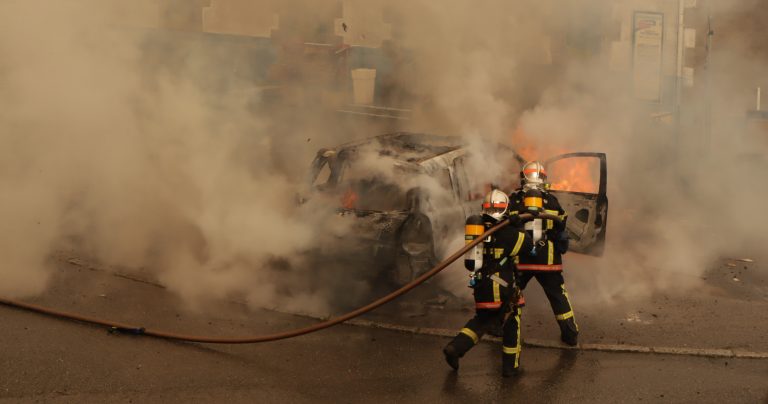
Whether it’s the Australian coast or the rainforests of Brazil, unrestrained wildfires – shrouded by black smoke and punctuated by the crackle of burning vegetation – have laid waste to some of the world’s most-iconic landscapes in recent years. These…
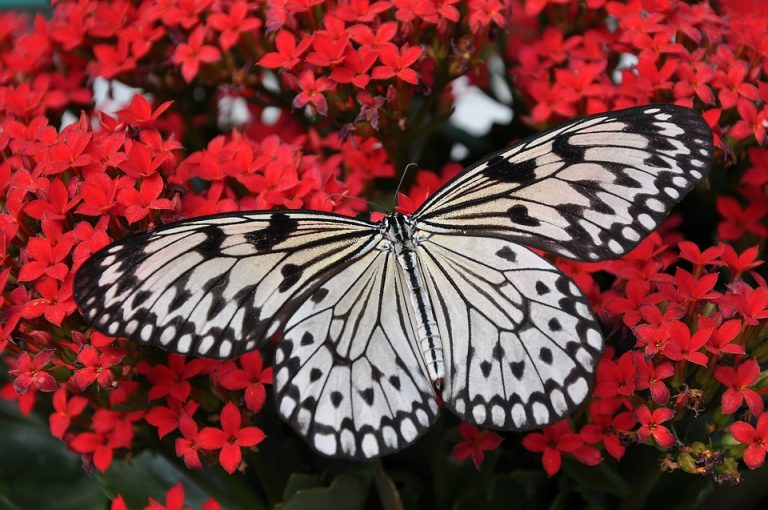
Greenpeace calls for action to increase land and sea protection to at least 30 per cent by 2030 with clear funding and implementation, and to recognize and strengthen the rights of Indigenous Peoples and local communities, as delegates gather at…
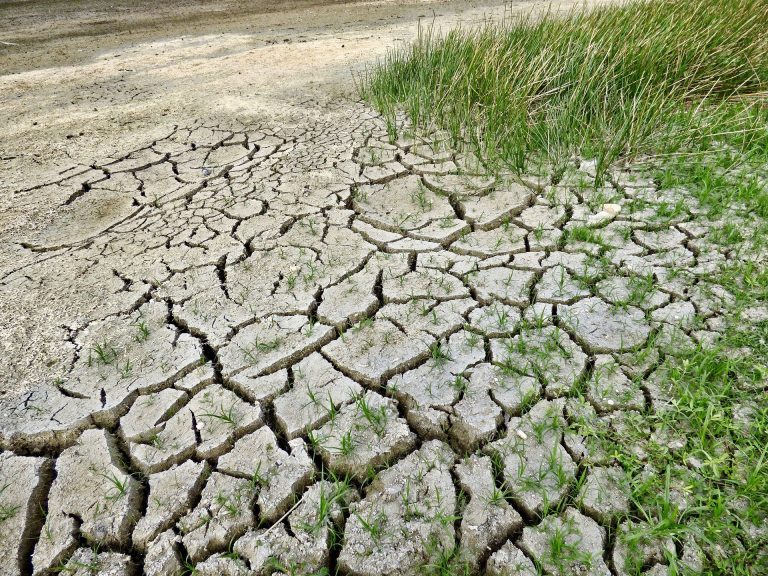
Human-induced climate change is causing dangerous and widespread disruption in nature and affecting the lives of billions of people around the world, despite efforts to reduce the risks. People and ecosystems least able to cope are being hardest hit, said…
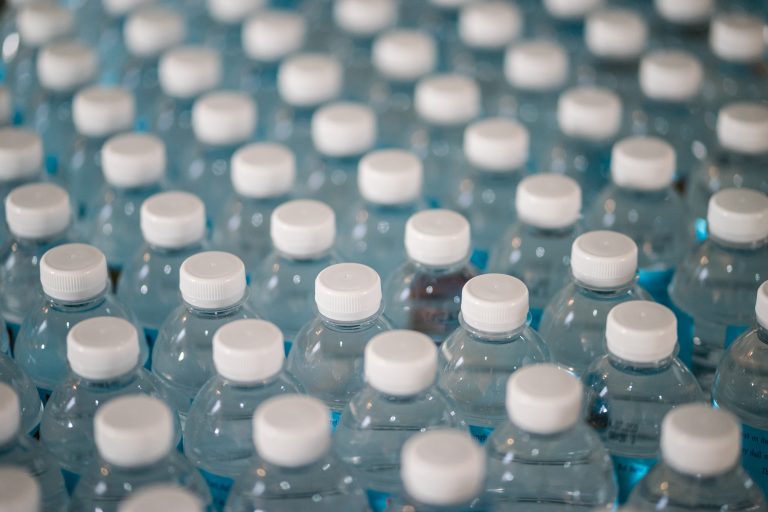
Reducing plastic use seems like one of the easiest environmental actions people can take. We re-use bags, put takeout coffee in our own mugs or recycle our plastic bottles, and feel good about ourselves. But it is not so simple.…
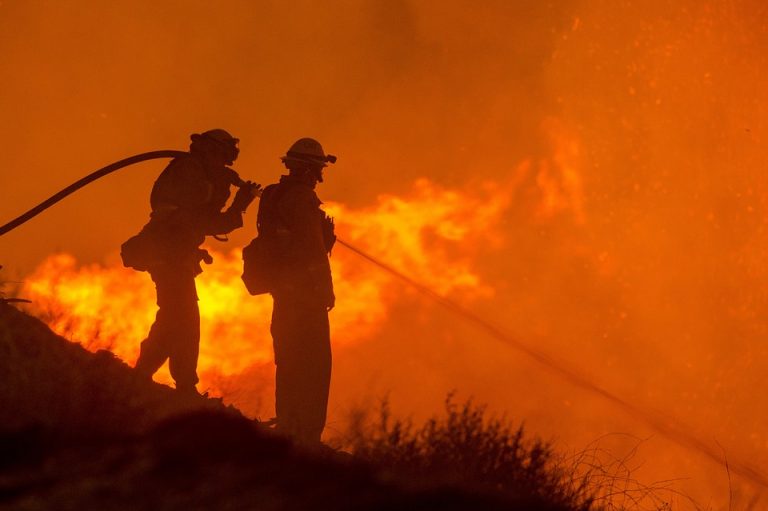
Climate change and land-use change are projected to make wildfires more frequent and intense, with a global increase of extreme fires of up to 14 per cent by 2030, 30 per cent by the end of 2050 and 50 per…